Struggling to find a reliable supplier for your company's logo mugs? You worry about bad quality, missed deadlines, and a final product that doesn't represent your brand well.
The best "place" to get custom logo mugs depends on your specific needs, like order volume and quality standards. It's about matching your project to the right supplier type, whether that's a direct factory for large orders, a trading company, or a vetted online vendor.
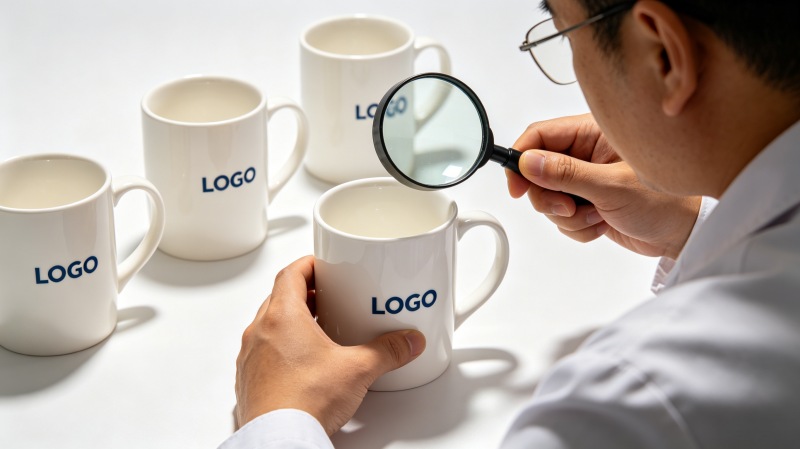
I've been exporting ceramic mugs for 15 years, and I've talked to hundreds of professional buyers. A common question I hear is, "Where do I go to find mugs?" But experienced buyers know the real question isn't "where," it's "how." How do you vet a partner to ensure they can deliver on your promises?
Finding the right supplier is a process of reducing risk. It's about making sure your brand's reputation is safe in their hands. We need to shift the focus from a simple search to a smart evaluation. This guide will walk you through how we see professional buyers approach this problem successfully.
What Type of Supplier Is Right For Your Project?
Choosing a supplier feels like a gamble. You see so many options, from giant factories to small online shops. Pick the wrong one, and you could face high prices or terrible service.
For large orders over 50,000 pieces, go direct to a factory. For mid-size orders, an experienced trading company or a factory can work. For small orders under 5,000, specialized traders or carefully vetted online vendors are often your best bet to get the attention you need.
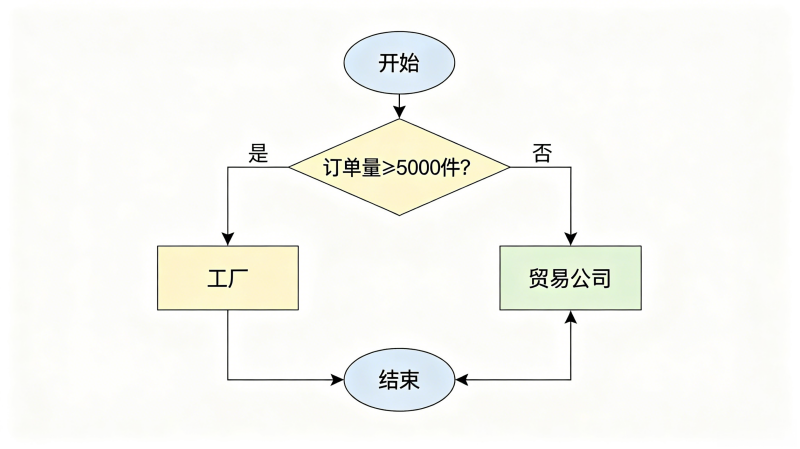
Over the years, we've seen buyers with different needs. The "best" supplier for a 100,000-mug order for a national supermarket is completely different from the best supplier for a 500-mug order for a corporate event. The key is to match the supplier's business model to your project's scale. Big factories are built for volume, which means lower prices but higher minimum order quantities (MOQs). Trading companies offer more flexibility and can combine orders, but their price will be slightly higher. Understanding this from the start saves everyone a lot of time.
How to Match Supplier to Order Size
Let's break down the pros and cons. We deal with clients who come from all these channels, and this is what we've learned.
| Supplier Type | Best For (Order Size) | Pros | Cons |
|---|---|---|---|
| Direct Factory | 50,000+ units | Best pricing, direct control over production, deep product knowledge. | High MOQs, less flexible, communication can sometimes be slower. |
| Trading Company | 5,000 - 50,000 units | Good flexibility, manages logistics, can offer wider product variety. | Higher price per unit, you are one step removed from production. |
| Online Platform Vendor | < 5,000 units | Low MOQs, fast communication, easy to start. | Highest price, variable quality, requires intense vetting. |
A common mistake we see is a small business approaching a huge factory for a 500-piece order. While we want to help, our production lines are optimized for tens of thousands of units. The cost to set up a line for just 500 mugs makes the price per mug too high for the buyer. It's not that we don't want the business; it's that our structure isn't the right fit for that project. Choosing the right channel from the start is the most efficient step you can take.
How Can You Judge Mug Quality Before Placing a Huge Order?
You've seen a beautiful sample, but a fear lingers. Will the 20,000 mugs you order look just as good? This concern is valid, but you can reduce the risk with smart checks.
Don't rely on photos. Get a physical sample to feel the weight, check the glaze, and inspect the logo. Crucially, ask for material specifications (like AB-grade porcelain) and what quality control standards (like ISO 9001) the factory follows during production.

Price is what buyers often focus on first, but it tells you very little about the final product. A ten-cent difference in price could mean the difference between a mug that lasts for years and one that chips in the first wash. What experienced importers always ask about are the details that create quality. They know that these details are what prevent customer complaints and protect their brand's image down the line. A mug with your logo on it is a physical piece of your brand, and its quality speaks volumes.
The Details That Define Quality
When we discuss a new project with a client, we go beyond price. We talk about the components that build a high-quality, durable mug that they can be proud of.
1. The Ceramic Material
The type of clay used determines the mug's durability, weight, and feel.
- Stoneware: Heavier, more rustic feel. Great for a cozy, coffee-shop vibe.
- Porcelain: Stronger, thinner, and has a more premium feel. It's a fantastic choice for corporate branding. We often use high-grade porcelain for our supermarket clients because it withstands heavy use.
- New Bone China: A vegan-friendly alternative to Bone China. It's lightweight, durable, and has a delicate, translucent quality.
2. The Logo Application
How your logo is put on the mug is critical for its lifespan.
- Decal Printing: This is our most common method for complex, multi-color logos. We print the logo onto special paper, apply it to the mug by hand, and then fire the mug again at a high temperature. This process melts the logo into the glaze, making it permanent and dishwasher-safe. It's the best way to ensure color accuracy and durability.
- Direct Printing: This method is faster and can be cheaper for simple, one-color logos. However, it may not be as durable over hundreds of dishwasher cycles compared to a high-fired decal.
When a client asks for the "cheapest" way, we always explain this trade-off. Saving a few cents per mug is not worth it if the logo fades after a few months.
What Questions Separate a Good Supplier From a Bad One?
Every supplier's website says they offer "great quality" and "excellent service." How can you tell who is telling the truth? It all comes down to the questions you ask before you sign anything.
Go beyond the price. Ask for their business license and certifications like BSCI or ISO 9001. A powerful question is: "What is your quality control process for ensuring logo alignment and color consistency across a 10,000-piece order?" Their answer tells you everything.
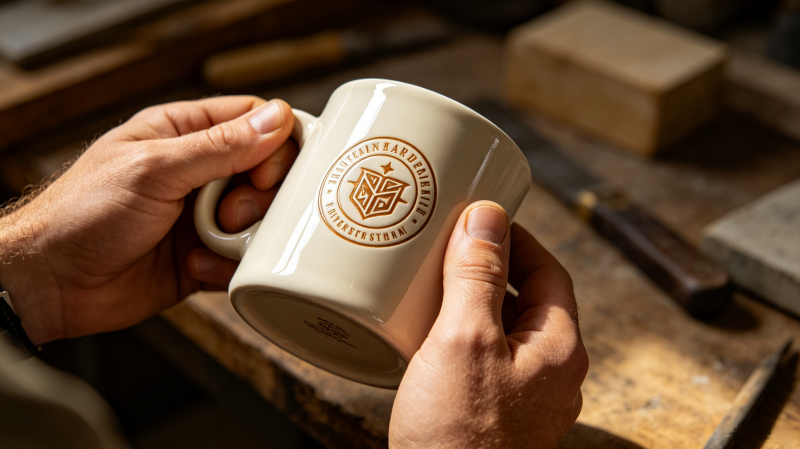
A good supplier welcomes detailed questions. They see it as the start of a professional partnership, not an interrogation. A supplier who gives vague answers or gets defensive is a major red flag. In my experience, buyers who get the best results are the ones who do their homework and come prepared with a list of specific, process-oriented questions. They are not just buying a product; they are qualifying a partner. These questions help them understand if a supplier's systems are robust enough to handle their business.
Your Vetting Checklist
Use these questions to dig deeper and find a partner you can trust. A professional supplier will have ready answers for all of these.
1. Questions About Their Business & Certifications
- "Can you please provide your business registration and export license?" (This confirms they are a legitimate company.)
- "Can you share your latest BSCI and ISO 9001 audit reports?"
- Why this matters: A BSCI (Business Social Compliance Initiative) audit shows they treat their workers ethically, which is crucial for your brand's reputation. An ISO 9001 certification proves they have a documented quality management system in place. As a factory with both, I can tell you these are not easy to get or maintain. They show a serious commitment to professionalism.
2. Questions About Their Experience & Expertise
- "Can you show me a case study or examples of a similar project you did for a client in my industry (e.g., retail, corporate gifts)?"
- "What is your primary export market?" (If they frequently ship to your country, they will already understand your region's customs procedures and compliance standards, like FDA or LFGB.)
3. Questions About Their Process & Quality Control
- "What is your standard procedure for handling a report of defects after we receive the shipment?" (Their answer reveals their commitment to after-sales service and taking responsibility.)
- "For the logo, what is your tolerance for placement variation? How do you check this during production?" (This shows you care about the details and forces them to explain their actual QC, not just say "we check it.")
An experienced buyer once asked us that last question. We were able to walk him through our process, showing him the jigs we use for alignment and our 3-stage inspection process. That conversation built a huge amount of trust before he ever placed an order.
Conclusion
Finding the right custom mug supplier is about smart vetting, not just searching. Ask detailed questions about their process, quality, and compliance to protect your brand and your investment.