leading paragraph: You need to order custom mugs, but the printing options are confusing. Choosing the wrong one means high costs or poor quality, putting your project and budget at risk.
snippet paragraph: The best mug printing method depends entirely on your specific goals. For large volume orders with simple logos, screen printing or decals are most cost-effective. For small batches with complex, full-color photos, dye-sublimation is the ideal choice. The key is to match the method to your design, quantity, and durability needs.
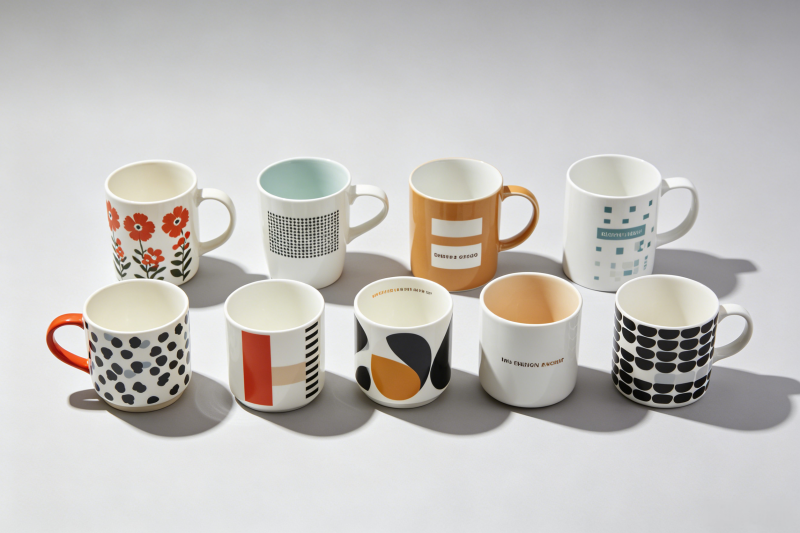
Transition Paragraph: As a mug manufacturer with over 15 years of export experience, this is one of the most common questions we get from our wholesale clients. Everyone wants to know the "best" way to print a logo. But the truth is, the "best" method for a massive retail order is totally different from the "best" method for a small batch of high-end corporate gifts. It’s all about a series of trade-offs. So, let’s walk through the main options from a producer's point of view to help you make a smarter sourcing decision.
For Bulk Orders, Should I Choose Screen Printing or Decal Printing?
leading paragraph: You have a big order of 5,000 mugs and need the lowest possible cost per unit. But you're worried about the logo fading after a few washes. How do you balance price and quality?
snippet paragraph: Screen printing is often cheaper for simple, one or two-color designs on very large runs. However, decal printing, especially when kiln-fired, costs only slightly more but provides far superior durability and allows for much more complex, multi-color designs, offering a better long-term value.
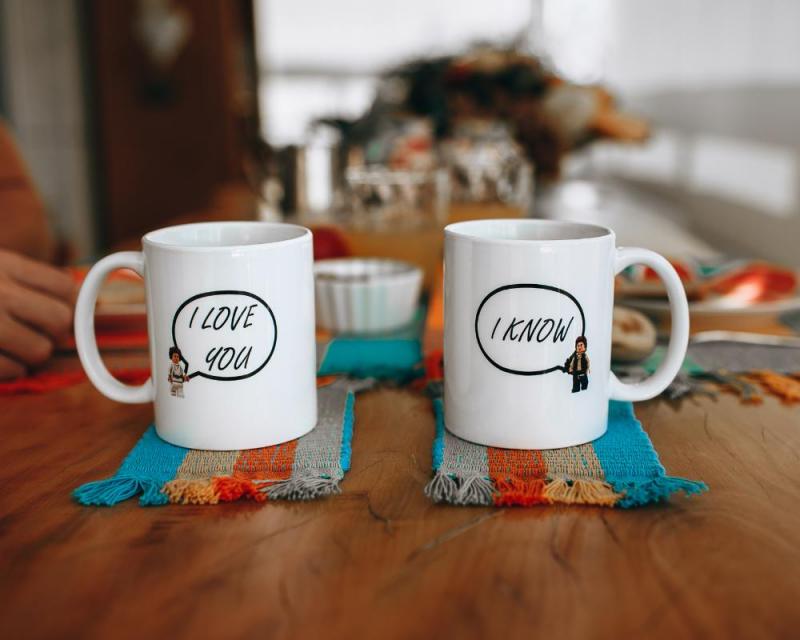
Dive deeper Paragraph: Let's break this down from the factory floor. Screen printing is like using a very precise stencil. We create a mesh screen for each color in your design, and then we push ink through the screen directly onto the mug. It's fast and incredibly efficient for simple designs, which is why the cost per unit drops so low on high-volume orders. On the other hand, decal printing is more like applying a high-tech temporary tattoo. Your design is printed onto special decal paper, which is then carefully applied to the mug by hand. The real magic happens next: the mug goes into a kiln and is fired at a high temperature. This process essentially melts the design into the mug's glaze, making it permanent. It won't scratch off and is completely dishwasher and microwave safe. This is the method most major retail brands use.
Here’s a simple table to help you decide:
| Feature | Screen Printing | Kiln-Fired Decal Printing |
|---|---|---|
| Best For | Simple, 1-2 color logos | Multi-color, complex, full-wrap designs |
| MOQ | High (Typically 1,000+ units) | High (Typically 500+ units) |
| Cost Per Unit | Very Low | Low |
| Durability | Good (Dishwasher safe but can scratch over time) | Excellent (Permanent, dishwasher & microwave safe) |
| Design Detail | Limited | Very High |
| Lead Time | Shorter | Longer (due to kiln firing) |
From our experience, the main trade-off is speed vs. permanence. If you're a wholesaler supplying a promotional giveaway where cost is the absolute top priority, screen printing is perfect. But if you're supplying a department store or a client who expects quality, the premium finish of a fired decal is worth the small extra investment.
What's the Best Method for Small Batches or Photographic Designs?
leading paragraph: You want to offer personalized mugs with customers' photos or need a small batch for an event. But you can't possibly meet the high Minimum Order Quantity (MOQ) of traditional methods.
snippet paragraph: For small runs or photographic prints, dye-sublimation is your best bet. It uses heat to infuse ink directly into a special coating on the mug, creating vibrant, permanent, full-color images. This method has virtually no setup cost, making it perfect for orders from one to a few hundred mugs.
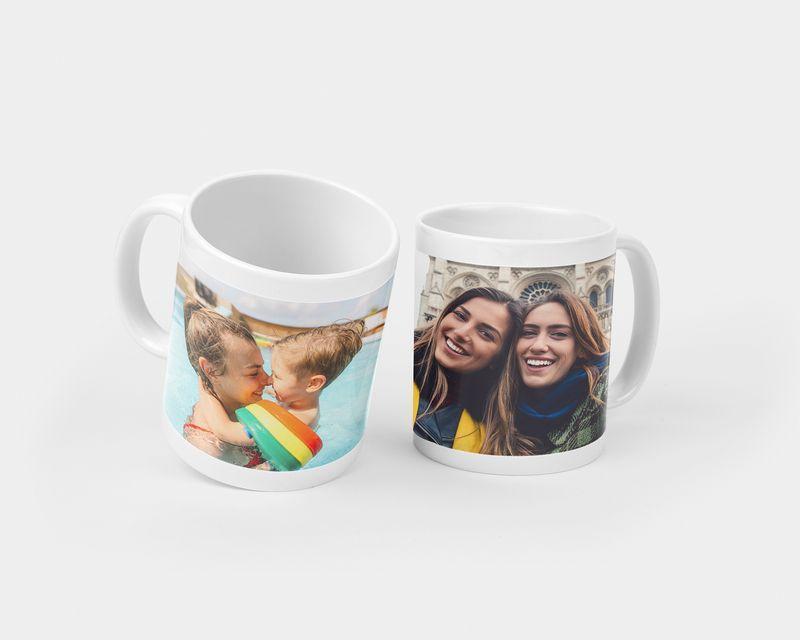
Dive deeper Paragraph: This is where modern technology really shines. Unlike screen printing or decals, sublimation doesn't place ink on top of the mug's surface. Instead, it uses special ink and extreme heat to turn the design into a gas. This gas then permeates a special polymer coating on the mug, and as it cools, it turns back into a solid that's permanently locked inside the surface. The result is a perfectly smooth finish with incredibly bright, vivid colors that won't peel or crack. Another similar technology is Digital (UV) Printing, which uses a specialized printer to spray ink onto the mug and then instantly cures it with UV light.
We see our clients use these methods for e-commerce stores, print-on-demand services, and urgent corporate orders. The cost per mug is definitely higher than bulk methods. But because there are no screens or decals to prepare, the setup cost is zero. You can profitably order 50 mugs for an event or even just one personalized gift. The main trade-off is durability versus flexibility. While sublimation is very durable for household use, it isn't quite as scratch-proof as a kiln-fired decal against rough, industrial use. Always ask your supplier for samples to test.
Here’s a quick comparison:
| Feature | Dye-Sublimation | Digital (UV) Printing |
|---|---|---|
| Best For | Photos, personalization, low MOQ | Full-color graphics, complex designs on various surfaces |
| MOQ | Extremely Low (can be just 1) | Low (can be 10-20) |
| Cost Per Unit | High | Medium to High |
| Durability | Very Good (Dishwasher safe, but not industrial) | Good (Varies based on ink and process) |
| Feel | Perfectly smooth surface | Sometimes a slightly raised texture |
| Mug Type | Must have a special polyester coating | Can print on a wider variety of materials |
Is There a Way to Brand Mugs Without Using Ink?
leading paragraph: You want your brand's mugs to feel different and more premium. Printed logos can sometimes look temporary or wear off, but you want a mark that feels permanent and high-end.
snippet paragraph: Yes, absolutely. For a truly premium and permanent effect, consider laser engraving or embossing. These methods alter the surface of the mug itself, creating a tactile, single-tone design that communicates quality and sophistication in a way that ink simply cannot.
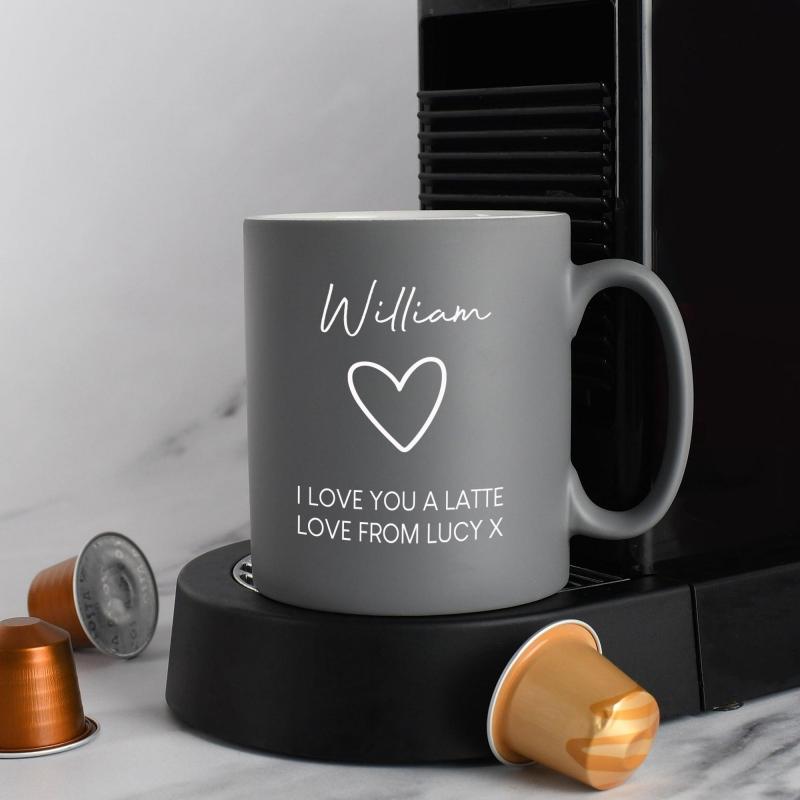
Dive deeper Paragraph: Sometimes, the most powerful branding isn't about color—it's about texture and feel. This is where engraving and embossing come in. Laser engraving uses a high-powered laser to carefully etch away the outer glaze of the mug, revealing the raw ceramic material underneath. It creates a sharp, precise, and permanent design with a subtle, upscale look. Embossing (a raised design) or debossing (a recessed design) is typically done during the mug's manufacturing process itself. The design is pressed into the clay while it's still wet, before it's fired. This makes the logo an integral part of the mug's structure.
We recommend these methods to clients creating high-end corporate gifts, stocking luxury hotel rooms, or developing a retail line with a minimalist aesthetic. When you hold one of these mugs, you feel the logo with your fingertips. It’s a sensory experience that says "quality" and "permanence." The trade-off is color and cost. These are single-tone methods. Embossing requires a very high MOQ because it's part of the manufacturing mold. Laser engraving is more flexible with quantity but has a higher cost per piece than printing. You're choosing texture over color.
How Do I Actually Choose the Right Method for My Business?
leading paragraph: You've seen the options, but now you feel more confused than before. Making the wrong choice could be a costly mistake that disappoints your customers. How do you make a confident decision?
snippet paragraph: It's simple: don't start by thinking about printing methods. Start by defining your single most important priority for the project. Is it the lowest possible cost, the absolute best durability, the most complex design, or a very small order quantity? Your answer makes the choice easy.
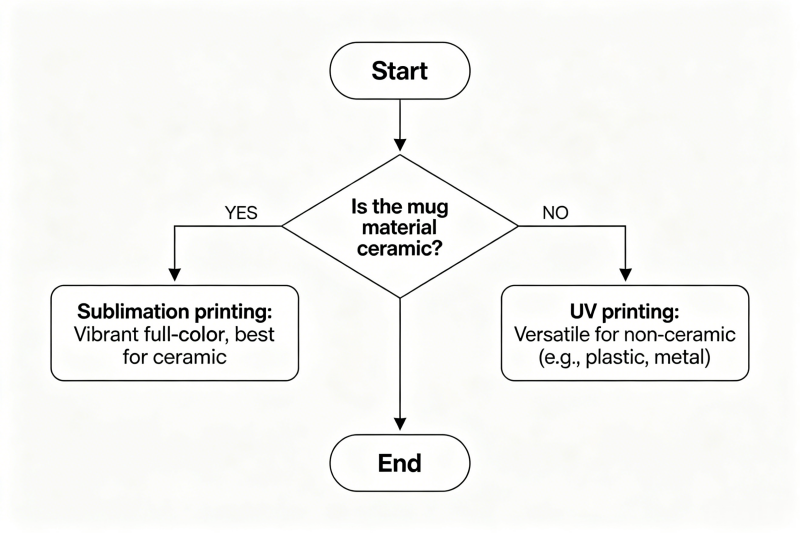
Dive deeper Paragraph: After 15 years in this business, I've simplified the decision process for our wholesale partners down to one question: What is the #1 priority for this order? Once you know that, the path becomes clear. Let's walk through it.
If your priority is LOWEST COST PER UNIT on a large order (>1,000 units)...
- And your design is simple (1-2 solid colors): Choose Screen Printing. It's the fastest and most economical option for bulk production.
- And your design is complex (multi-color/detailed): Choose Decal Printing. The cost is still low in bulk, but it handles intricate artwork perfectly.
If your priority is MAXIMUM DURABILITY & PREMIUM FEEL...
- And you need color in your design: Choose Kiln-Fired Decal Printing. It is the gold standard for permanence and a retail-quality finish. It's fully dishwasher and microwave safe.
- And you want a subtle, textural effect: Choose Laser Engraving or Embossing. This provides a unique tactile experience that feels incredibly high-end.
If your priority is DESIGN FLEXIBILITY (photos, personalization) or a LOW MOQ...
- And you need photographic quality: Choose Dye-Sublimation. It delivers stunning, vibrant, full-color images and is perfect for print-on-demand or small batches.
- And you need a versatile option: Digital Printing is a strong contender, but be sure to ask your supplier about their specific machine's durability and request samples to test.
This framework covers about 99% of the buying decisions we see. The key is to be clear about your primary goal before you request a quote. It will save you time, money, and ensure you get a product that truly fits your needs.
Conclusion
Ultimately, choosing the right mug decoration is about strategy, not just technology. By defining your main priority—be it cost, durability, or design—you can confidently select the perfect method for your business.