Tired of guessing mug trends and getting stuck with unsold inventory? Choosing the wrong design hurts your bottom line. We will show you how to match designs to your market.
The key is to understand that different trends serve different business goals. Minimalist styles are for volume, while reactive glazes create premium items. Matching the trend to your specific market and supply chain capability is crucial for maximizing sales and minimizing inventory risk.
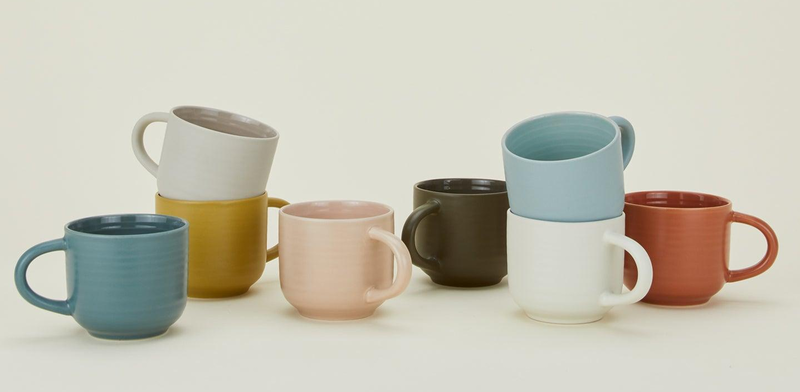
For the past 15 years, my work has involved helping buyers from major retail chains and wholesale distributors navigate these choices. What I have learned is that success is less about finding a single "hot" trend and more about building a balanced portfolio of products. It is about making smart, commercial decisions based on production realities. Let us break down what we are seeing on our production floor and in conversations with buyers worldwide.
Are Minimalist and Natural Styles Still the Safest Bet?
Need reliable, high-volume sellers that anchor your collection? Stocking flashy, unproven designs is a huge risk. Minimalist mugs offer a proven path to consistent sales, but margins can feel tight.
Yes, for mass-market retailers, minimalist and natural styles are the backbone of your sales volume. They are a low-risk, high-volume choice. However, because they are easy to copy, they create intense price competition, requiring an efficient supply chain to protect your margins.
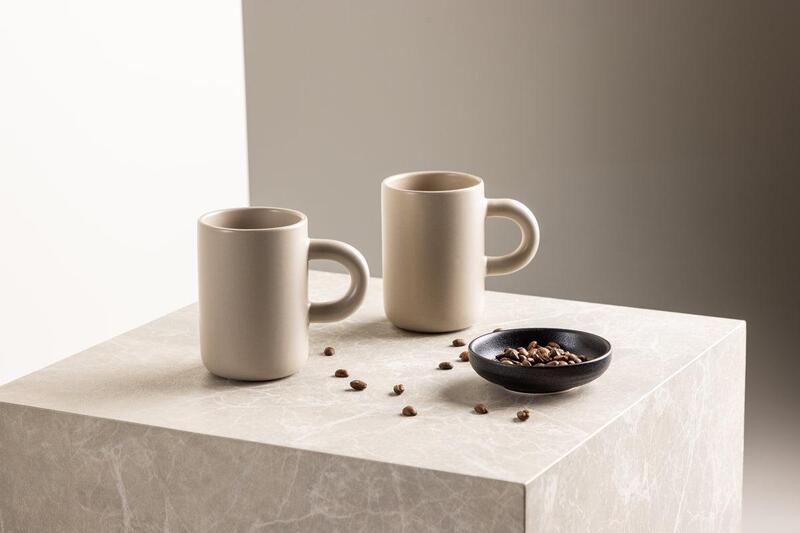
What we often explain to buyers from major European chains is that minimalist styles are the "white t-shirt" of the mug world. They are essential, have mass appeal, and form the foundation of any strong collection. Consumers see them as practical, everyday items. For you, the buyer, this means predictable sales velocity. However, this broad appeal is also their biggest challenge. Because the designs are simple, differentiation is low, and the conversation with your customers quickly turns to price. To succeed here, your focus must shift from design innovation to operational excellence. We have seen buyers thrive in this category not by finding a slightly different shade of white, but by optimizing their logistics, packaging, and order volumes to drive down the per-unit cost. It is a game of cents, and every part of the supply chain matters.
Balancing Volume and Margin
The key is to use these simple styles strategically. You can add subtle differentiation that does not dramatically increase cost. A matte finish instead of a glossy one, a slightly recessed base, or using a higher-grade ceramic can create a perception of quality.
| Feature | Business Implication | Advice for Buyers |
|---|---|---|
| High Volume | Predictable sales, lower inventory risk. | Use for core, year-round collections. |
| Low Differentiation | Intense price competition, lower margins. | Focus on supply chain efficiency. |
| Mass Appeal | Wide customer base, easy to market. | Keep messaging simple and practical. |
| Supply Chain Focus | Success depends on logistics and cost control. | Work with suppliers with proven scale. |
How Can Reactive Glazes and Embossing Boost Your Margins?
Do your standard mugs get lost in a sea of similar products? When you are only competing on price, your profits suffer. Unique finishes can make your products stand out and command higher prices.
These techniques create high-perceived-value items that justify a premium price point. Reactive glazes offer one-of-a-kind patterns, while embossing adds a tactile, quality feel. They are your key to moving up the value chain and away from pure price competition.
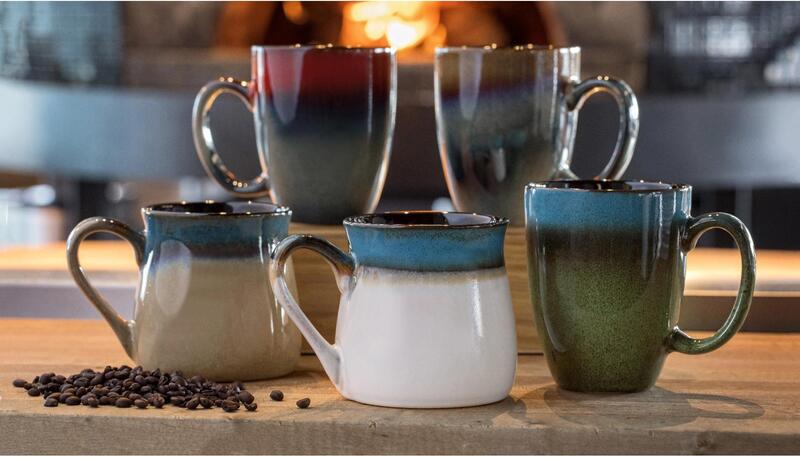
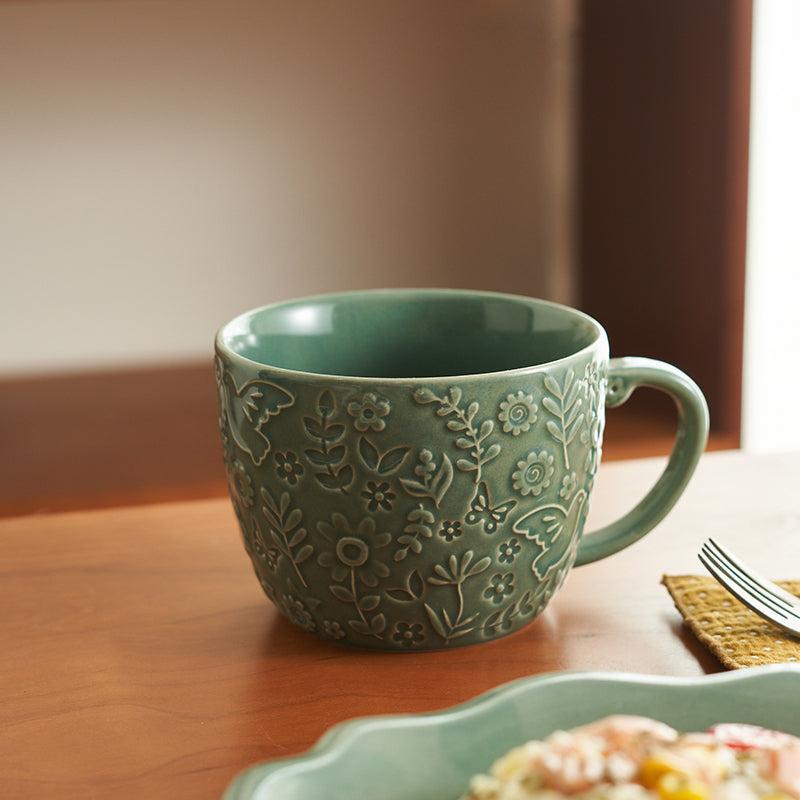
These are the styles that generate excitement. A reactive glaze is a special formula that creates unique, often multi-toned patterns during the firing process. From our perspective as a manufacturer, no two mugs are ever exactly identical. This uniqueness is a powerful selling point you can use in your marketing. It transforms a simple mug into an "artisan" piece. Similarly, embossing, which creates a raised pattern on the mug's surface, adds a tactile quality that signals craftsmanship and durability. A common mistake we see new wholesalers make is underestimating the production nuances. For reactive glazes, you must embrace the color variations. We always advise running a small trial order first. This helps you understand the range of potential outcomes so you can set clear customer expectations. For embossing, the upfront investment in a precise mold pays off in creating a consistent, premium product.
Embossed ceramic mug featuring raised texture and premium craftsmanship
Production Realities vs. Market Appeal
Both techniques are about elevating the product, but they require you to partner closely with your manufacturer.
| Technique | Market Appeal | Supply Chain Consideration |
|---|---|---|
| Reactive Glaze | Unique, "one-of-a-kind" look. High perceived value. | Color and pattern variation is inherent. Requires managing customer expectations. May have slightly higher defect rates. |
| Embossing | Tactile, premium feel. Signals quality and durability. | Requires an initial mold investment. Design must be precise. Best for high-volume orders to amortize mold cost. |
Why Are Earthy Tones the New Mainstream Color Palette?
Are your bright, bold color palettes not selling like they used to? We are seeing a clear shift in consumer tastes. Sticking with outdated colors means missing out on the current market demand.
Earthy tones like terracotta, sage green, and sand have become a safe, mainstream choice. They connect with a broad consumer desire for nature, calm, and wellness. But "mainstream" varies by region, so tailoring your palette to your specific market is crucial for success.
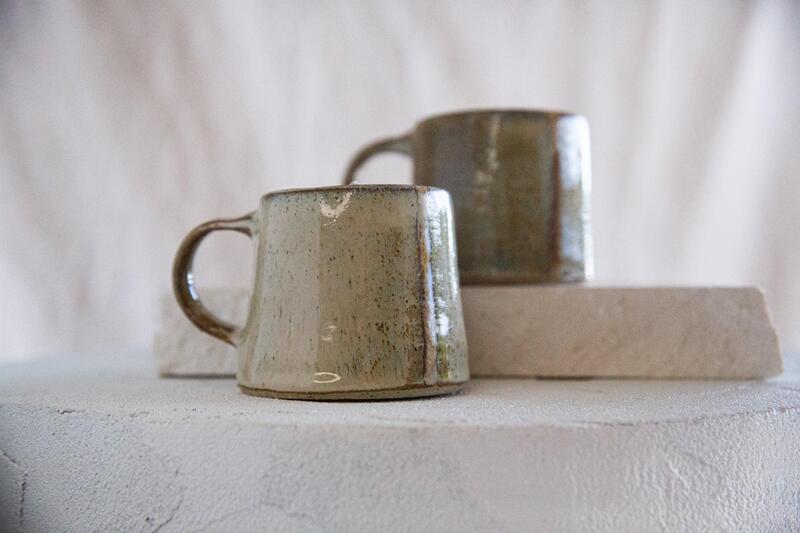
This trend is not just about color; it is about a feeling. Across many markets, consumers are trying to bring a sense of natural calm into their homes. Mugs are an easy way to do that. For you as a buyer, this is a relatively safe trend to invest in. However, a huge error is assuming "earthy" means the same thing everywhere. From our export data over the last three years, we see clear regional preferences. What we ship to a Scandinavian hypermarket is very different from what we send to a wholesaler in Latin America. We encourage buyers to look at local home decor and fashion trends. The color of a popular sofa or throw pillow is often a great indicator of what will sell well on a mug. Your mug is not an isolated item; it is part of the consumer's home environment.
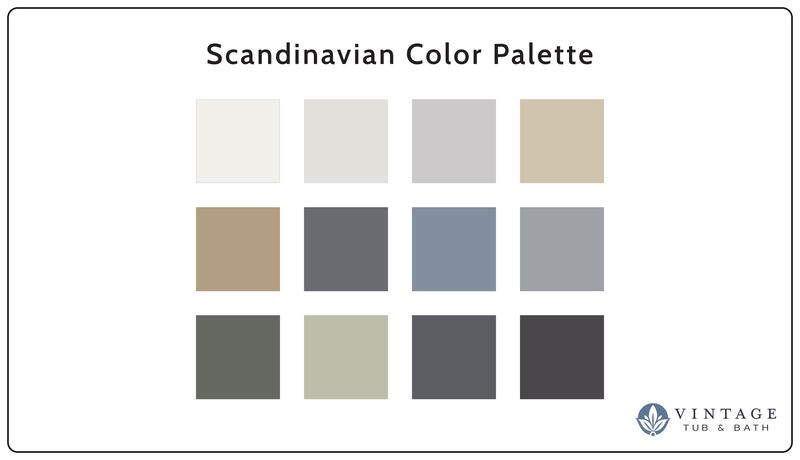
Matching Earthy Tones to Regional Markets
A little research into regional color preferences can dramatically improve your sell-through rate.
| Region | Typical Earthy Palette | Rationale |
|---|---|---|
| Scandinavia / Northern Europe | Cool, muted tones: slate gray, pale sage, dusty blue. | Complements minimalist interiors and the natural light. |
| North America | Warm neutrals: beige, greige, warm terracotta, forest green. | Reflects a blend of modern farmhouse and organic modern trends. |
| Latin America | Vibrant earth tones: rich terracotta, ochre yellow, deep greens. | Connects with the vibrant natural landscapes and colorful architecture. |
Should You Invest in Irregularly Shaped Mugs for Your Main Collection?
You have seen those cool, organic, handmade-looking mugs on social media. They look great online, but they can be a logistical nightmare. Stocking them without a clear strategy can lead to high costs.
For a main collection in large-scale retail, our answer is usually no. These mugs are best for targeted bets. While visually appealing, their non-stackable nature creates shipping, storage, and retail display challenges, increasing costs and risk for high-volume orders.
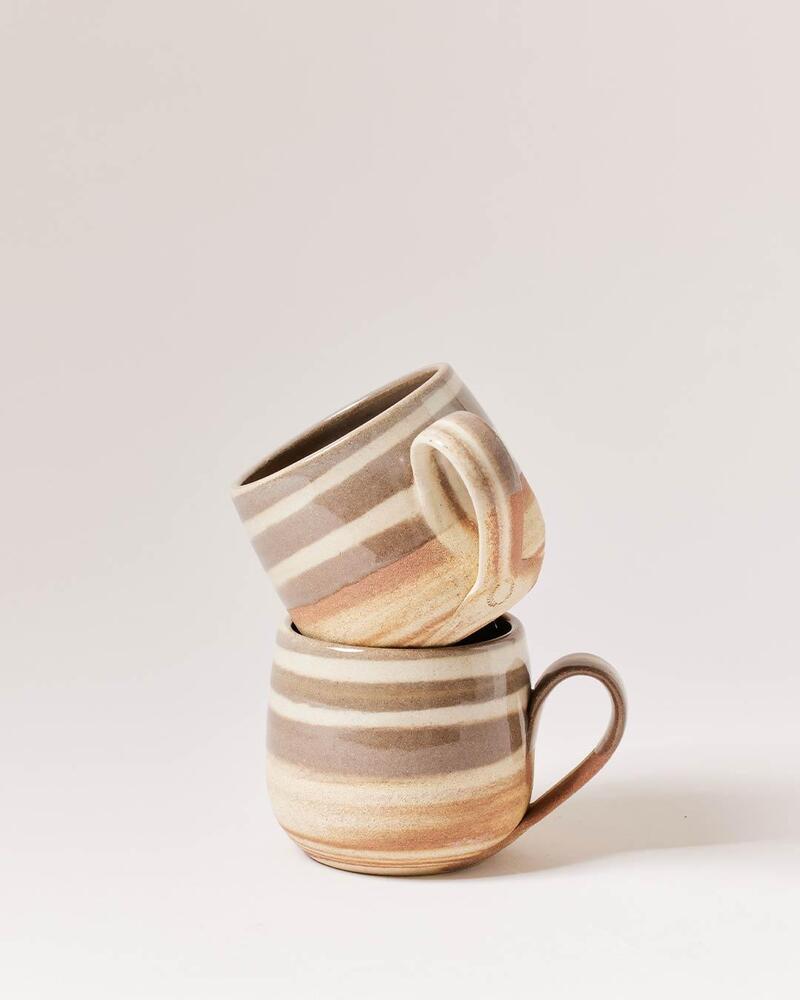
As a manufacturer, we see the hidden costs of these designs firsthand. A standard cylindrical mug is a master of efficiency. We can pack them tightly in cartons, which maximizes space in a shipping container. They stack neatly in a warehouse and on a retail shelf. An irregular, "organic" shape loses all of these advantages. It requires more protective packaging, which increases material costs and waste. We can fit fewer units in a container, which drives up your per-unit freight cost. We have had buyers who fall in love with a design on Instagram only to realize the shipping cost makes their target retail price impossible. For your retail partners, they are difficult to display, leading to wasted shelf space and a messy look. Breakage rates, from the factory to the store, are also typically higher.
The Business Case: Niche vs. Scale
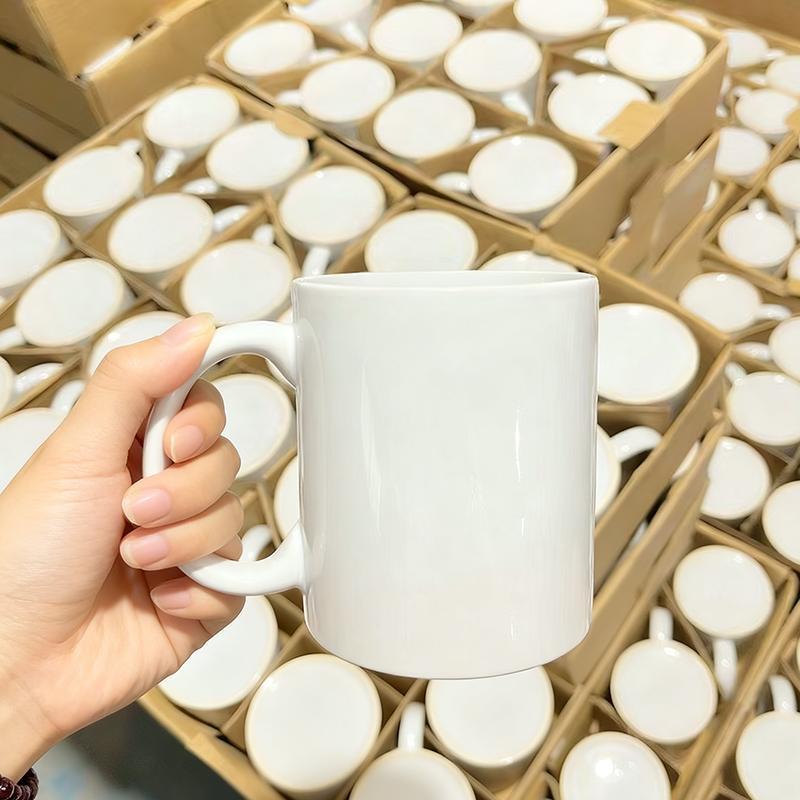 These designs have a place, but it is a specific one. We produce these styles for boutique gift shops or for brand collaborations where uniqueness is the primary goal and volume is secondary. For our large supermarket and wholesale partners, we almost always advise sticking to stackable variations for their core range.
| Factor | Standard Shapes (Stackable) | Irregular Shapes (Non-Stackable) |
|---|---|---|
| Shipping Cost | Low per unit (high density). | High per unit (low density). |
| Storage & Warehousing | Efficient and space-saving. | Inefficient; requires more space. |
| Retail Display | Easy to stack and merchandise. | Difficult to display; looks messy. |
| Breakage Risk | Lower due to stable packing. | Higher due to awkward shapes. |
| Best Target Market | Mass retail, wholesale, food service. | Gift shops, brand collaborations, online boutiques. |
Conclusion
 choosing the right mug design is not about chasing trends. It is about matching the design to your market and your supply chain to build a profitable, low-risk portfolio.