You need to source ceramic mugs, but the "Made in China" label makes you hesitate. This uncertainty is risky. A wrong choice could harm your customers and your brand's reputation.
Yes, mugs from China can be perfectly safe to drink from. Safety is determined by the specific manufacturer, not the country. A reputable supplier will follow strict international standards for lead and cadmium, like FDA and Prop 65, and can provide test reports to prove it.
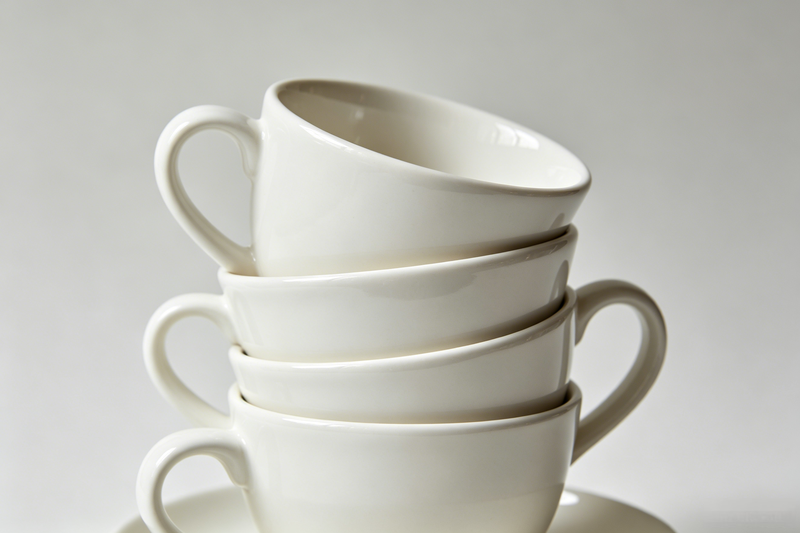
It is easy to get caught up in headlines and worry about product safety. But for professional buyers like you, the concern isn't really about a country. It's about risk management. For the past 15 years, my factory has been shipping mugs to Europe, the US, and South America. I've learned that the most successful buyers don't ask "Is it made in China?". They ask much smarter questions. Let's break down what really matters when you're sourcing ceramic mugs, so you can make your next purchase with complete confidence.
Why is it about the manufacturer, not the country?
Seeing "Made in China" can make you automatically think of risk. This bias might cause you to overlook excellent, cost-effective suppliers who are committed to quality. Let's shift your focus from the country to the factory's actual credentials.
Safety is a manufacturer-level issue because quality control, materials, and testing are all managed by the individual factory. Reputable Chinese manufacturers invest heavily in certifications and testing to meet strict international standards. Low-quality producers are the ones who cut corners and create risk.

In my 15 years in this business, I’ve seen that the gap between a great factory and a poor one is huge. The difference comes down to a commitment to quality systems and a willingness to prove it. For professional buyers, this proof comes from certifications. When clients ask us for our documents, we are happy to provide them. It shows they are serious, and it gives us a chance to show we are too.
There are a few key things to look for:
1. Quality Management Systems (ISO 9001)
This certification means a factory has a reliable and repeatable process. For us, it means every step, from mixing the clay to packing the box, is documented and followed. It reduces mistakes and ensures the mug you approve is the same mug your customers receive in every shipment. It is the foundation of consistency.
2. Social Compliance Audits (BSCI)
This audit shows that a factory treats its workers fairly and ethically. While not a direct product safety standard, it tells you a lot about the company. A factory that invests in its people is usually a stable, responsible partner that cares about its long-term reputation. This mindset almost always extends to product quality and safety.
3. Product-Specific Test Reports
These are the most important documents for safety. We regularly send our mugs to third-party labs like SGS or Intertek to test for lead and cadmium. We test for compliance with FDA standards, California Proposition 65, and EU regulations. A reliable manufacturer will have these reports ready and will test new designs as a standard procedure. A risky factory will not have them.
Which mug materials and decorations are the safest?
All ceramic mugs look similar from a distance. But some designs are much safer than others. Choosing the wrong type could mean a decoration leaches chemicals into a hot or acidic drink. Understanding materials and glazes is key to making a safe choice.
The safest ceramic mugs have a plain, undecorated inner surface made from high-white porcelain or new bone china. For decorated mugs, underglaze and in-glaze decorations are the safest choices. They are sealed beneath a protective layer, preventing any direct contact with your drink.
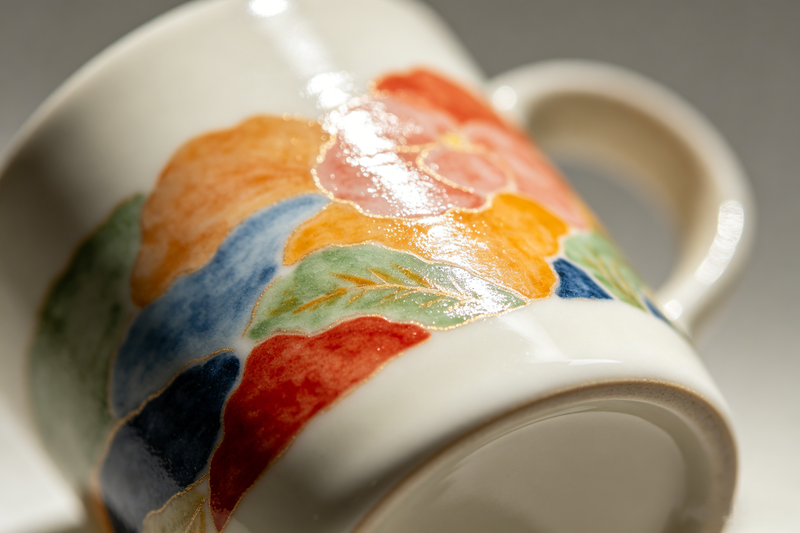
When we work with new clients, especially large retailers, the conversation often turns to decoration methods. The choice directly impacts safety, durability, and cost. A plain white interior is always the simplest and most foolproof option. There are no color pigments inside the mug, so there is zero risk of leaching. But if you need a custom design, the application method is everything.
Decoration and Its Impact on Safety
The main safety concern with ceramic mugs comes from the heavy metals, specifically lead and cadmium, that can be found in some color pigments. Vibrant colors like red, yellow, and orange historically used these metals to achieve their brightness. A reputable manufacturer uses modern, lead-free pigments. However, the decoration method provides an extra layer of safety.
Here is a breakdown of the common types:
| Decoration Type | How It Works | Safety Level | How It Feels |
|---|---|---|---|
| On-Glaze | Pigment is applied on top of the finished glaze. | Lower (if uncertified) | Slightly raised, rough |
| In-Glaze | Pigment sinks into the glaze during high-temp firing. | High | Perfectly smooth |
| Underglaze | Pigment is applied before the glaze, sealed in. | Highest | Perfectly smooth |
On-glaze decorations are the source of most safety issues. The design is applied on top of the final glaze and fired at a low temperature. If a factory uses cheap pigments and doesn't fire the mug correctly, these pigments can come into direct contact with drinks. Acidic beverages like coffee, tea, or juice can cause metals to leach out over time.
In-glaze and underglaze methods are far superior for safety. The decoration is physically sealed away from the food-contact surface. You can't feel the design because it's either part of the glaze or underneath it. For all our exports to the US and EU, we use in-glaze or underglaze for any interior decorations, or we strongly recommend keeping the interior plain. It’s the responsible way to manufacture.
How can I verify a Chinese supplier is truly safe?
You've received a great quote from a supplier, and they claim their products are safe. But how can you be sure they are telling the truth? Verifying a supplier’s claims is a crucial step to protect your business and your customers.
To verify a supplier, you must request and check their documents. Ask for factory audits like BSCI and ISO 9001. More importantly, demand product-specific lab reports for lead and cadmium from a reputable third-party lab. Also, pay attention to the price—an extremely low price is a major red flag.
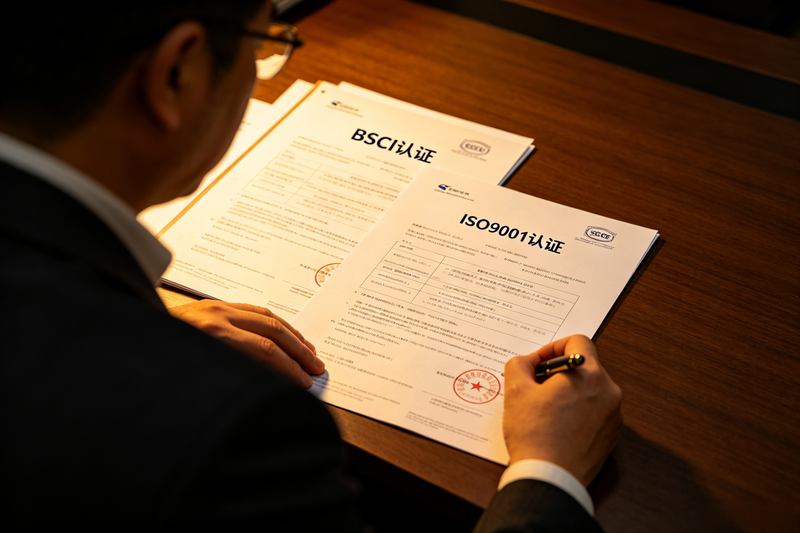
Trust is important, but in business, you need verification. Our most experienced clients have a simple, effective process for vetting new suppliers. It's a process we welcome because it separates professional manufacturers from the risky ones. You can use the same checklist.
Step 1: Ask for the Paperwork
A professional supplier will have these documents ready. If a company hesitates or makes excuses, it's a bad sign.
- Factory Audits (BSCI, ISO 9001): Ask for the full audit report, not just a certificate. Check the date to ensure it is still valid.
- Product Test Reports: This is non-negotiable. The report must be from a well-known third-party lab (like SGS, Intertek, BV, TUV). Check that the report is recent, and that the product tested matches the one you are ordering. A report for a plain white mug doesn't apply to a mug with a red internal logo.
Step 2: Analyze the Price
As a manufacturer, I know the costs that go into a safe, high-quality mug. Certified clay, lead-free glazes, high-temperature firing, and third-party testing all add to the final price. These are not areas where we can cut corners. If you receive a quote that is significantly lower than all others, you must ask yourself what is being left out. Often, it's the testing and quality materials. A slightly higher price from a verified supplier is not a cost; it's an investment in safety and brand protection.
Step 3: Communicate Your Requirements Clearly
Be direct. Tell your supplier, "These mugs are for the German market and must comply with EU regulations," or "This order must be compliant with California Prop 65." A professional manufacturer will understand immediately and confirm they can meet these standards. They may even suggest the right materials and decoration methods to ensure compliance. A low-quality supplier might become evasive or simply say "yes" without understanding the implications. Clear communication puts the responsibility on the manufacturer to deliver a product that is safe for your specific market.
Conclusion
Choosing a safe mug from China is not about luck. It's about due diligence. By asking the right questions, verifying the manufacturer, and understanding that real quality has a fair price, you can source with confidence.