Sourcing glazed pottery can be tricky. You worry about safety risks and product recalls. True safety depends on supplier verification, not just labels, protecting your business and customers.
The safety of glazed pottery in a microwave depends on its specific manufacturing process. A product is generally safe if its clay body has low water absorption, its glaze is free of metallic components, and it has been fired at a high enough temperature to become vitrified.
So, if it’s not a simple "yes" or "no," what should a professional buyer look for? As a manufacturer with 15 years of experience exporting ceramic mugs, I've seen firsthand how a lack of verification can lead to major issues for wholesalers and retailers. The "microwave safe" stamp is just the start of the conversation, not the end. To protect your investment and your brand, you need to understand the risks hidden beneath the glaze. Let's break down the key factors that separate a safe product from a potential liability.
What Makes Glazed Pottery Unsafe in a Microwave?
You assume all modern glazes are fine for microwave use. But some contain hidden metals that can spark or overheat, creating a hazard. Understanding these risks protects your customers and your business.
The biggest culprits are metallic components in glazes or decorative rims, which can cause sparks. Another major risk is a porous clay body with high water absorption. This allows water to get trapped, turn to steam, and cause the pottery to crack or even explode.
In my experience dealing with sourcing managers, these hidden dangers are their biggest concern. A single incident can lead to a costly product recall and damage a brand's reputation. It's not just about a single mug breaking; it's about the risk across an entire shipment of thousands of units. The safety of your product is determined long before it’s packed and shipped. It’s decided by the manufacturer's choices in materials and process. Let's dive deeper into what you, as a buyer, need to scrutinize.
The Three Critical Safety Factors
To truly assess the risk, you must look at three areas the manufacturer controls:
-
Clay Body Water Absorption: A low-quality, porous clay body acts like a sponge. Even after washing, it can retain small amounts of water. When microwaved, this trapped water turns into superheated steam, creating immense internal pressure. This can cause the item to become dangerously hot to the touch or, in worst-case scenarios, crack or shatter. A well-vitrified piece of pottery should have a water absorption rate below 3%. We aim for less than 0.5% in our products to ensure maximum durability.
-
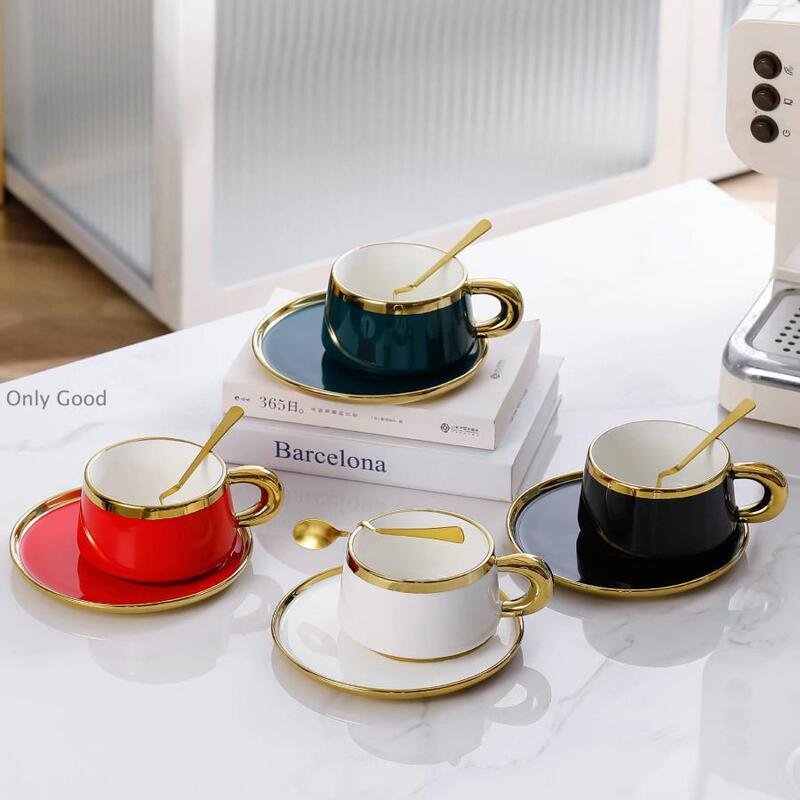
Metallic Components in Glaze or Decoration: This is the most common and immediate danger. Many beautiful colors, especially bright reds, oranges, and some deep blues, are created using metallic oxides. If not properly formulated and fired, these metals can react to microwave energy, causing arcing—visible sparks inside the microwave. The most obvious risk is decorative elements like gold, silver, or platinum rims. These are made of real metal and will always cause sparks.
-
Firing Temperature and Vitrification: Vitrification is the process where heat fuses the clay particles and glaze into a single, glass-like, non-porous structure. This happens only when the pottery is fired at the correct, high temperature for a sufficient duration. An under-fired piece will remain porous, leading to the water absorption issue mentioned above. A manufacturer who can clearly state their firing temperatures and explain how it achieves full vitrification is demonstrating expertise and control over their process.
| Safety Factor | Safe Product (Low Risk) | Unsafe Product (High Risk) |
|---|---|---|
| Water Absorption | Below 3% (ideally <0.5%) | Above 3% |
| Glaze/Decoration | Free of all metallic elements | Contains metallic oxides or decorative metal rims |
| Firing Process | Fully vitrified at high temperatures | Under-fired, remains porous |
How Can You Verify a Supplier's 'Microwave Safe' Claim?
A supplier tells you their pottery is microwave safe. But how can you be sure for an order of thousands of units? You need to ask for specific documents and data to truly verify the claim.
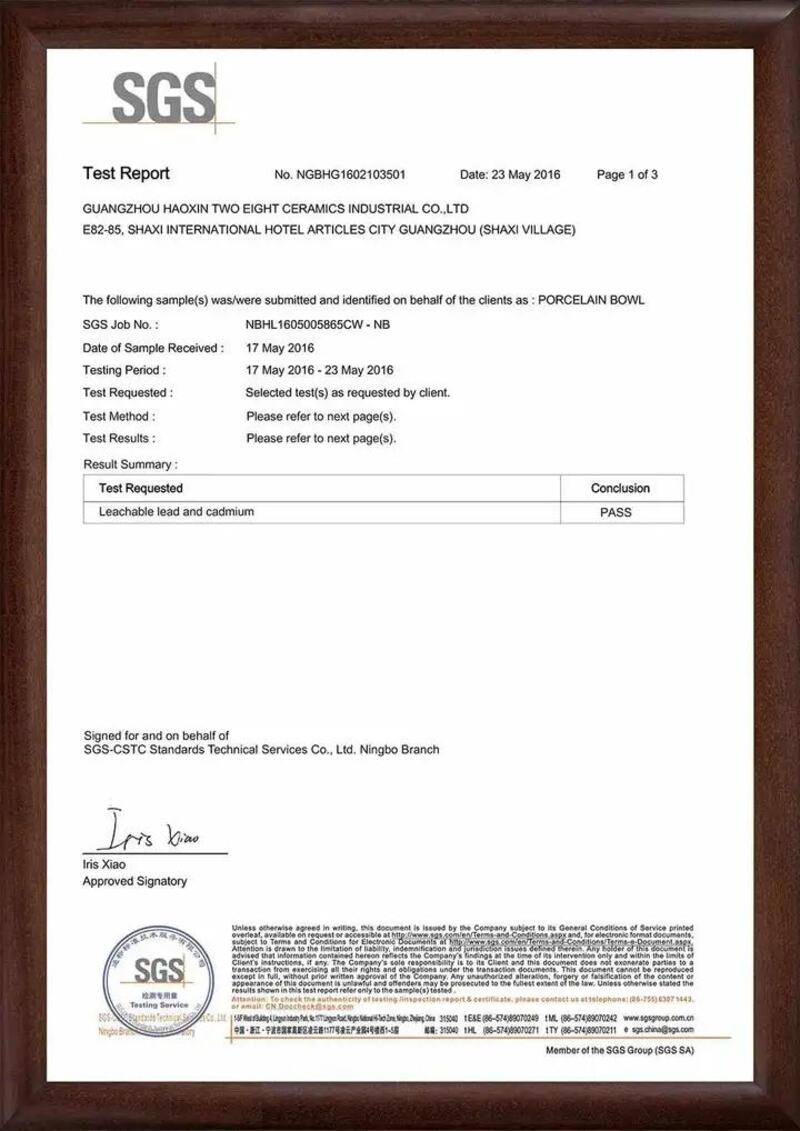
Go beyond their word. Request third-party test reports for lead and cadmium, official data sheets on water absorption rates, and a clear, written confirmation that no metallic decorations or glazes are used. A transparent and competent supplier will provide these documents readily.
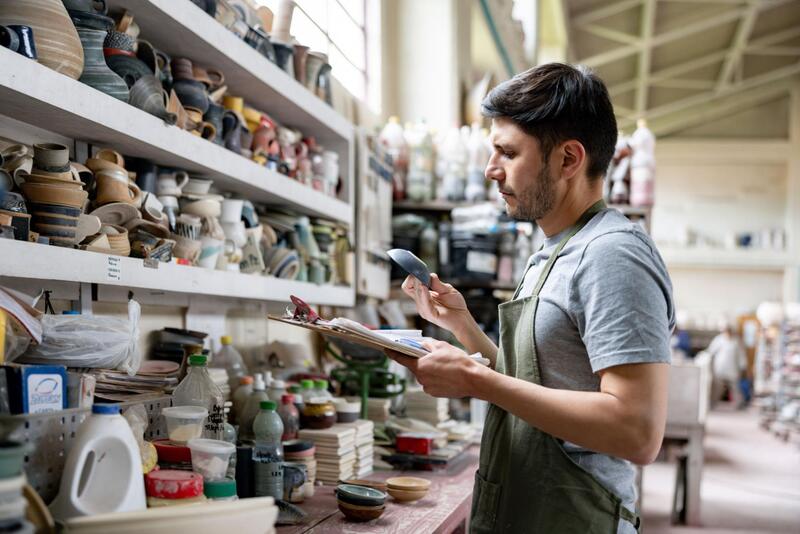
I always tell my clients that this verification process is the single most important step in sourcing ceramics. It’s not about distrust; it’s about due diligence. Think of it as a test of your supplier's competency and transparency. A reliable partner understands the risks you face and will have the documentation prepared to put your mind at ease. A supplier who hesitates, makes excuses, or cannot provide this information is a major red flag. This simple conversation can tell you everything you need to know about their quality control standards and whether they are a partner you can trust with your brand.
Your Supplier Verification Checklist
When you are qualifying a new ceramic manufacturer, your conversation should be less about price and more about process. Use these points to guide your discussion and vet their capabilities.
Key Documents to Request
Don't just ask if they have them; ask to see them. A trustworthy manufacturer will have these on file and ready to share.
- Third-Party Test Reports: Ask for recent reports from recognized labs like SGS, TUV, or Intertek. These should specifically test for lead and cadmium leaching, which is a baseline for food safety.
- Water Absorption Test Data: This is a crucial number. They should be able to provide a technical data sheet stating the percentage of water absorption for the specific clay body used in your products. As mentioned, anything under 3% is acceptable, but top-tier manufacturers will be well below 1%.
- Material Specification Sheet: This document should confirm that the glazes and any decorative decals used are free of metallic compounds.
Critical Questions for Your Supplier
Framing your questions correctly shows you are an informed buyer.
- "What is the exact water absorption rate of this product?" This question tests their knowledge of their own materials beyond a simple "it's low."
- "Can you confirm in writing that no metallic oxides are used in the glazes, particularly for red or orange colors?" This forces a clear commitment and shows you understand specific material risks.
- "At what temperature and for how long do you fire your mugs to achieve full vitrification?" A supplier who can confidently answer this demonstrates deep process control. An evasive answer suggests they may not have a standardized, reliable process.
If a potential partner cannot answer these questions or provide the documents, you should seriously reconsider the partnership. The initial cost savings are not worth the long-term risk of product failures and recalls.
Does a 'Microwave Safe' Label Guarantee Commercial Durability?
The product has a "microwave safe" symbol on the bottom. But is that enough for a commercial client like a hotel or restaurant chain? The demands of commercial use are far greater than those of a home.
Not entirely. The label confirms basic safety from hazards like sparks, but it says nothing about long-term durability. For a commercial buyer, a truly 'safe' investment is a product that withstands repeated high-temperature washing and microwaving without chipping, cracking, or crazing.
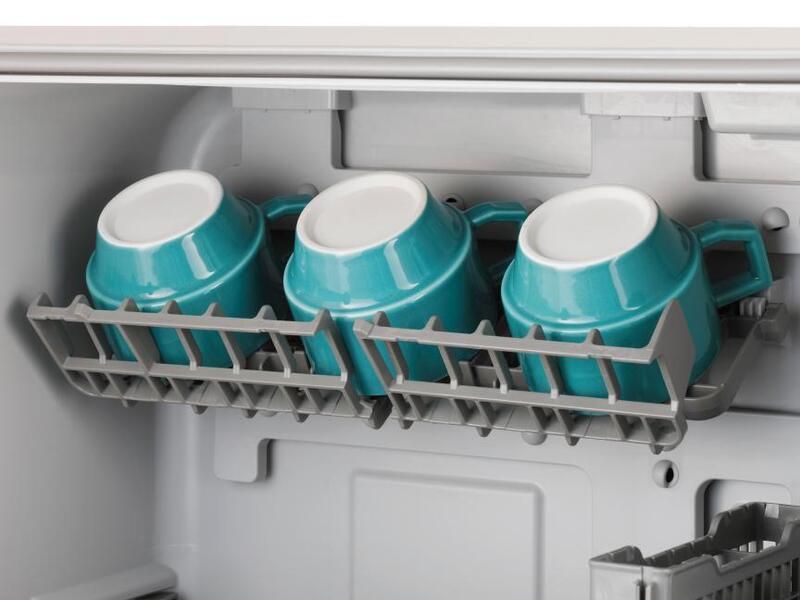
In the B2B world, durability is a form of safety—safety for your investment and your reputation. I've worked with wholesalers who supply the food service industry, and their primary concern is total cost of ownership. A mug that cracks after 50 wash cycles is a liability. The "microwave safe" symbol you see on a retail product is a consumer-grade promise. For a professional buyer, that promise needs to be backed by industrial-grade quality, which again comes back to the core manufacturing principles: a non-porous body and a perfectly fused glaze.
Beyond the Label: Assessing Total Cost of Ownership
When you're buying in bulk, the sticker price is only one part of the equation. A cheap product that fails quickly becomes incredibly expensive. You must consider the risks and costs associated with poor quality.
Consumer Grade vs. Professional Grade
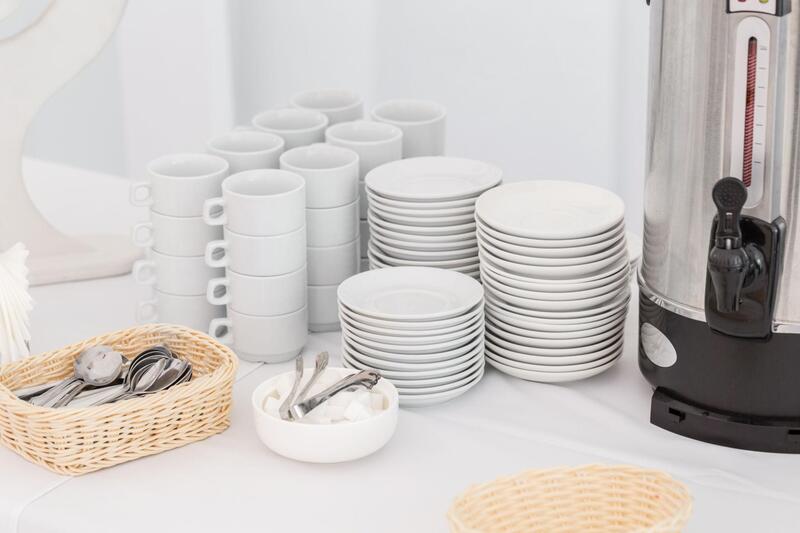
There's a significant difference. A mug in a cafe might be microwaved and run through a high-temperature commercial dishwasher multiple times a day. A mug at home might see that use in a week or a month. This repeated thermal shock—rapid heating and cooling—is the ultimate test of vitrification. A poorly made, porous mug will absorb moisture during washing and then crack when subjected to the heat of a microwave. This leads directly to replacement costs, unhappy clients, and a damaged reputation for you as the distributor.
The True Cost of a "Bargain"
Let's break down how a low-quality product can impact your bottom line. It's not just about replacing broken items.
| Cost Factor | High-Quality Verified Product | Low-Quality Unverified Product |
|---|---|---|
| Initial Cost | Slightly higher per unit | Lower per unit |
| Replacement Rate | Very low (minimal breakage/cracking) | High (frequent failures from thermal shock) |
| Reputational Risk | Positive (seen as a reliable supplier) | Negative (complaints, bad reviews, loss of clients) |
| Recall/Liability Risk | Virtually zero | Moderate to high |
| Long-Term Profit | Higher (strong client retention, good margins) | Lower (costs of replacement & lost business) |
For our clients in the wholesale and retail space, choosing a slightly more expensive but fully verified product is a strategic business decision. It minimizes risk and ensures the product performs not just for the end consumer, but for their business as well.

Conclusion
"Microwave safe" is not a simple label you can trust. It is a feature that must be verified through documentation, direct questions, and partnership with a knowledgeable manufacturer.