You love your favorite mug, but it has a small crack. You wonder if it's still safe to use. But continuing to use it might expose you to hidden dangers.
The short answer is no, it's not safe. A crack compromises the mug's protective glaze. This can lead to bacterial growth, sudden breakage with hot liquids, and potential chemical leaching. It is best to stop using any cracked ceramic mug for your safety.
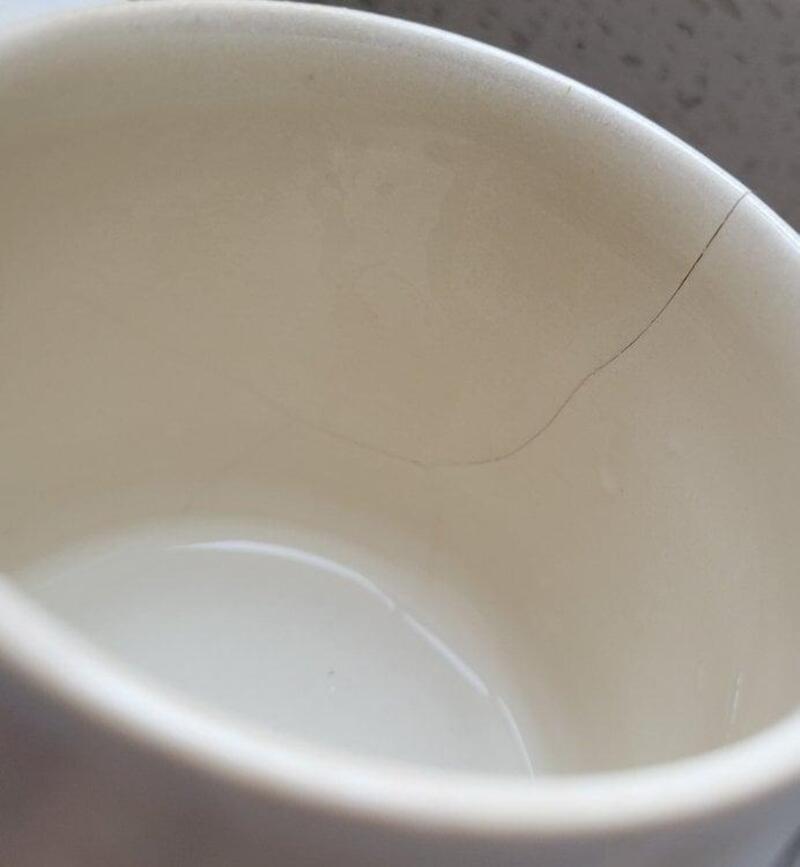
I have been in the ceramic mug manufacturing business for over 15 years. People ask me this question all the time, both home users and our large wholesale clients. The answer is more than a simple "yes" or "no". It's about really understanding the risks you can't see. The integrity of a mug is everything. Let's look closer at what a crack really means for your daily cup of coffee.
Are all cracks in a mug the same?
You notice a web of tiny lines on your mug's surface. It does not seem like a deep crack, so you ignore it. But even these small lines can be a sign of a bigger problem.
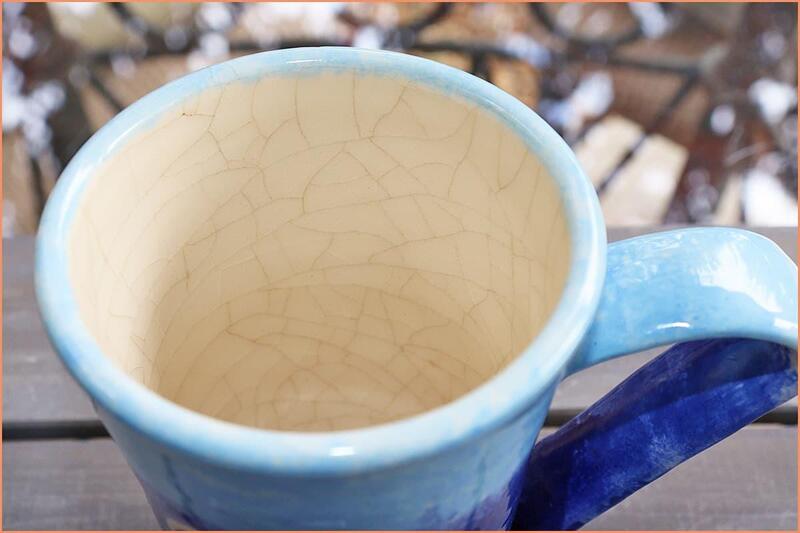
No, not all cracks are the same. There is a big difference between "crazing," which are fine lines in the glaze, and a structural crack that goes into the ceramic body. A structural crack is a clear safety hazard, while crazing is a sign of a quality issue.
From a production standpoint, we have to look at every imperfection. A line on a mug is not just a line; it tells a story about its quality and safety. To help you decide what to do with your own mug, you need to know what kind of crack you are looking at. They fall into two main categories, and they have very different levels of risk.
Crazing: The Tiny Web of Lines
Crazing looks like a delicate spiderweb of lines trapped just under the surface. It happens when the glaze and the ceramic body cool and shrink at different rates after being fired in the kiln. In our factory, this is considered a cosmetic defect, but it is one we watch closely. While the mug probably will not break apart in your hand, these tiny cracks have broken the seal of the glaze. This means they can easily trap dark stains from coffee and tea, and more importantly, they can become a home for bacteria that you can't wash away.
Structural Cracks: The Real Danger
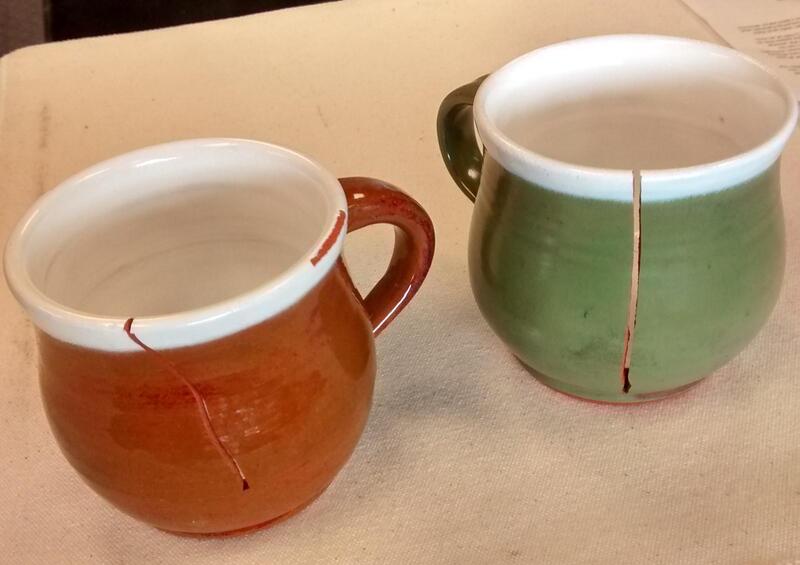
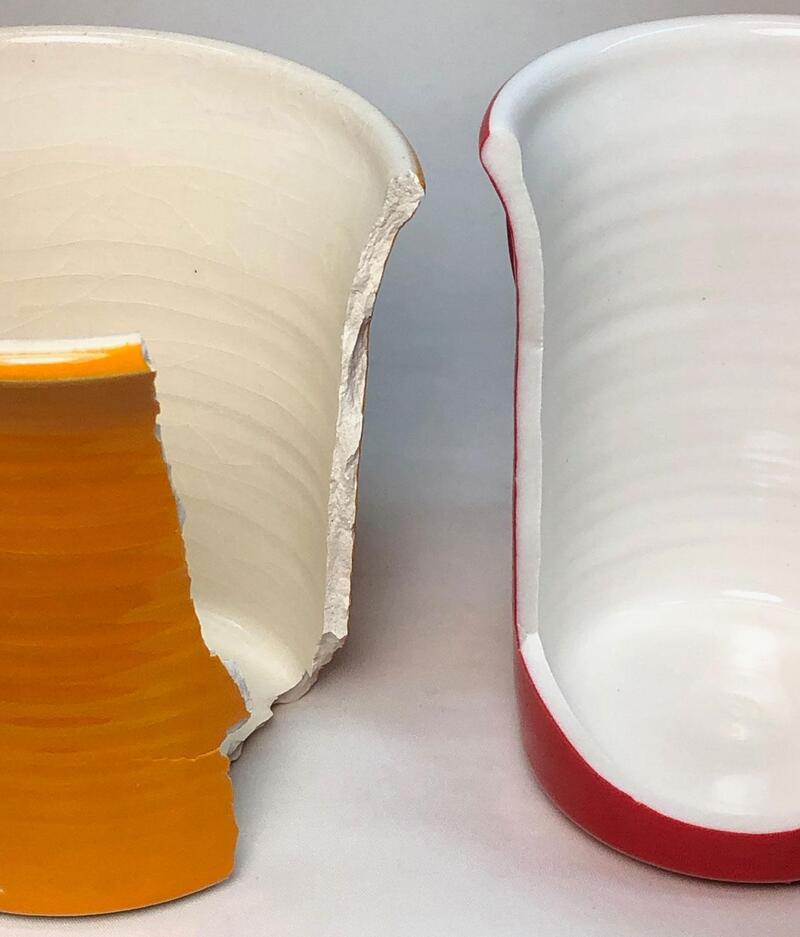
A structural crack is much more serious. This is a crack that goes through the glaze and into the ceramic body of the mug. You can usually feel this kind of crack with your fingernail, and you might see it on both the inside and outside of the mug. This crack has compromised the entire structure. The mug is now weak. We consider this a critical failure. Any mug with a structural crack failed its primary job of holding liquid safely.
Here is a simple way to compare them:
| Feature | Crazing | Structural Crack |
|---|---|---|
| Appearance | Fine, web-like lines | A single, distinct line |
| Depth | Only in the glaze layer | Through the glaze and into the ceramic body |
| Immediate Risk | Low; mainly cosmetic and hygiene | High; risk of sudden breakage |
| Long-Term Risk | Bacterial growth, staining | Catastrophic failure, injury |
What are the real dangers of a cracked mug?
You might keep using that cracked mug, thinking, "what's the worst that can happen?". You can't see any germs, and it hasn't broken yet. But the invisible risks are often the most serious ones.
A cracked mug presents three main dangers. First, the exposed porous ceramic becomes a breeding ground for bacteria. Second, the crack weakens the structure, risking sudden breakage and burns. Third, the protective glaze barrier is broken, which can expose you to materials inside the ceramic.

When we talk to our wholesale clients, we explain that a mug's value isn't just its look and feel. Its primary value is its safety and reliability. A crack destroys that value instantly. Let's break down the three main threats that a single crack introduces into your daily routine.
The Bacterial Risk
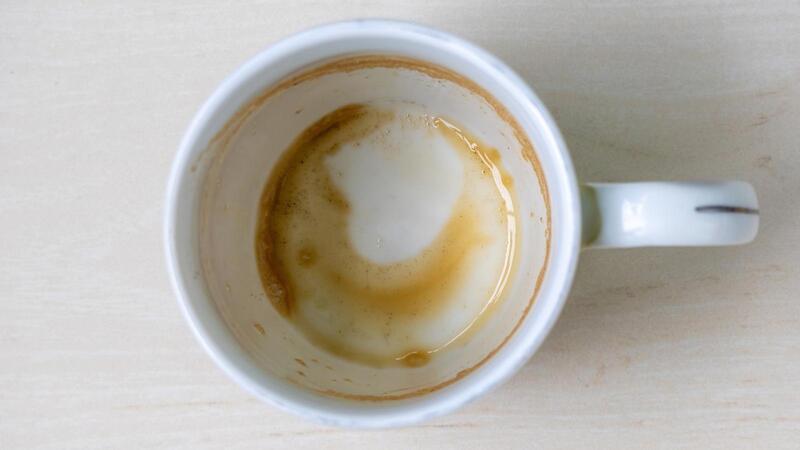
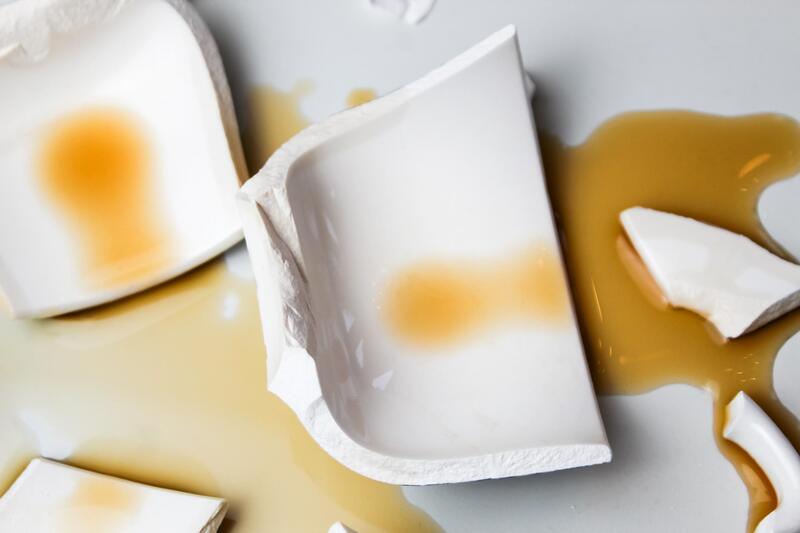
A properly made ceramic mug has a glaze that acts like a layer of glass. It is smooth and non-porous. This makes it easy to clean and very hygienic. When that glaze is broken by a crack, the raw ceramic underneath is exposed. This material is porous, like a very hard sponge. It will absorb tiny amounts of whatever liquid you put in it. This damp, sheltered environment is a perfect place for bacteria and mold to grow. No matter how well you wash the mug, you can't properly clean inside that tiny crack. This is a hygiene risk that many people overlook.
The Physical Risk
This is the danger that is easiest to understand. A crack is a fundamental weakness. The ceramic is no longer a single, solid piece. When you pour very hot liquid into the mug, the material expands rapidly. This event, called thermal shock, puts a lot of stress on the mug. All that stress will focus on the weakest point—the crack. The mug can break apart suddenly and without any warning. If it happens while you are holding it, you could be dealing with serious burns from the hot liquid and deep cuts from the sharp, broken ceramic pieces.
The Chemical Risk
The glaze on a mug does more than just provide a smooth, colorful surface. It also acts as a vital safety barrier. It seals the ceramic clay body away from you and your drink. For modern mugs manufactured under strict regulations like we follow for our European and American clients, the clay body is safe. But for very old, antique, or poorly made mugs from unknown sources, you cannot be sure. A crack could potentially allow materials from the ceramic body or even unstable elements from the glaze itself to leach into your hot beverage. An intact glaze is your best protection.
Why do manufacturers and businesses throw away cracked mugs?
You might think it is wasteful for a coffee shop to throw out a slightly cracked mug. It seems like a small flaw. But for a business, that small flaw represents a huge and unacceptable liability.
We and other businesses discard any cracked mugs for two main reasons: quality control and legal liability. From a production standpoint, a crack is a failure. For our business clients like retailers and cafes, a cracked mug is a safety hazard and a legal risk they cannot afford.

For a home user, replacing a single mug is a small decision. But for us as a manufacturer and for the businesses we supply, the decision is much bigger. It comes down to professional standards and risk management. There is no room for error when public safety is involved.
A Manufacturer's Commitment to Quality
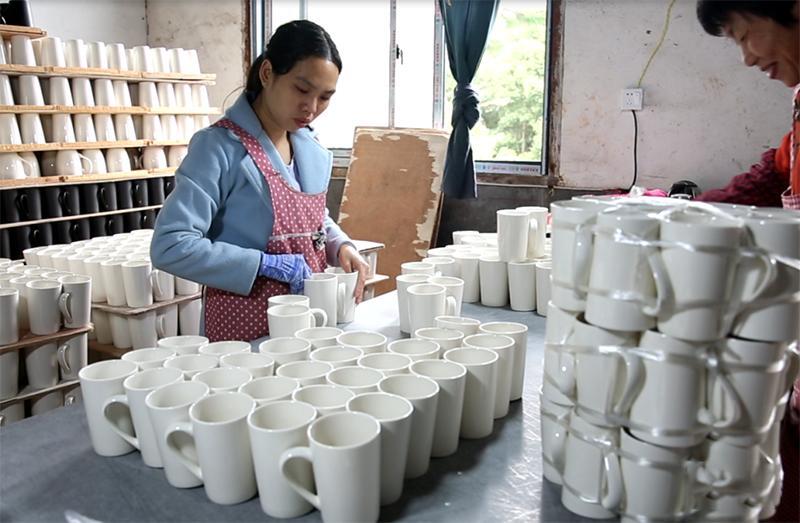
In my 15 years of exporting mugs, I can tell you that quality control is the heart of our reputation. When our QC team finds a crack, it is an immediate rejection. It does not matter how small it is. That crack tells us something may have gone wrong in our process. Maybe the clay mix was not perfect, the firing temperature was slightly off, or the glaze was not applied correctly. We cannot in good conscience ship a product that we know has a weakness. Our wholesale customers trust us to provide safe, reliable products. Our promise of high quality is how we build and keep that trust. A zero-tolerance policy for structural cracks is part of that promise.

A Business's Calculation of Risk
Now, put yourself in the shoes of a restaurant owner or a large retailer. Your customer's safety is your number one priority. If you serve coffee in a cracked mug and it shatters, causing injury, you are responsible. The potential cost of a lawsuit, negative reviews, and damage to your brand's reputation is enormous. Is it worth risking all of that to save a single $2 mug? The clear answer is no. For any professional business, the only sensible policy is to discard and replace any damaged tableware immediately. It is not about wasting one item; it is about protecting the entire business and every customer it serves. This is a core part of the safety standards we discuss with all our B2B partners.
Conclusion
In short, a cracked mug is never worth the risk. It is a hazard for bacteria, breakage, and potential contamination. For your safety and peace of mind, just replace it.