Many ceramic mugs on the market carry a "Microwave Safe" label. However, for retailers, importers, and private-label brands, relying solely on a printed symbol can be risky.
Product failures such as glaze cracking, overheating, or customer complaints can lead to costly returns, damaged brand reputation, and compliance issues.
The most reliable way to determine whether a ceramic mug is microwave safe is to evaluate its material composition, glaze quality, decoration method, and manufacturing controls.
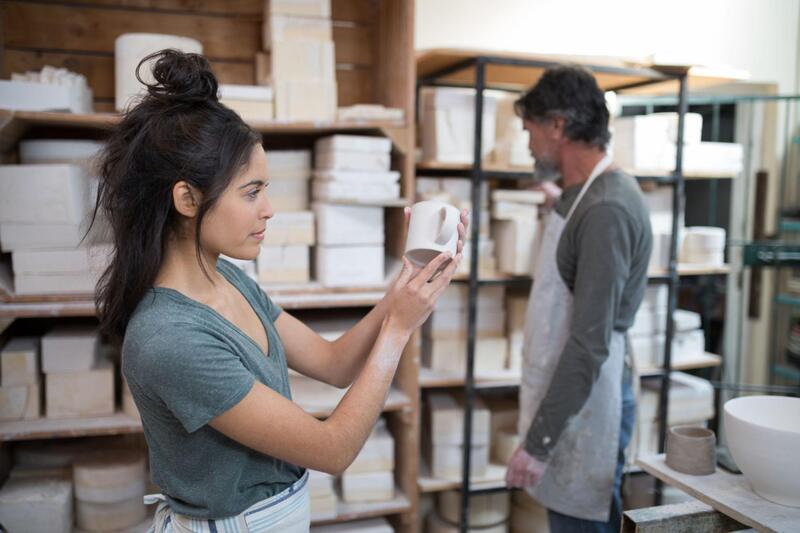
Caption: Inspecting glaze quality and surface integrity is the first step in evaluating microwave safety.
For professional buyers, microwave safety is not just a product feature—it is the result of a controlled manufacturing process.
What Is the Biggest Hidden Risk in a Microwave-Safe Ceramic Mug?
Many mugs perform well when new. However, one hidden defect can significantly reduce long-term microwave safety: glaze crazing.
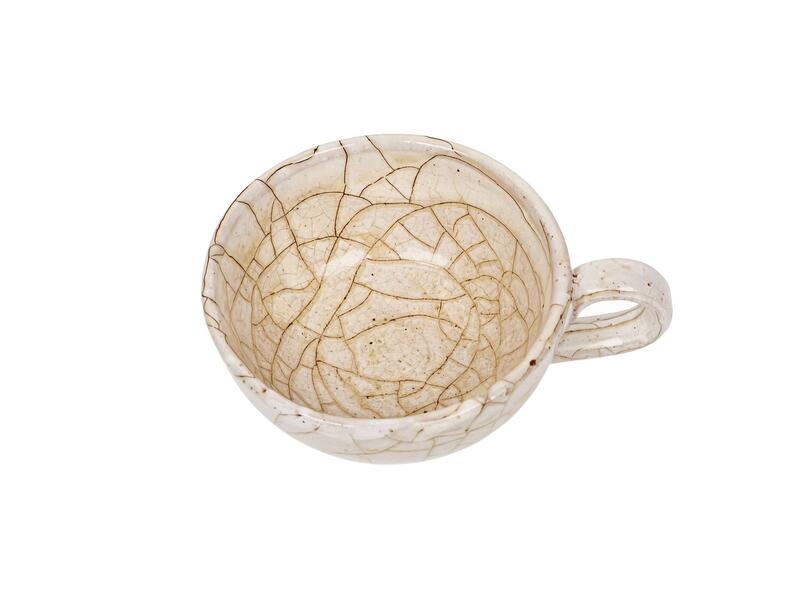
Caption: Crazing allows moisture to penetrate the ceramic body and increases the risk of microwave failure.
In ceramic manufacturing, crazing usually occurs when the thermal expansion rates of the clay body and glaze are not properly matched.
Feature High-Quality Mug Crazed Mug Glaze Surface Smooth and intact Network of micro-cracks Water Absorption Extremely low Increased moisture retention Durability Long-term stability Reduced service life Microwave Performance Consistent Higher risk of overheating Are Decorative Designs and Colors a Microwave Safety Concern?
Decorative finishes play a major role in both product appearance and microwave performance.
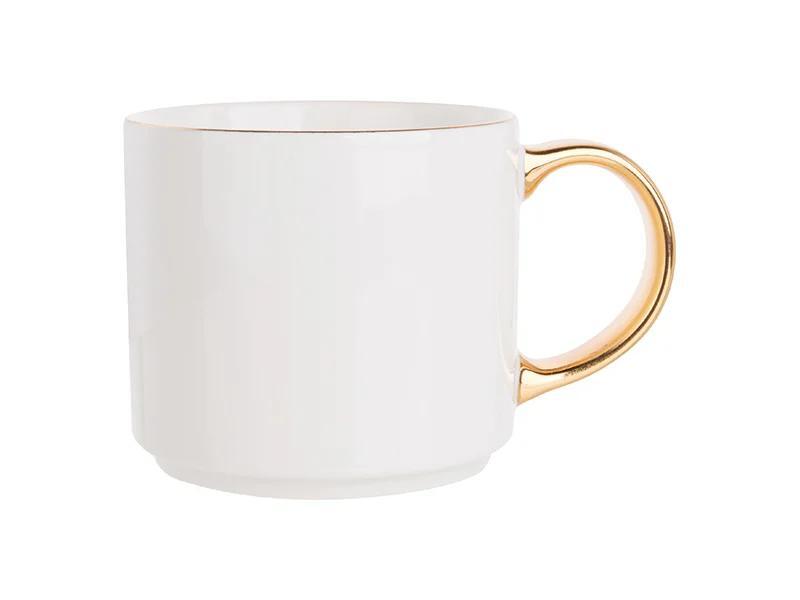
Caption: Metallic decorations such as gold and silver trim should never be used in a microwave.
However, not all decoration methods carry the same level of risk.
Overglaze Decoration
Overglaze decals are applied on top of the finished glaze and fired at lower temperatures.
Advantages:
Lower production cost Bright colors Flexible designs
Limitations:
Can wear over time Lower dishwasher durability Greater dependence on pigment quality Underglaze Decoration
Underglaze decoration is applied directly to the ceramic body before glazing.
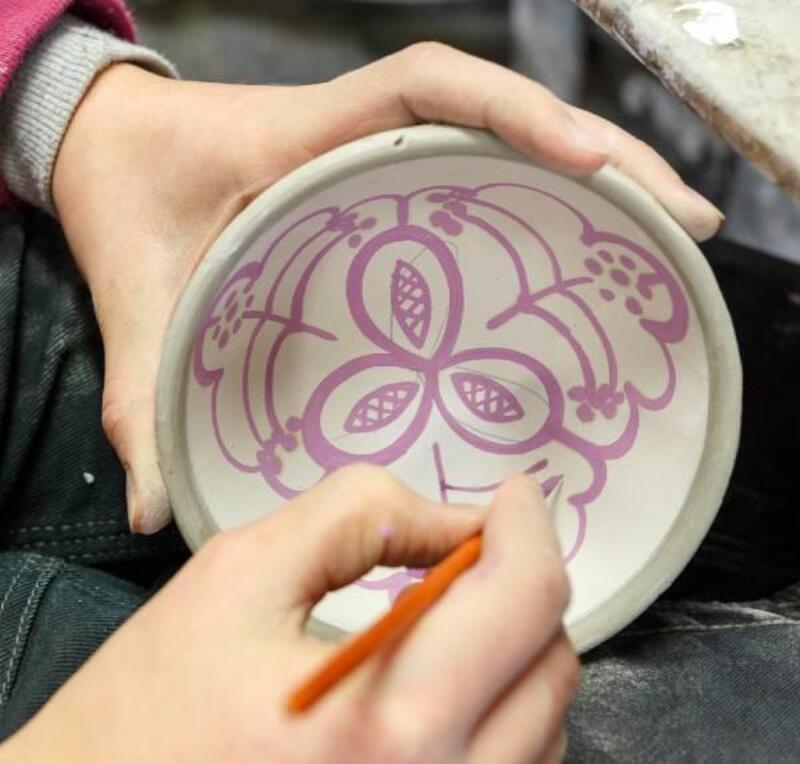
Caption: Underglaze decoration is permanently sealed beneath the glaze layer, providing superior durability and safety.
Advantages:
Permanently protected design Better scratch resistance Excellent microwave performance Preferred by premium retailers Decoration Type Position Microwave Safety Metallic Decoration On glaze surface Not Safe Overglaze Decal On glaze surface Depends on quality Underglaze Decoration Under glaze layer Generally Safe How Can Buyers Verify a Supplier's Microwave-Safe Claim?
A supplier may advertise all products as microwave safe, but professional buyers should always verify the supporting documentation.
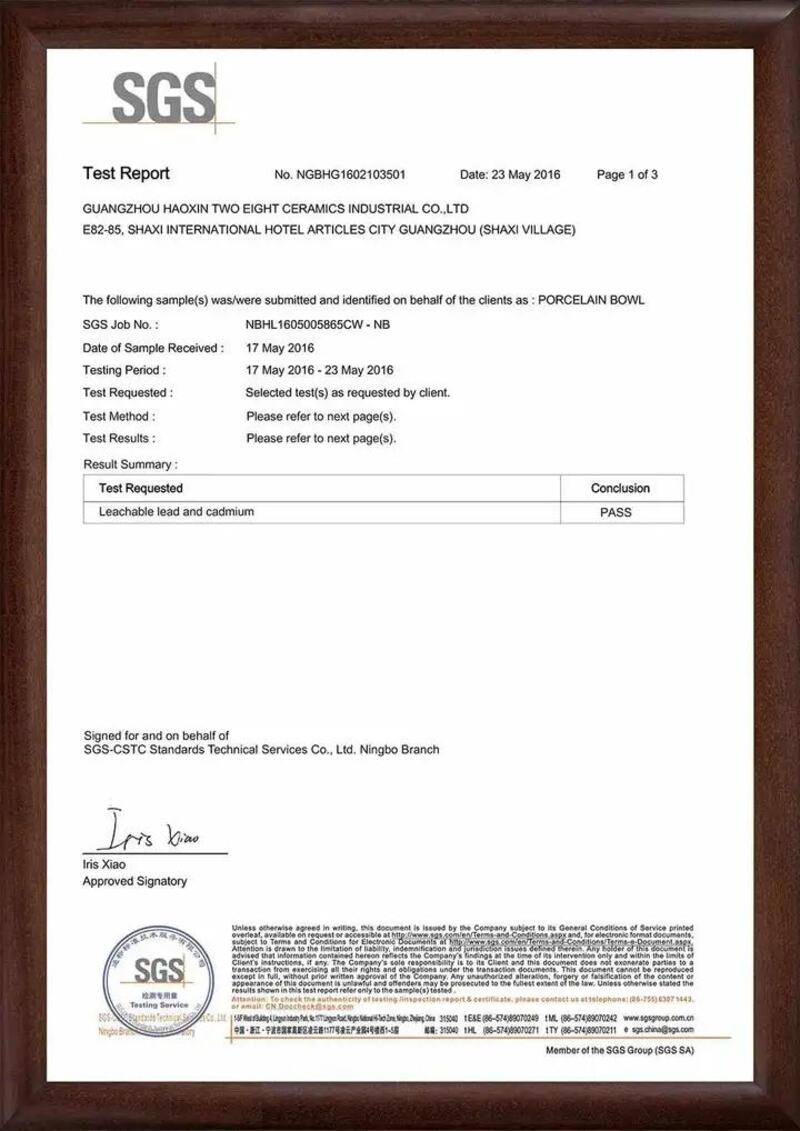
Caption: Professional manufacturers provide certification and third-party laboratory reports to support safety claims.
When evaluating ceramic mug manufacturers, request:
ISO 9001 Certification BSCI Audit Reports FDA Compliance Reports LFGB Testing Reports Lead & Cadmium Release Testing Food Safety Testing

Caption: Third-party laboratory testing verifies compliance with FDA, LFGB, and food-contact safety requirements.
Why Manufacturing Quality Matters More Than a Microwave-Safe Symbol
Many buyers focus on the microwave-safe icon printed on the bottom of a mug.
However, true safety depends on:
Raw material quality Low water absorption Stable glaze chemistry Proper firing temperatures Consistent quality control Third-party compliance testing
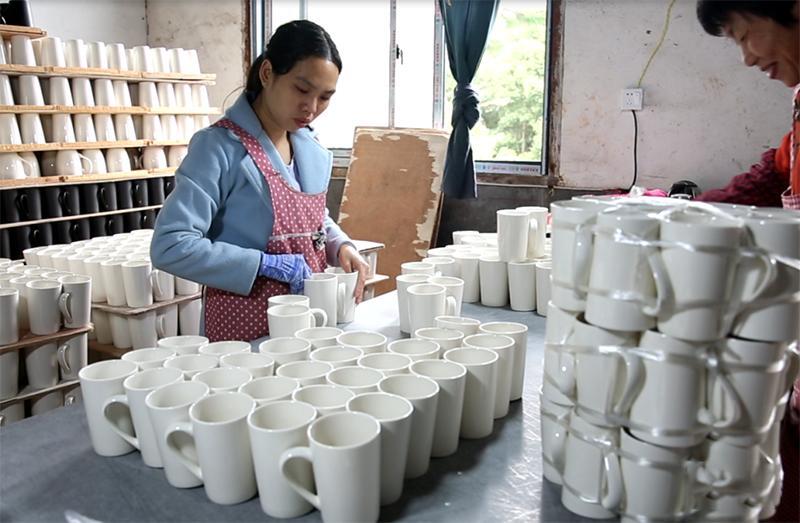
Caption: Consistent manufacturing controls are the foundation of microwave-safe ceramic mugs.
Safe Ceramic Mug Example
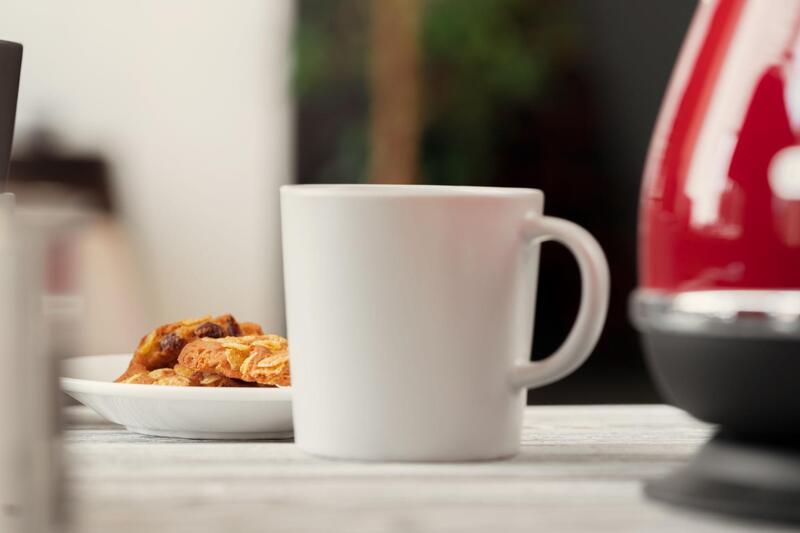
Caption: A well-manufactured ceramic mug with an intact glaze and no metallic decoration is generally microwave safe.
For retailers, distributors, and importers, evaluating microwave safety requires looking beyond the product itself.
A truly microwave-safe ceramic mug should feature a dense ceramic body, a fully sealed glaze free from crazing, and decoration methods suitable for microwave use. More importantly, it should be backed by documented quality systems, third-party testing, and internationally recognized certifications.
Conclusion
A well-made ceramic mug with an intact glaze and no metallic decoration is generally microwave safe.
For retailers, distributors, and importers, evaluating microwave safety requires looking beyond the product itself.
A truly microwave-safe ceramic mug should feature a dense ceramic body, a fully sealed glaze free from crazing, and decoration methods suitable for microwave use. More importantly, it should be backed by documented quality systems, third-party testing, and internationally recognized certifications.
When selecting a ceramic mug supplier, focus not only on the mug, but also on the manufacturing process behind it. Reliable production controls are the foundation of product safety, customer satisfaction, and long-term brand success.