Struggling with what "sustainable" truly means for your products? It's a confusing term that can make buying decisions feel like a risk. The real answer lies in durability and lifespan.
A ceramic mug's sustainability depends almost entirely on its durability and how many times it gets used. A well-made, durable mug used for years is highly sustainable. The key is choosing a mug designed for a long life, not just its material composition.
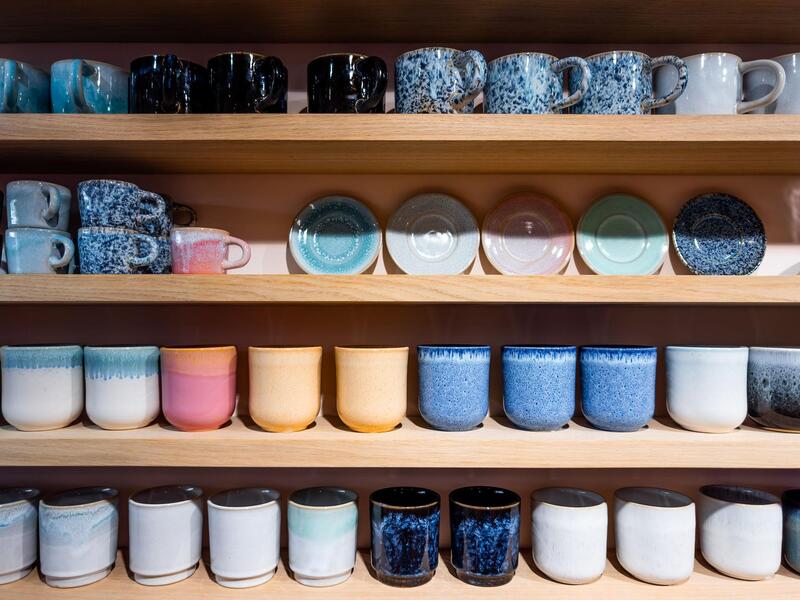
I've been in the ceramic mug business for over 15 years, talking to buyers from major supermarkets and wholesalers. The conversation about sustainability has changed. It's moved past simple material debates. Now, it's about real-world performance and risk. Smart buyers are asking different, better questions. Let's explore what those questions are and how they help you make a truly sustainable choice.
How Does a Mug's Lifespan Affect Its Sustainability?
Do you judge a mug's eco-friendliness by its raw materials? This often misses the biggest factor: waste from short-lived products. Focusing on lifespan provides a truer measure of sustainability.
A mug's lifespan is the most critical factor in its sustainability. Each use lowers its environmental impact per use. A mug used 1,000 times is far more sustainable than one used 10 times, regardless of the material. Longevity turns a product into a long-term asset.
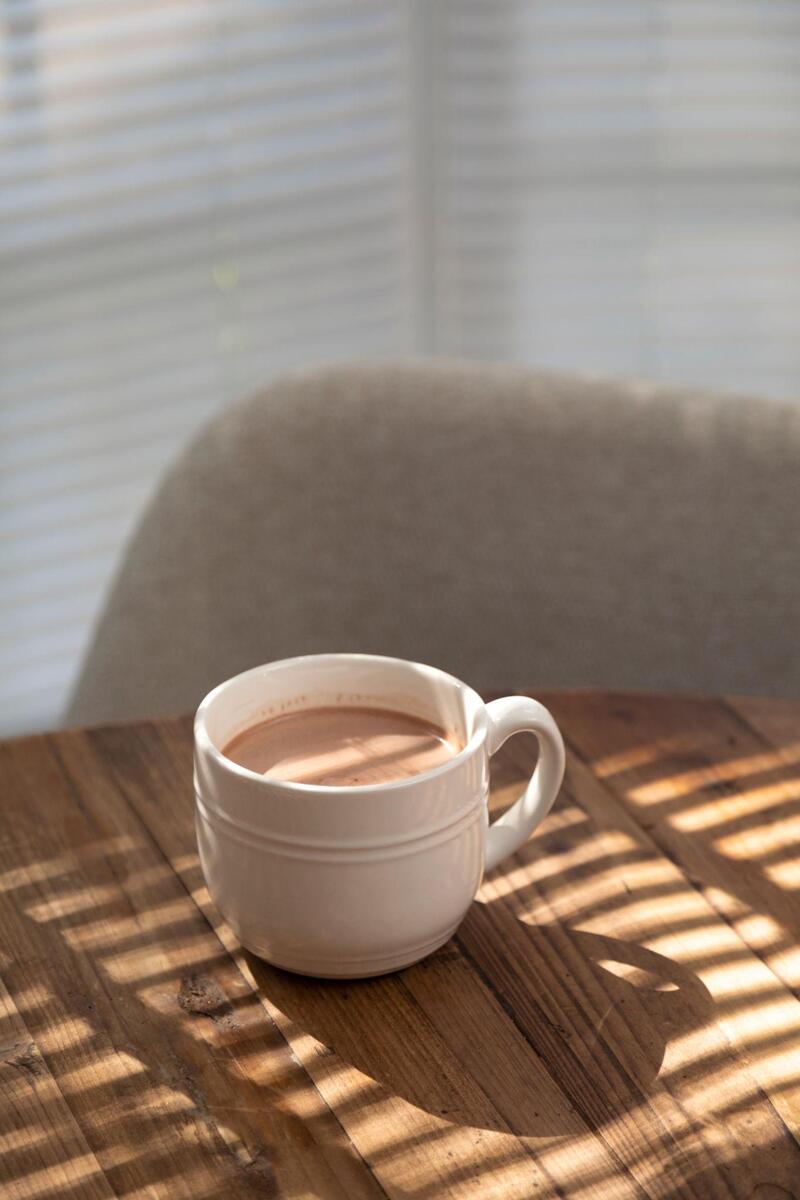
For 15 years, I've seen a pattern with professional buyers. The smartest ones don't just ask about materials. They ask about durability because they understand the concept of "environmental cost per use." Think about it this way: the energy, water, and resources used to make a mug are a fixed, upfront investment. The more you use that mug, the more you spread out that initial environmental cost. A mug that cracks after a few washes has a very high environmental cost per use. A sturdy mug that lasts for a decade has a tiny one.
The Sustainability Equation
The real math for sustainability isn't complex. It's about dividing the initial environmental impact by the number of uses. This simple framework helps you see past greenwashing and focus on what matters.
| Factor | Low-Durability Mug | High-Durability Mug |
|---|---|---|
| Lifespan | 3-6 months | 5+ years |
| Estimated Uses | ~100 | ~2000+ |
| Impact Per Use | High | Very Low |
| Result | More waste, more replacements | Long-term value, less waste |
This is why our focus as a manufacturer has always been on creating products that last. It’s the most honest and practical way to approach sustainability in our industry. It's about providing real, lasting value, not just a product for a season.
What Really Makes a Ceramic Mug a 'Good' Choice?
You need to know if a mug is safe and responsibly made. But supplier claims can be vague, leaving you unsure. The key is to look for concrete evidence, not just promises.
A "good" ceramic mug is one that is safe for food contact, built to last, and made by a responsible manufacturer. You can verify this through things like lead and cadmium test reports, quality certifications like ISO 9001, and social compliance audits like BSCI.
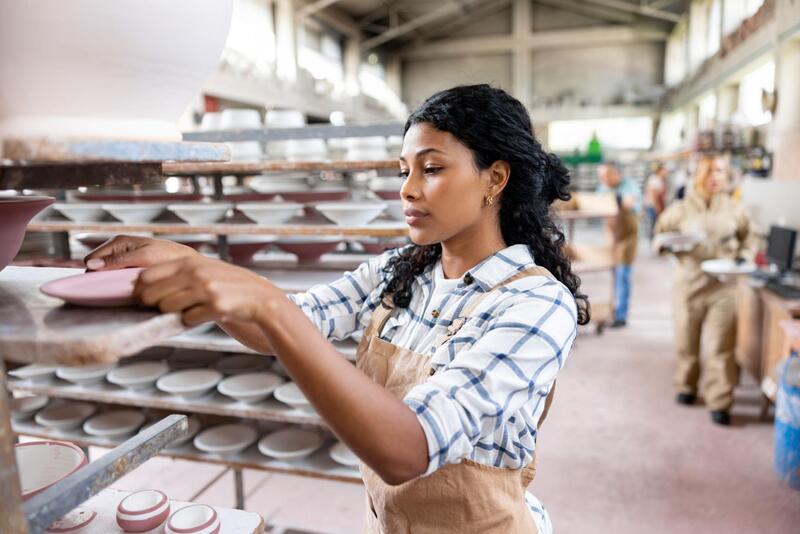
When a new buyer asks if our mugs are "good," I know they're really asking about risk. Is it safe for their customers? Will it last? Is the factory run ethically? These aren't just marketing points; they are the pillars of a good product. At our facility, we've built our processes around these three areas because they represent our commitment to our clients and their customers. We believe a good product is a safe and reliable one.
1. Verifiable Material Safety
This is non-negotiable. Any product that touches food must be proven safe. You should always ask for test reports confirming the product is free from harmful levels of lead and cadmium. This isn't a "nice to have"; it's a fundamental requirement for market access in regions like the EU and USA.
2. Design for Durability
A mug's construction determines its lifespan. We focus on features like thicker walls and rolled rims, which drastically reduce the chance of chipping and cracking in daily use. This is especially important for commercial clients like wholesalers whose customers expect a long-lasting product.
3. Manufacturing Responsibility
How a mug is made matters. Certifications tell a story. An ISO 9001 certification shows we have a strong quality management system to produce consistent products batch after batch. A BSCI audit shows we meet international standards for social compliance and ethical treatment of our workers. These aren't just badges; they are proof of a reliable, professional operation you can trust.
What Questions Should a Buyer Ask About Mug Sustainability?
Asking a supplier "Is your product sustainable?" often gets a vague 'yes'. This doesn't give you the facts you need. Asking better, more specific questions is the only way to get real answers.
Instead of asking if a mug is sustainable, ask for specifics. Ask "Can you provide the lead and cadmium test reports?" and "What is your ISO 9001 certification number?". Also ask, "What design features contribute to this mug's durability under commercial use?".

The best buyers we work with have shifted their approach. They've stopped asking vague questions and now ask pointed, operational ones. This method cuts through the marketing and gets to the core of what makes a reliable partner and a truly sustainable product. We welcome these questions because they show the buyer is serious and understands the business. It shows they are looking for a long-term partner, not just a one-time order. Here is the framework they use to get the information they need to make a low-risk, high-quality purchasing decision.
Questions About Safety & Compliance
- "Can you provide current test reports for lead and cadmium for this specific model?" This verifies safety and shows the supplier actively manages compliance. A professional supplier should have this information readily available.
- "What social and quality certifications do you hold? Can we see the documents?" This moves beyond claims to proof. We are always ready to share our ISO 9001 and BSCI credentials.
Questions About Durability & Lifespan
- "What is the expected service life of this mug in a commercial environment?" This forces the supplier to think about performance, not just appearance.
- "What specific design features make this mug resistant to chipping and breaking?" This question tests their product knowledge and commitment to durability. A good supplier can talk about wall thickness, glaze hardness, and handle construction.
Asking these questions changes the conversation from a sales pitch to a professional assessment of risk and quality.
Conclusion
True sustainability for a ceramic mug comes from choosing a durable, safe, and responsibly made product that will last for years, minimizing its environmental impact with every single use.