Are you sourcing ceramic mugs and getting confused by the options? It's frustrating when you're trying to make a smart purchase, but the technical terms feel overwhelming and unhelpful.
For a business buyer, the most important answer is this: ceramic mugs are made from different types of clay fired at high temperatures. The key isn't the specific clay name, but how the material's grade and production process impact its durability, cost, and finish for your specific commercial use.
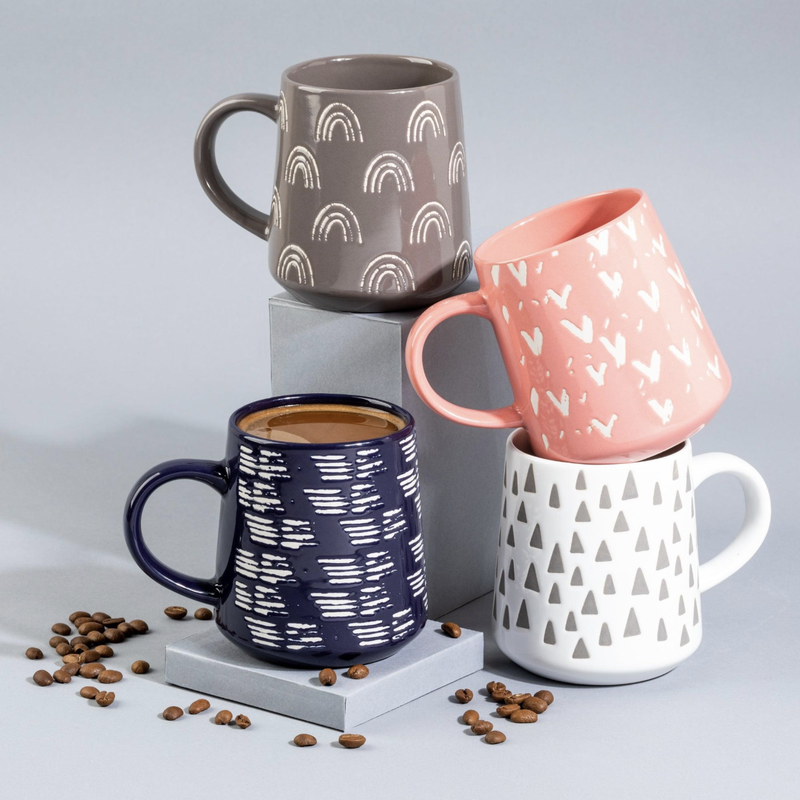
When our clients ask what our mugs are made of, I find the question often hides a more important one: "Which mug is the right choice for my business?" After 15 years of manufacturing and exporting mugs, I've learned that the conversation shouldn't start with material science. It should start with your needs. Are you a coffee shop needing thousands of durable, stackable mugs? Or are you looking for a premium promotional gift for your top clients? The answer to "What are they made of?" changes depending on your goal. Let’s break down what really matters when you're making a bulk purchase. This will help you ask the right questions and get a product that truly works for you.
How Does Material Choice Affect My Budget And Durability?
You need mugs that won't chip after a few uses, but you also have a budget to meet. It feels like you have to sacrifice quality for price, or vice versa.
The material is the biggest factor in both cost and durability. Stoneware, for example, offers great durability at a mid-range price, making it a workhorse for cafes. Porcelain is stronger and more elegant, but it comes at a higher price. Understanding this trade-off is key.
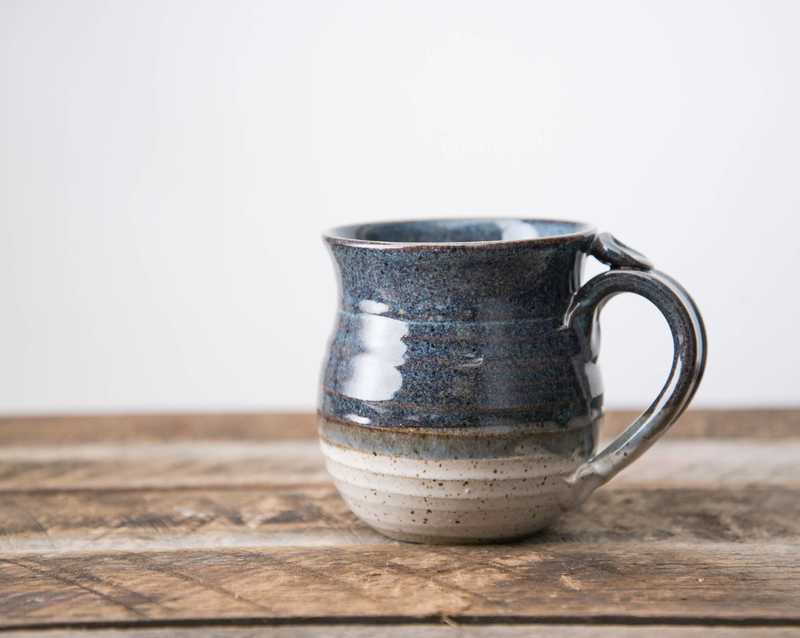
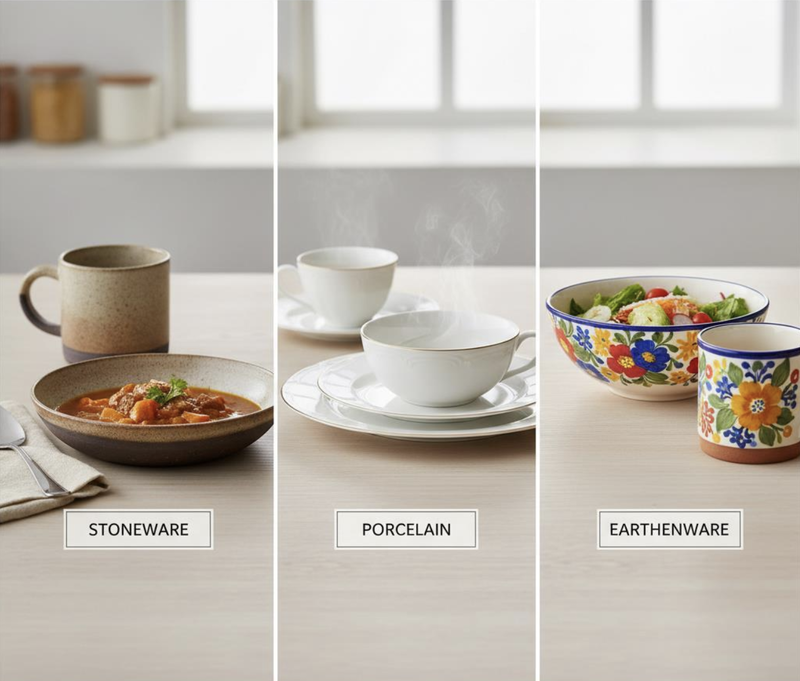
From a manufacturer's perspective, we don't see materials as "good" or "bad." We see them as solutions for different business problems. A procurement manager for a large hotel chain has very different needs than a wholesaler supplying gift shops. The most common materials you will encounter are earthenware, stoneware, and porcelain. Each represents a different balance of price, appearance, and strength. For instance, earthenware is the most affordable because it's fired at the lowest temperature. This makes it porous and less durable, so we rarely recommend it for high-use commercial settings. Stoneware is the mid-range champion. It’s fired hotter than earthenware, making it much more durable and chip-resistant. It's the go-to choice for most of our restaurant and cafe clients. Porcelain is the premium option. Fired at the highest temperatures, it becomes extremely dense, non-porous, and strong. This makes it ideal for high-end restaurants or corporate gifts where a sense of quality is paramount.
Here is a simple breakdown we use to guide our clients:
| Material Type | Price Point | Durability (Chip Resistance) | Common Business Use Case |
|---|---|---|---|
| Earthenware | Low | Low | Promotional giveaways, decorative items |
| Stoneware | Medium | Good | Restaurants, coffee shops, everyday retail |
| Porcelain | High | Excellent | High-end hospitality, corporate gifts |
| Bone China | Premium | Very Good (but thinner) | Luxury retail, fine dining |
Is The Clay Type More Important Than The Manufacturing Process?
You're comparing quotes, and one supplier says "porcelain" while another offers "high-fire stoneware." It's confusing, and you're not sure which one offers better value or performance.
The manufacturing process, especially the firing temperature and glaze quality, is just as important as the clay. A well-made stoneware mug can easily outperform a poorly made porcelain one. The real quality is in the details of the production, not just a name.
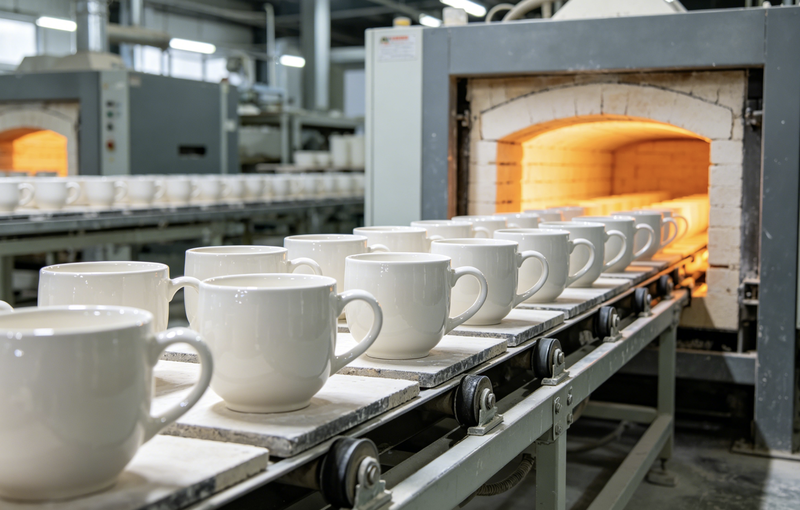
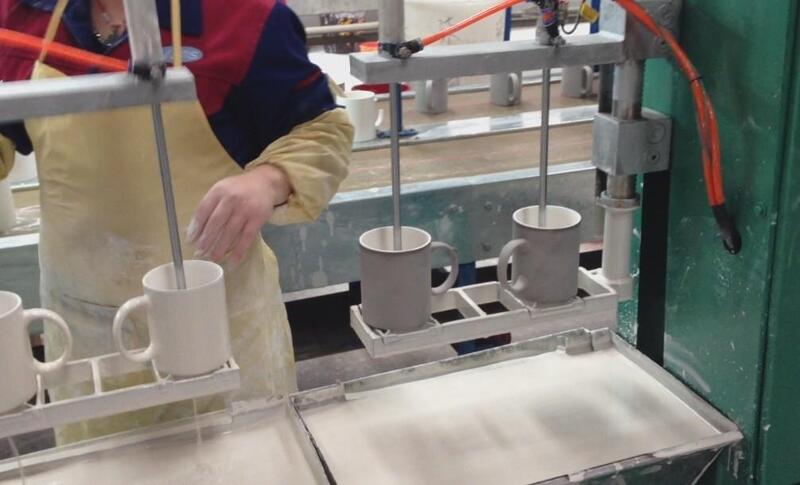
A common misunderstanding we see is buyers focusing only on the material name, like "porcelain." They believe it's a guarantee of quality. However, the process matters just as much, if not more. The key is vitrification, which happens during firing. This is when the clay particles melt and fuse together, making the mug solid, strong, and waterproof. A mug fired at a higher temperature will be more vitrified. That means it’s denser and less porous, so it won’t absorb water or flavors, and it will be much more resistant to chipping. We have seen mugs marketed as "porcelain" that were fired at low temperatures to cut costs. They look good initially but chip and crack easily. That's why we always tell our clients to ask about the firing temperature. A high-fire stoneware mug (fired above 1200°C) is often a much better investment for a busy cafe than a low-fire "porcelain" imitation. The glaze is another critical part. It's not just for color; it's a protective shield. A hard, properly applied glaze protects the mug from cutlery scratches and ensures your printed logo won't fade after 100 cycles in a commercial dishwasher.
How Does The Material Affect My Customization Options?
You have a beautiful, detailed company logo that you want printed on your mugs. You're worried it will end up looking blurry or wearing off, making your brand look cheap.
The material’s surface directly impacts which customization method will work best. Smooth, non-porous surfaces like porcelain are perfect for capturing fine details. Coarser materials might be better for simpler, bolder designs or different techniques like debossing.
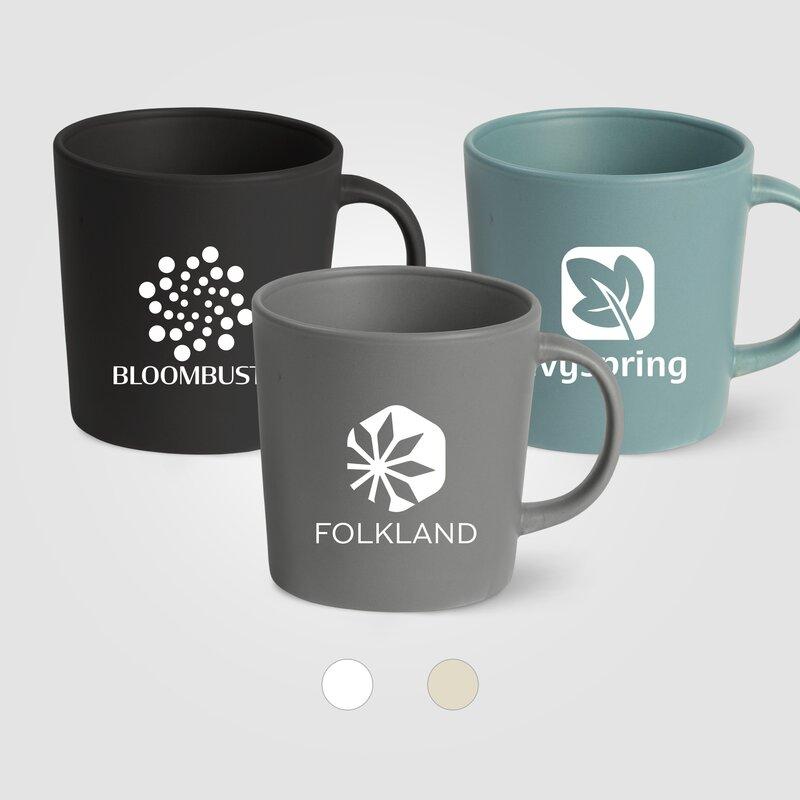
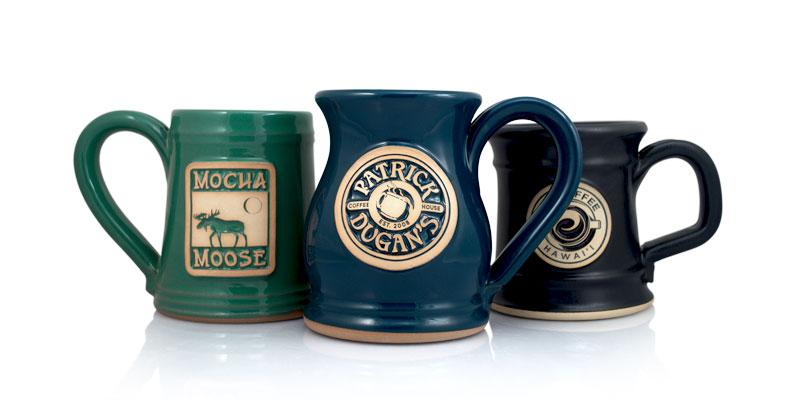
When our clients send us their artwork, the first thing we do is evaluate it against their chosen mug material. The two must work together. Think of the mug as a canvas. A smooth canvas allows for fine brushstrokes, while a textured canvas is better suited for bold, expressive work. It’s the same with mugs. Porcelain and bone china have a very fine, smooth surface. This is the perfect canvas for decal printing, which allows for highly detailed, multi-color logos with sharp lines and crisp text. If your brand has a complex logo, porcelain is often the best choice to ensure it's represented perfectly. Stoneware can have a slightly more textured or rustic surface. While great for a certain aesthetic, it can make it difficult to print very tiny text or intricate details clearly. For these mugs, we often suggest bolder logos, pad printing, or even debossing, where the logo is pressed into the clay. This creates a premium, tactile effect that works with the material's character instead of against it. It's about matching the branding to the medium for the best result.
Conclusion
Choosing the right mug is not about finding the "best" material. It’s about matching the mug's properties—its durability, cost, and finish—to your specific business goals and operational needs.