Sourcing mugs and getting lost in the ceramic versus porcelain debate? Choosing wrong can damage your budget and brand. Let's reframe this to focus on what really helps your business.
The best way for a buyer to tell isn't just by looking or tapping. Ask your supplier for technical data like firing temperature and water absorption rate. This information reveals true durability and quality, which are more critical for your business than a simple material name.
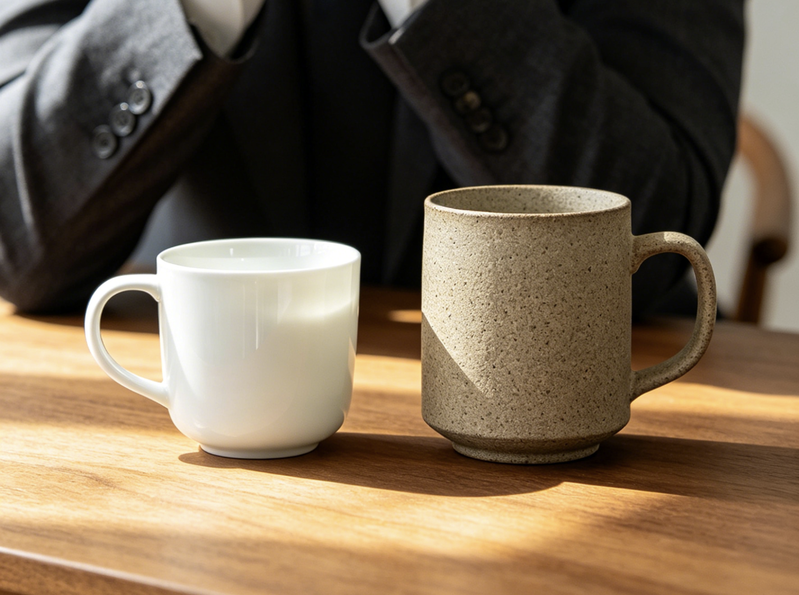
You've probably heard the old tricks: hold it up to the light, tap it with a spoon, feel how heavy it is. These are fine for a casual shopper at a flea market. But you're not a casual shopper. You're a professional buyer, and your decisions impact budgets, operations, and brand reputation. For a business making a large order, these simple tests are just the first page of a much longer story. Let's get into what you, as a procurement manager, really need to know to make a smart and safe investment.
Do the simple 'tap and look' tests even matter for my business?
Worried you'll look uninformed if you can't tell ceramic from porcelain by sight? This confusion can lead to a bad sourcing decision. Let's look at why professional buyers need more than these simple tests.
Yes, they offer clues. Porcelain is often lighter, thinner, and more translucent. It also makes a higher-pitched ring when tapped. However, these are not reliable enough for a large order. For a smart business decision, focus on verifiable data from your supplier.
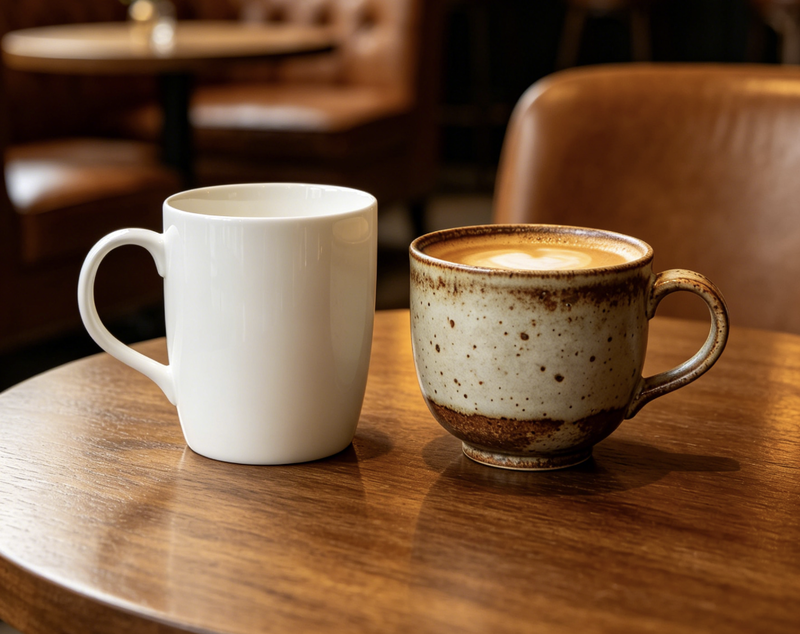
In my 15 years of exporting mugs, I've seen many new buyers get too caught up in these simple tests. They are a good starting point, but they are not the finish line. The "light test," where you see if light passes through, can be misleading. A thick-walled porcelain mug, designed for durability in a cafe, won't be very translucent. The "sound test," tapping the mug to hear a high-pitched ring, is also subjective. A well-made, high-fired stoneware mug can also have a clear ring. Modern manufacturing techniques can blur these lines significantly. The real "test" for a professional is in the paperwork. When we consult with a new wholesale client, we quickly move past these physical tricks and onto the data. It's less romantic, I know, but it's how you protect your investment.
Here's a breakdown of how a pro's thinking differs from a casual shopper's:
| Test Method | What It Suggests (A Guess) | What a Professional Asks For (A Fact) |
|---|---|---|
| Light Test | If it's translucent, it might be porcelain. | "What's the clay composition and firing temperature?" |
| Sound Test | A high-pitched ring suggests porcelain. | "What is the certified water absorption rate?" |
| Weight/Feel Test | A lighter, smoother feel could be porcelain. | "Can you provide your ISO9001 and BSCI factory audits?" |
This shift in questioning is everything. It moves the conversation from guesswork to guarantee.
How does the material choice affect my budget and brand image?
Are you afraid of overpaying for "premium" porcelain? Or are you worried that a cheaper ceramic will hurt your brand? This is a common fear. Let's break down the real cost and value so you can match your purchase to your brand.
Porcelain often costs more upfront because of purer raw materials and higher energy costs for firing. This creates a premium, durable product. Ceramic is usually more budget-friendly and gives a rustic, substantial feel. The choice is a strategic one about your brand and budget.
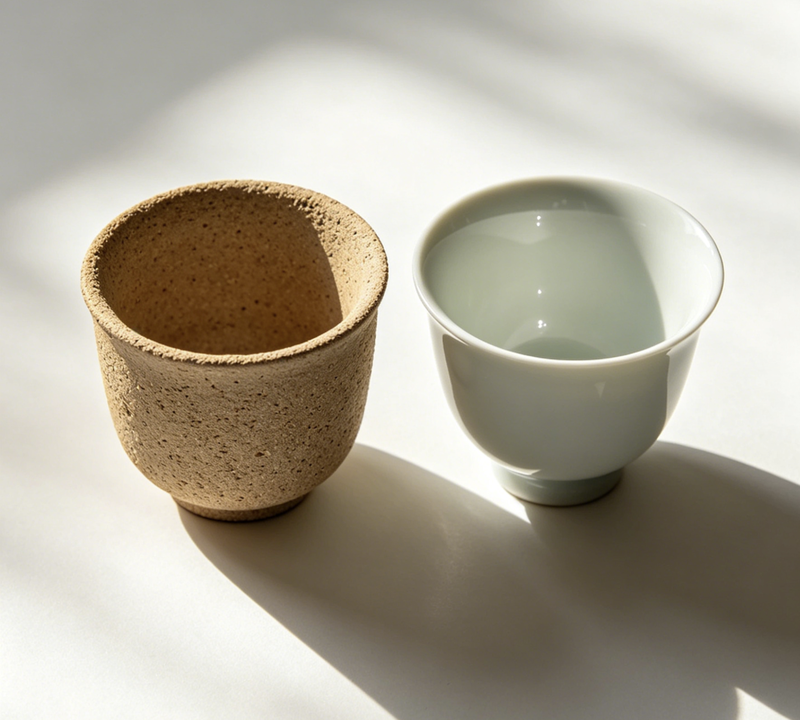
When our clients ask "which is better?", I always ask them, "What is your brand trying to say?". There is no single "better" material, only the "right" material for a specific job. For example, we work with several high-end hotel chains. We almost always guide them toward porcelain for their in-room coffee service. The thin rim, smooth feel, and lighter weight communicate luxury and attention to detail. It matches the high-thread-count sheets and the fancy soap. In this case, the higher upfront cost of porcelain is an investment in their brand image. On the other hand, we have a client who runs a chain of cozy, farm-to-table cafes. They chose a thick, heavy, speckled ceramic mug. It costs less per unit, but more importantly, it feels authentic, warm, and comforting in a customer's hands. It perfectly matches their brand. Choosing a thin porcelain mug would feel completely out of place. This is what I mean by a strategic decision. You're not just buying a cup; you're buying a feeling that a customer will associate with your business.
What questions should I ask my supplier to avoid getting the wrong product?
Are you tired of getting vague answers from suppliers about their products? This uncertainty is a massive risk for your business. I'll give you the exact questions that cut through the marketing fluff and protect your investment.
Don't just ask "Is this ceramic or porcelain?". Instead, ask for the technical specification sheet. Key questions are: "What is the firing temperature?", "What is the water absorption rate?", and "Can you provide your quality and social compliance certifications?".
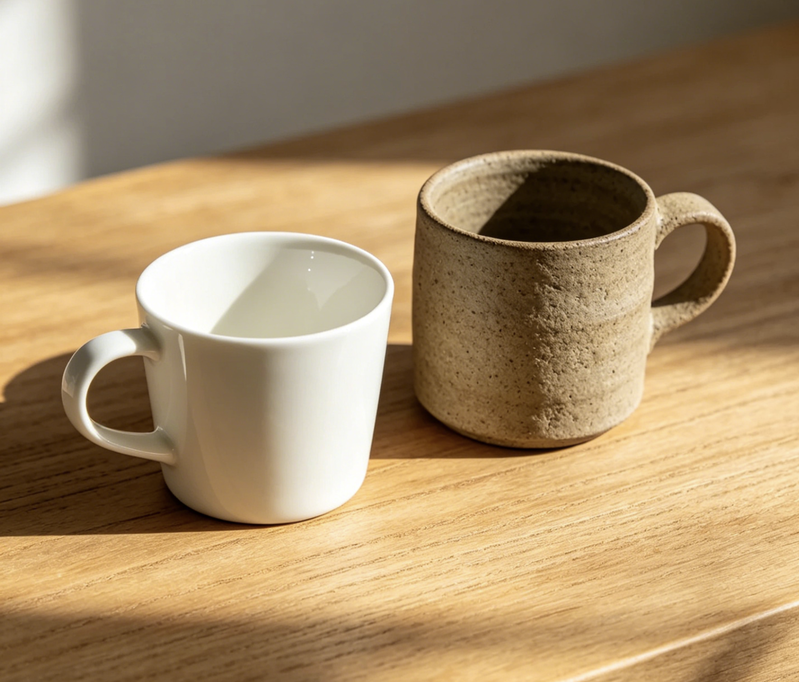
The biggest mistake a buyer can make is focusing on the material name instead of the material's performance. The real risk isn't choosing ceramic over porcelain; it's choosing an unreliable supplier who can't back up their claims. A good supplier will welcome these questions. Here’s what to ask and why:
-
"What is the firing temperature?" This tells you about durability. True porcelain is fired at very high temperatures, typically above 1,200°C (2,200°F). This process, called vitrification, makes the mug dense, strong, and non-porous. Lower-fired materials are softer and less durable.
-
"What is the water absorption rate?" This is the most critical question for any food-service product. The rate tells you how porous the material is. Porcelain should have a water absorption rate below 0.5%. Anything higher, and the unglazed parts of the mug (like the bottom ring) can soak up water, stains, and even bacteria. For our clients in the restaurant business, this is a non-negotiable safety and hygiene issue.
-
"Can you provide your certifications, like ISO9001 and BSCI?" As a manufacturer who holds these certifications, I can tell you they are not easy to get or keep. ISO9001 proves a factory has a reliable quality management system. BSCI shows they adhere to ethical social standards. Seeing these documents tells you you're dealing with a professional, responsible partner.
A supplier who hesitates or can't provide this data is a major red flag.
Conclusion
Ultimately, choosing between ceramic and porcelain is less about a simple tap test and more about a smart business decision based on your specific needs, budget, and brand.