Sourcing custom mugs seems easy, but hidden problems can ruin your launch. Wrong colors, peeling logos, and surprise costs can damage your brand and drain your budget.
Define your use case and sales channel first. Then, work backward across five elements: the mug body, decoration process, packaging, compliance, and logistics. This approach helps you control color, durability, total cost, and timing from the start.
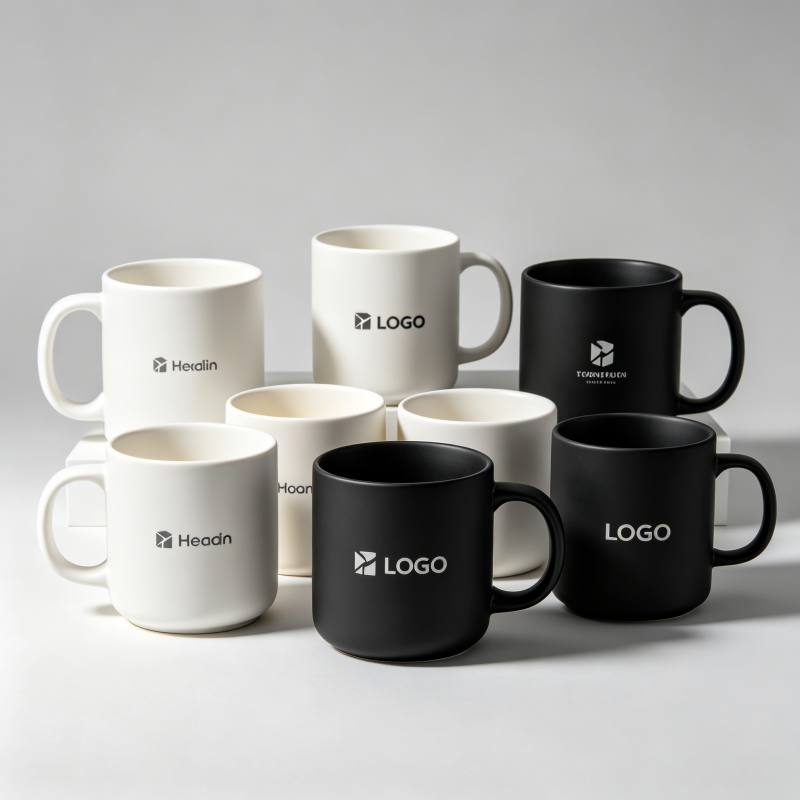
I've been in the ceramic business for over 15 years, right here on the factory floor in Liling. I’ve seen it all—the brilliant successes and the costly mistakes. It's not as simple as sending a logo and hoping for the best. But if you have the right framework, you can get a fantastic product that your customers will love. This guide is the framework I share with all my best clients. It's about taking control of the process so there are no surprises. Let's walk through it step-by-step.
How Does Your Customer's Use Affect Your Mug's Design and Durability?
You probably think a thicker, heavier mug is always a stronger mug. But if you choose the wrong decoration for how the mug is used, it will chip and fade anyway.
Match your mug's purpose to its design. A mug for a busy café needs a different process than a promotional giveaway. Durability comes from the right system of materials, firing, and design—not just thickness. Always get it tested before mass production.
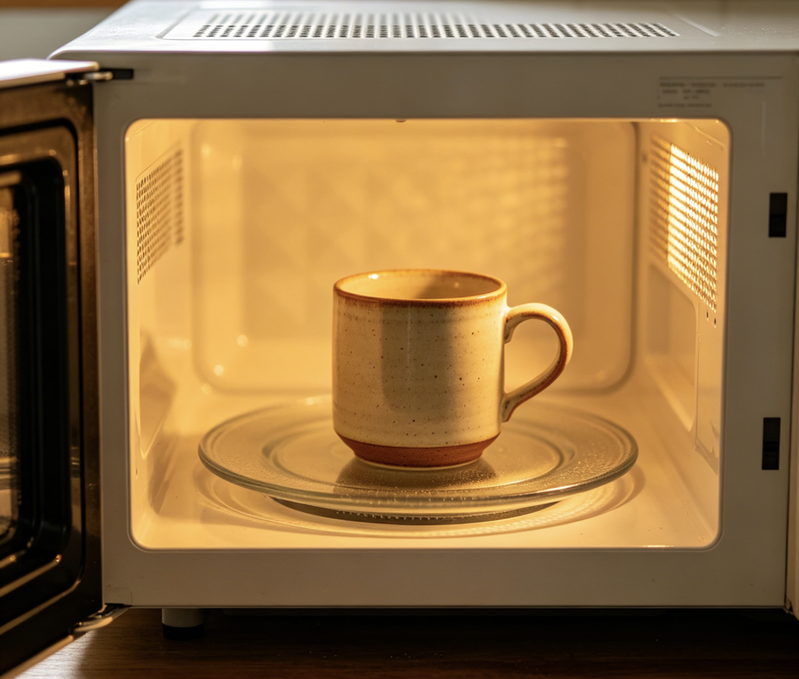
For years, people have told me, "Just make it thicker." But that's not the whole story. I've seen thick, heavy mugs chip easily because the glaze wasn't fired correctly. And I've seen lightweight, elegant mugs last for years in a commercial dishwasher. The secret is that strength is a result of the entire system working together. It starts with the clay formula, includes the shape of the mug (sharp angles can be weak points), and ends with the precise firing temperature and duration. Your job isn't to become a ceramic engineer. It's to tell your supplier how the mug will be used, so we can choose the right system for you. For example, a simple logo for an e-commerce brand that will be hand-washed has very different needs than a full-wrap design for a restaurant chain.
Here's a simple table to help you match the use case to the process:
| Use Case | Recommended Process & Considerations |
|---|---|
| Home/Office Use | High-Fire Decals or Underglaze: These are very durable and dishwasher-safe. Most common and reliable choice. |
| Busy Café/Restaurant | High-Fire Underglaze: This is the most durable option. The design is under a protective layer of glaze. It can withstand harsh commercial dishwashers. |
| Promotional Giveaway | On-Glaze Decals: Less expensive for complex colors, but not as durable. Fine for low-use items. Be honest about its purpose. |
| E-commerce Brand | High-Fire Decals with good packaging: Durability is important, but so is surviving shipping. The process is standard, but the packaging needs extra thought. |
| Gift with Metallic Accents | Real Gold/Silver Luster: This looks amazing but is not microwave-safe and should be hand-washed. It's a premium process for a premium gift. |
Before we run thousands of mugs, we always recommend testing. A simple "tape test" can check if a decal is properly adhered. We also run samples through dozens of dishwasher cycles to check for fading. It’s a small step that prevents big headaches.
How Do You Get Your Exact Brand Color on a Ceramic Mug?
You sent your factory the perfect Pantone code for your brand. But when the sample arrived, the color just looked... off. Now you're frustrated and worried about brand consistency.
Don't just email a Pantone code. High temperatures in the kiln change how colors look, so a perfect digital match is often impossible. The best method is to approve a physical color chip and agree on an acceptable range of shades before production starts.
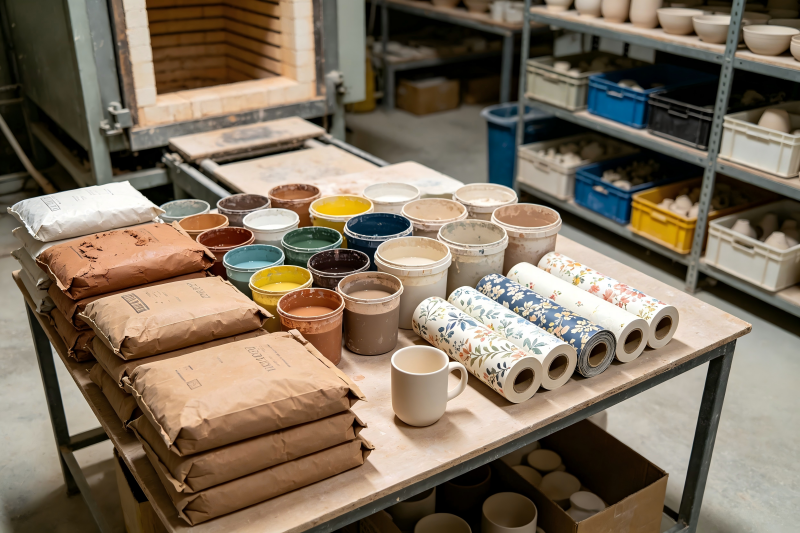
This is one of the most common issues we see. A client will send us a Pantone number, like the kind you use for printing on paper. But clay and glaze aren't paper and ink. When we fire a mug at 1,200 degrees Celsius, we're basically creating a chemical reaction. Some pigments just can't survive that heat and come out as the exact shade you see on a computer screen. Reds can be tricky, and some bright blues and purples are very difficult to stabilize. Promising a 100% Pantone match for a high-fired glaze is a promise I can't honestly make.
So, what’s the right way to do it? It’s a physical process.
- You give us your target color. A Pantone code is a great starting point.
- We create physical samples. My team will mix several glaze formulas to get as close as possible. We apply these glazes to small ceramic tiles (we call them color chips) and fire them.
- You approve the physical chip. We mail these chips to you. You need to see and hold the color in person, under the lighting where your product will be sold. A photo on a screen will not work due to monitor differences.
- You sign off on the "master" sample. You pick the chip you like best. We then agree that this is the target color. We might also agree on a "lightest" and "darkest" acceptable version, because there will always be tiny variations from batch to batch.
This signed-off master chip becomes our guide for quality control on your first order and all future reorders. It takes the guesswork out of color and ensures you get what you approved.
Why Does a Small Batch of Custom Mugs Cost So Much?
You want to start with a small test order of 250 mugs for your new brand. Then the quote arrives, and the per-unit price is way higher than you expected, full of "setup fees."
Small batches have high per-unit costs because many factory expenses are fixed. Creating screens for your logo or setting up a specific glaze costs the same whether we make 100 mugs or 5,000. These fixed costs get divided by the number of units.

It's a common point of confusion. The truth is, a lot of the work happens before the first mug is even made. This is what we call "setup." If your logo has three colors, we have to create three separate screens for the decal printing process. That’s a fixed cost. If you want a special glaze on the inside and a different one on the outside, that requires a whole separate production step and cleanup. That’s another fixed cost. Firing a giant kiln uses a massive amount of energy, and the cost is the same whether it's half-full or completely full.
When we quote a large order of 5,000 mugs, we spread those setup costs over all 5,000 units, so the cost per mug is tiny. When you order 250, those same setup costs are divided by only 250, making the per-unit price much higher. It's the economic reality of manufacturing. That’s why most factories have a Minimum Order Quantity (MOQ). Below that number, it’s just not economical for us or for you.
When you budget, never just look at the FOB price per mug. You need to think about the Total Landed Cost.
- Unit Price: The base cost per mug.
- Setup Fees: For decal screens, special processes, etc.
- Sampling Fees: To create your pre-production samples.
- Compliance Testing: Lab fees to certify the mug is safe for your market.
- Freight: Shipping from our factory in China to your door.
- Duties & Taxes: Import costs charged by your government.
Understanding this helps you budget realistically and see why a higher MOQ often leads to a much better price per piece.
How Can You Avoid Disasters and Delays in Your Mug Production?
You found a supplier online with an amazing price and quickly placed your order. Now, communication is slow, you have no idea what's happening, and you're terrified the final product will be a disaster.
A predictable, step-by-step workflow is your best insurance against risk. It is far more valuable than just shopping for the lowest price. Following a clear approval process at each stage is what separates a smooth production run from a costly failure.
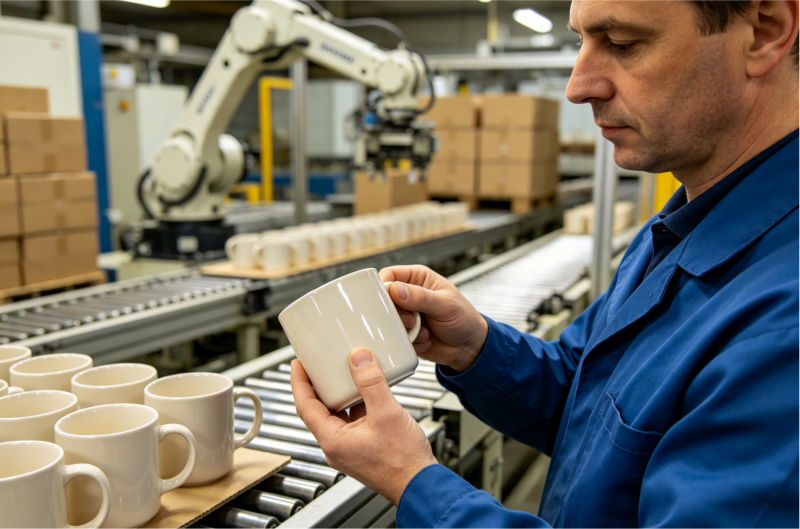
Over the years, I've seen that the clients who have the smoothest experience aren't the ones who get the rock-bottom price. They're the ones who insist on a transparent and logical production process. Price shopping is risky because to give you that low price, a factory might be cutting corners on materials, testing, or inspections. A good partner will walk you through a clear workflow where you give approval at every critical stage. This prevents big, expensive surprises at the end.
This is the "no-surprise" workflow I insist on with my clients:
- Brief & Feasibility: You send us your complete design idea. We give you honest feedback on what is possible, what is risky, and the potential costs.
- Lab Dip / Color Chip Approval: We tackle the most difficult part first—color. You approve a physical color sample before we do anything else.
- Pre-Production Sample (PPS) Approval: We make one complete, final mug for you. It's made with the final materials and processes. You approve this "golden sample" before we start the main production run.
- Third-Party Testing: While the PPS is being made, we send samples to an independent lab (like SGS or Intertek) to test for food safety (e.g., FDA, LFGB) and heavy metals (e.g., California Prop 65). This gives you the certificate you need to import and sell legally.
- Mass Production: Only after you approve the PPS and we see passing lab tests do we begin producing your full order.
- Pre-Shipment Inspection (PSI): Before the mugs leave my factory, you (or an inspector you hire) have the right to inspect the finished goods to make sure they match the PPS you approved.
This process takes time, but it protects you. It puts you in control and ensures the product that arrives at your warehouse is exactly what you wanted.
Conclusion
Need Help Sourcing Custom Ceramic Mugs?
Whether you're launching a private label collection, supplying a supermarket, or developing promotional drinkware, our engineering and production teams can help you:
✔ Recommend the right mug body for your market ✔ Match your Pantone colors with fired ceramic samples ✔ Produce pre-production samples before mass production ✔ Arrange FDA / LFGB / Prop 65 testing ✔ Perform professional QC inspections ✔ Ship worldwide with export-ready packaging
Contact us today to discuss your project and request a free quotation.