The best choice depends on your business model. A manufacturer offers price and customization control, ideal for large orders. A trading company provides flexibility and lower minimums, which is better for new sellers or smaller quantities. It's about matching your needs, not finding a single "better" option.
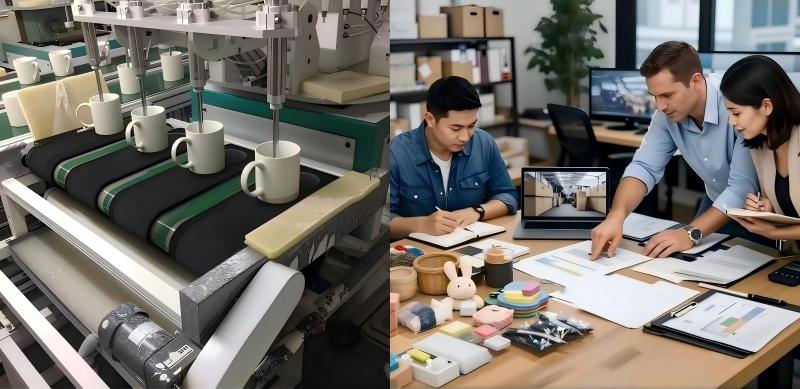
As a manufacturer with 15 years of experience, one of the first questions we get from new buyers is about our identity: "Are you a factory?" I understand the concern. You want to work with a reliable source and get the best deal. But I've learned that this is often not the most important question. The real question you should be asking is, "Which supplier model is the right fit for my business?" The answer can mean the difference between a smooth, profitable product launch and a logistical nightmare. Let's break down how to make the right decision for you.
Does Your Order Volume Justify Going Direct to a Factory?
You want the best possible price for your ceramic mugs, which often means going direct to a factory. But their high minimum order quantities feel like a huge risk.
For large orders of several thousand units per design, a factory is your most cost-effective choice. For smaller test batches, a trading company's lower minimums and product variety offer a safer, more flexible starting point for your business.
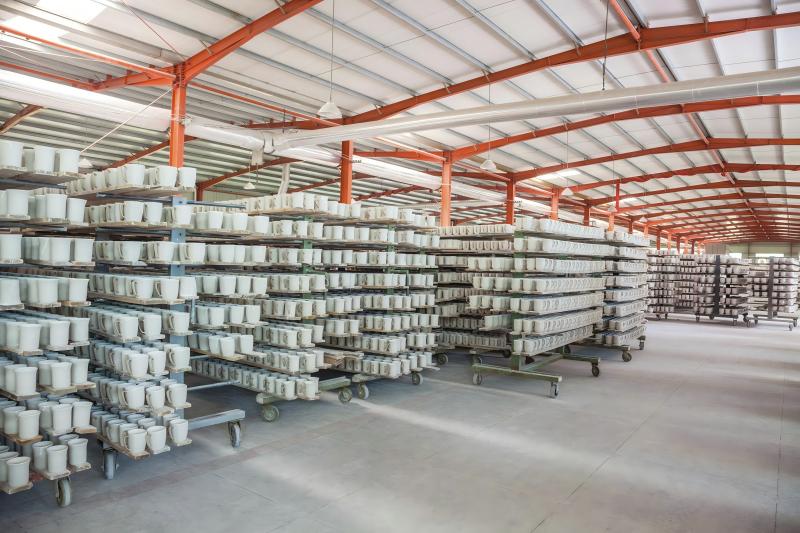
In our factory, the conversation is very different depending on who we're talking to. An established wholesaler in the US might order a full container with 20,000 mugs, spread across four custom designs. A new e-commerce seller from Germany might ask if they can order 300 pieces to test the market. For the wholesaler, working directly with us makes perfect sense. They get the best unit price, which is critical for their profit margins. But for the new seller, our factory's Minimum Order Quantity (MOQ), which is usually a few thousand pieces, is simply too high.
Why do factories have high MOQs? It's not to be difficult. It's about efficiency. Setting up a production line, preparing the raw materials, and firing the kiln all have fixed costs. We need a certain volume to make the production run viable and keep prices competitive. A trading company, on the other hand, can combine small orders from several different customers to meet a factory's MOQ. This is a valuable service. Here’s a simple way to think about it:
| Buyer Profile | Typical Order Size | Recommended Supplier | Why? |
|---|---|---|---|
| New E-commerce Seller | < 1,000 units | Trading Company | Lower financial risk and cash flow friendly. Great for testing the market. |
| Growing Online Brand | 1,000 - 5,000 units | Evaluate Both | You might meet a factory's MOQ, but a trader could still offer more product variety. |
| Established Wholesaler | 5,000+ units | Manufacturer | You get the best pricing, direct control over production, and maximize your profit margin. |
How Complex is Your Customization, and Who Can Handle It Best?
You have a unique design for your ceramic mug, and it needs to be perfect. You worry about communicating your vision clearly and getting all the details right from so far away.
For complex customizations like new mold shapes or unique glazes, working directly with a manufacturer provides direct access to our technical team. For simple logo prints on a standard mug, a good trading company can manage the process very effectively.
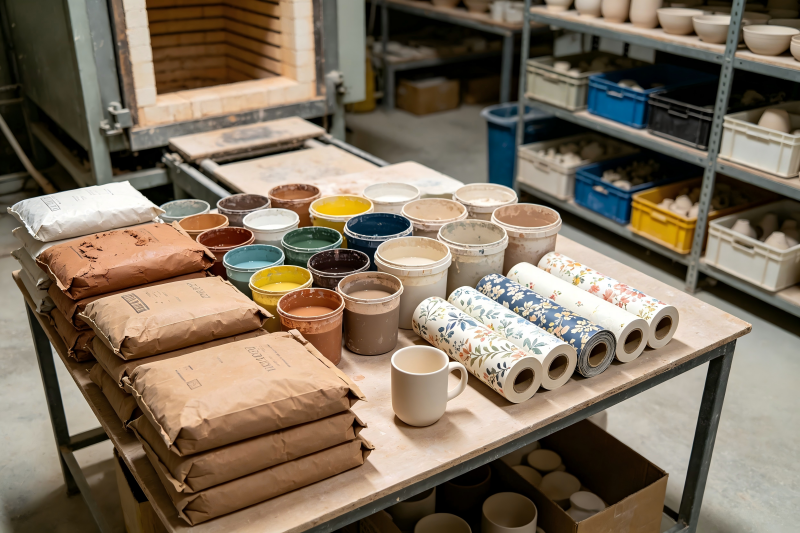
Customization means different things to different people. It's important to know what level of complexity your project requires, as this heavily influences your choice of supplier. We see customization requests on a spectrum.
Levels of Customization
- Simple Customization (Logo/Decal): This is the most common request. You have a standard mug shape and want to add your brand's logo or a simple design. Both a factory and a trading company can handle this well. A trading company might even be faster if they have a network of printing workshops they work with for small, quick jobs.
- Medium Customization (Custom Glaze/Color): This is where direct communication starts to matter more. Let's say you need a very specific Pantone color with a matte finish. When you work with us directly, you are speaking with the people who actually mix the glaze. I remember a client who wanted a unique speckled finish. We went through three rounds of physical samples, adjusting the glaze formula each time, until it was perfect. This direct feedback loop is much harder when there is a middleman translating technical details.
- Complex Customization (New Mold/Shape): If you are developing a completely new mug from scratch, you need to work with a factory. This process involves technical drawings, creating new tooling (molds), understanding clay shrinkage during firing, and multiple rounds of prototyping. Our engineers are on-site to manage this entire process. A trading company would only be passing messages back and forth, which can lead to costly mistakes and long delays.
Are You Asking the Right Questions to Avoid Risk?
You're afraid of being misled by a supplier who says they are a factory but isn't. This fear can paralyze your decisions and make you waste time on endless vetting.
Stop asking "Are you a factory?" and start asking capability-based questions. Questions about quality control processes, certifications, and communication protocols will reveal a supplier's professionalism and reliability, which is more important than their label.
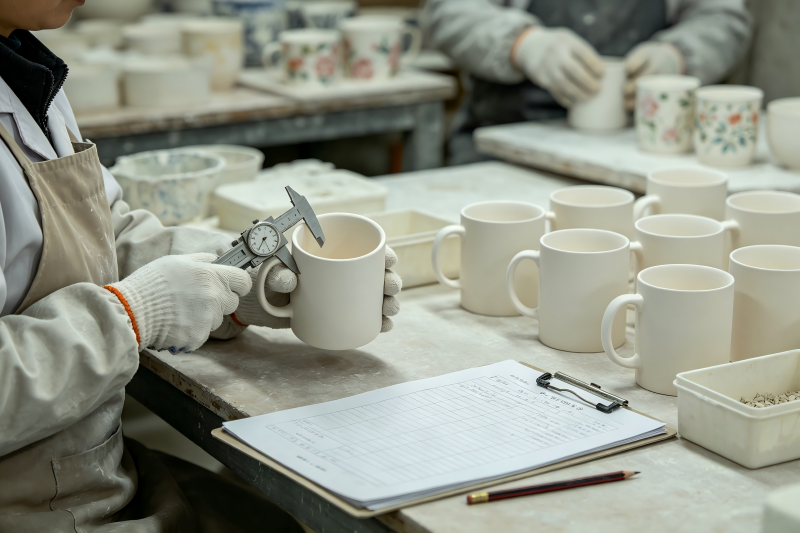
I understand the fear of being "tricked." So many buyers start a conversation with "Are you a factory?" The problem is, anyone can say "yes." A much better approach is to ask questions that force the supplier to demonstrate their capability and professionalism. The answers will tell you everything you need to know. A great trading company is a far better partner than a bad factory. Your goal is to find a great partner, period.
Better Questions to Ask Your Potential Supplier
Instead of the yes/no factory question, try asking these open-ended questions during your vetting process:
- "Can you walk me through your quality control process for an order like mine?" A factory should be able to describe their on-line inspections (checking for defects during production) and final inspections. We, for example, have inspectors at the molding, glazing, and packing stages. A trader should describe their process for hiring a third-party inspection agent and how they communicate the results to you.
- "Who will be my single point of contact for production updates and shipping?" A professional organization, whether a factory or a trader, will assign you a dedicated sales representative or project manager. A disorganized supplier will give you vague answers. You need one person you can rely on for clear communication.
- "Could you please provide a copy of your business license and any quality certifications, like ISO9001 or BSCI?" This is non-negotiable. A legitimate company will share these documents readily. We are proud of our ISO9001 and BSCI certifications because they show our commitment to quality and ethical standards. If a supplier hesitates, it's a major red flag.
The answers to these questions will give you a clear picture of a supplier's competence, transparency, and structure.
Conclusion
The right choice is about your business model—your volume, customization needs, and experience. Evaluate your own needs first, then find the partner who aligns with them to ensure success.