Feeling lost trying to import ceramic mugs? You worry about poor quality, hidden costs, and surprise delays. I'm here to guide you through the process, the right way.
Successfully importing mugs from China means choosing the right partner, not just the lowest price. It involves clear communication on specs, understanding all costs, and planning for compliance and logistics from the start to avoid expensive mistakes.
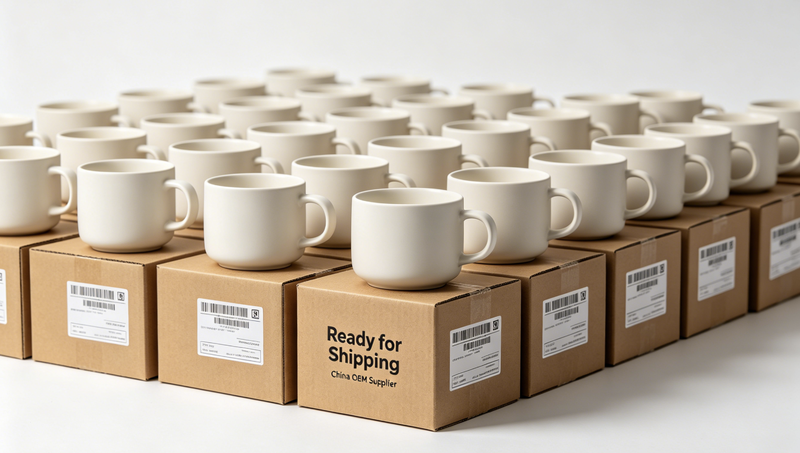
For the last 15 years, my factory in Liling has been shipping ceramic mugs all over the world. I've talked to hundreds of buyers, from big wholesalers to brand-new e-commerce sellers. A common mistake I see is people treating importing like a simple shopping trip. They think it's a checklist: find a supplier, get a price, place an order. But the buyers who build successful, lasting businesses know the secret. It’s not about following a list; it’s about making smart decisions at every single step. Let’s walk through what those decisions are, so you can turn a risky task into a profitable partnership.
How Do You Find a Reliable Supplier and Not Just a Cheap Price?
Chasing the lowest price per mug feels smart, but it often leads to terrible quality and communication headaches. You need a partner you can actually trust.
Look past the price list. A reliable supplier asks you smart questions about your business and your market. They have certifications like BSCI and ISO9001, and they communicate clearly. This shows they are serious about quality and partnership.
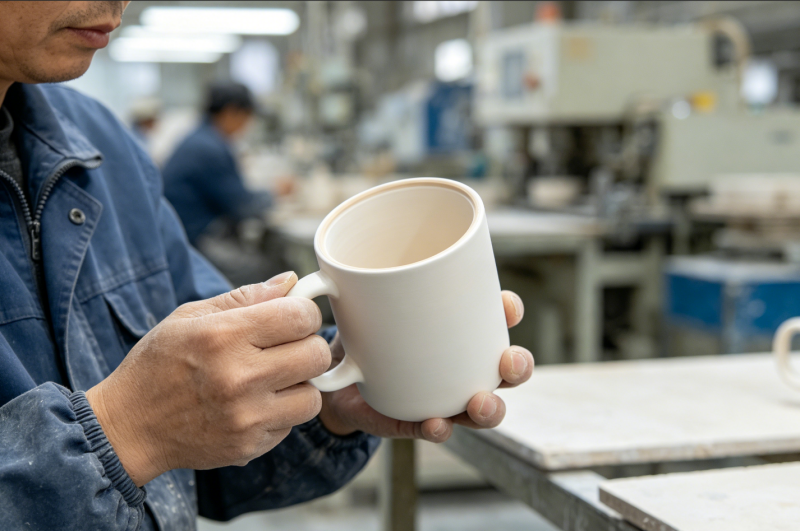
The first sign of a great supplier is the questions they ask you. If you send an inquiry and just get a price list back, be careful. A true partner wants to understand your project to prevent problems before they start. When a new client contacts me, I don't just give them a price. I ask questions like: "Where will you be selling these mugs?" and "Are they for a coffee shop, a promotional event, or for retail?" The answers tell me what you really need. A mug for a busy cafe needs a super durable glaze and a comfortable handle. A promotional mug might need a very specific color to match a brand logo. A cheap supplier won't ask these questions. They'll just make the cheapest product possible, which might not be right for your customers.
What Certifications Actually Mean
You'll see letters like ISO9001 and BSCI on factory websites. They aren't just for show. They tell you how a factory operates.
-
ISO9001 (Quality Management): This means the factory has a system. We follow specific, documented steps for everything from receiving raw materials to packing the final order. For you, this means consistency. The 10,000th mug should look just like the first sample you approved. It reduces the risk of bad surprises.
-
BSCI (Business Social Compliance Initiative): This is about people. It means our factory is regularly audited to make sure we treat our workers fairly and provide a safe workplace. For your business, this protects your brand's reputation. You can confidently tell your customers that your products are made ethically.
A supplier who invests in these certifications is investing in their business and in your success.
What's the Real Total Cost of a Custom Ceramic Mug Order?
You got a fantastic price per mug, but then the final bill arrives with a bunch of extra fees. These hidden costs can completely wipe out your profit margin.
The real cost is much more than the per-mug price. You must budget for one-time mold fees if you have a custom shape, sample costs, lab testing for safety rules, and shipping. Always ask for a complete cost breakdown upfront.
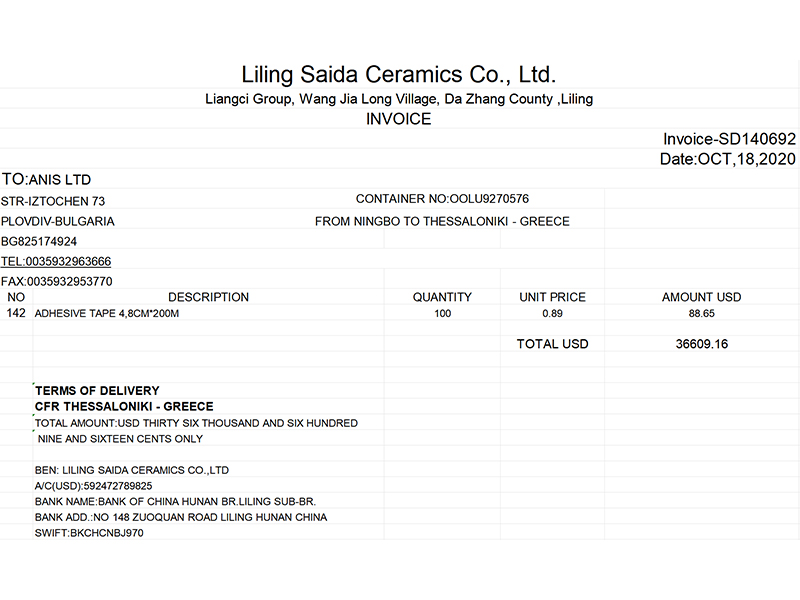
The price per mug is just the starting point. I always tell my clients to think about the "total landed cost." This is the real cost to get the product from my factory door to your warehouse door. A common mistake buyers make is to compare two suppliers based only on the unit price. Let me break down the other costs you must consider, especially for a custom order. If you want a unique mug shape that no one else has, we need to create a production mold. That’s a one-time fee. Then, you'll need a physical sample to approve. After you approve it, we might need to send it to a lab for testing. This is critical. For example, selling in California requires Prop 65 testing for certain chemicals. Selling in Europe requires different tests. These are not optional—they are required by law, and they have costs. A professional factory will be transparent about all of this from the beginning.
Common Cost Components in a Mug Order
| Cost Component | Description | Why It's Important |
|---|---|---|
| Price Per Mug | The base manufacturing cost for each mug. | This is just the beginning of your total cost. |
| Mold Fee | A one-time charge to create a mold for a custom shape. | Only for unique designs. Not needed for stock shapes. |
| Sample Costs | Fee to produce and ship pre-production samples for approval. | You must see and hold a real sample before mass production. |
| Lab Testing Fees | Costs for safety tests like FDA, Prop 65, or LFGB. | These are legally required to sell in your market. |
| Shipping & Logistics | Includes ocean freight, insurance, customs, and duties. | This varies a lot depending on the shipping terms you choose. |
How Do You Make Sure Your Mugs Are Safe and Legal to Sell?
Selling a product that doesn't meet safety standards is a business owner's worst nightmare. It can lead to your shipment being held at customs, potential lawsuits, and a damaged brand.
You, the importer, are ultimately responsible for ensuring your products are compliant. You need a factory partner who understands regulations like FDA and Prop 65 and can help you navigate testing and certification.
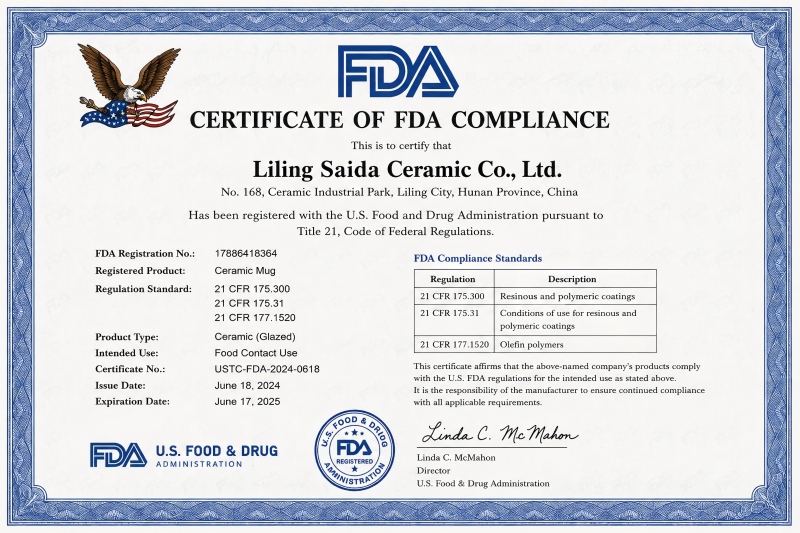
While we, the factory, are experts in manufacturing, you are the expert in your market. And you are legally responsible for what you sell. That's why we see compliance as a partnership. When a client from the U.S. contacts us, one of my first questions is, "Do you sell in California?" because the rules for Proposition 65 are very strict. For my clients in Germany, we talk about LFGB standards. Each market is different. A good factory knows this and will work with you. We can provide our existing test reports for the materials we use, or we can arrange for your specific product to be tested by a certified third-party lab like SGS, TUV, or Intertek. A factory that says "don't worry about it" is a huge red flag. You need to worry about it, and you need a partner who helps you solve it.
Shipping Terms Explained Simply
Another key part of the process is deciding on shipping terms, or Incoterms. This sounds technical, but it’s just about who is responsible for the shipment at each stage. The two most common are:
-
FOB (Free On Board): This is the most common term. We are responsible for producing the mugs and getting them to the port in China (like Shanghai or Shenzhen). From that point on, you or your freight forwarder take over. You handle the ocean shipping, insurance, and customs clearance in your country. This gives you more control over your shipping costs.
-
DDP (Delivered Duty Paid): This is the easiest option for you. We handle everything—production, shipping, insurance, and even paying the customs duties and taxes. The mugs arrive at your warehouse, and you don't have to deal with any logistics. It's less work for you, but the cost is bundled into our price, so it might seem higher.
What Happens During Production and How Do You Ensure Quality?
You've approved the price and placed the order. But now you wait for weeks, feeling nervous. Will the final shipment of 5,000 mugs look as good as the one sample you approved?
A great production process is built on clear checkpoints. You must approve a physical Pre-Production Sample (PPS) before mass production begins. You should also be able to get updates and arrange a final inspection before shipment.
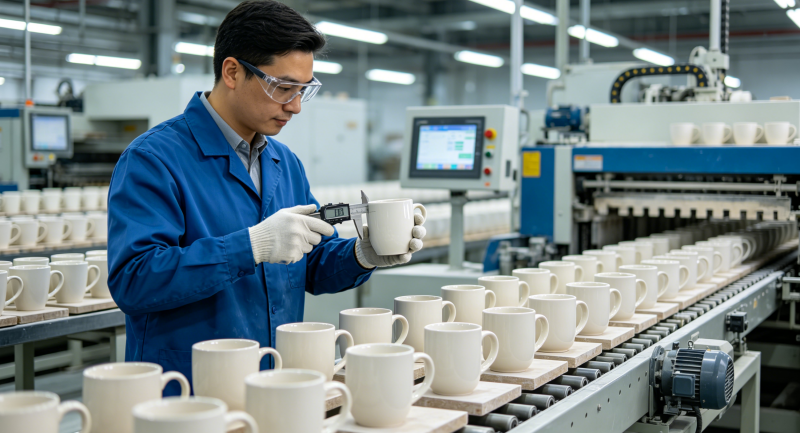
Transparency is key to reducing anxiety. Let me walk you through how a professional production run should feel for a buyer. After all the details are confirmed, the first thing we do is create a "Pre-Production Sample" (PPS). This isn't just a quick prototype. This is a real, finished mug made using the exact materials and processes that will be used for your full order. We ship this to you. You get to hold it, check the weight, test it in a microwave and dishwasher, and make sure the color is perfect. Nothing moves forward until you give your final approval on this PPS. Once you say "go," we start mass production. During this time, our own internal quality teams are checking the mugs at every stage.
Your Role in Quality Control
Even with a great factory, you still have a role to play.
-
Be Specific: Provide very clear artwork files, Pantone color codes, and specifications. The more detail you give us, the better we can match your vision.
-
The Final Inspection: Before the container is loaded, you have the right to inspect the goods. Many of our clients hire a third-party inspection company to come to our factory. They will pull a random sample of mugs from the finished order and check them against your quality standards. We welcome this! A factory that is confident in its quality will never resist an inspection. It gives you peace of mind and ensures that you get exactly what you paid for.
Conclusion
Importing ceramic mugs from China is really about finding a strategic partner. Focus on total cost, clear communication, and safety compliance to build a successful and profitable business relationship.