Choosing the wrong factory is a nightmare. This mistake can lead to costly delays, poor quality, and lost revenue. You need a partner who aligns with your business goals.
To properly evaluate a ceramic mug factory, you must assess their total cost of risk, not just the unit price. Verify their real practices beyond certifications, test their communication quality, and match their specific capabilities, like being a skilled porcelain mug manufacturer, to your unique business model.
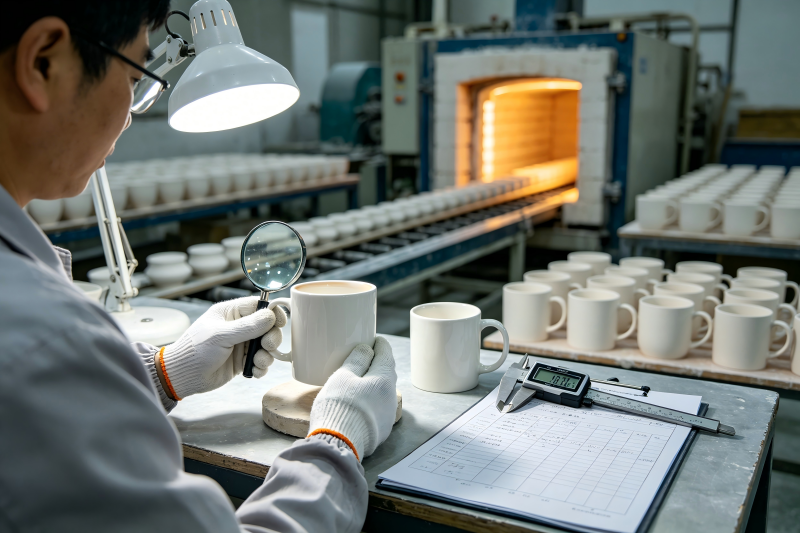
Choosing a supplier can feel like a huge gamble, especially when you are thousands of miles away. I have worked in ceramic mug manufacturing for over 15 years, helping wholesalers, retailers, promotional companies, and supermarket buyers source millions of ceramic mugs worldwide. During this time, I've participated in factory audits, quality inspections, OEM development, and export projects across Europe and North America., and I’ve seen countless buyers navigate this process. The most successful importers I know don't look for the "cheapest" coffee mug factory. They look for the right partner. They understand that a good evaluation is about managing risk, not just comparing prices. Let me show you how experienced buyers assess a factory to build a reliable, long-term partnership.
Is the Lowest Unit Price From a Factory Truly the Cheapest Option?
Tempted by a very low price? This often hides costs in delays, poor quality, and communication friction. Your total cost could end up being much higher than you planned.
The lowest price is rarely the cheapest. The true cost includes risks like production delays, quality defects requiring remakes, and communication problems. A slightly more expensive but reliable bulk mug manufacturer often provides a lower total cost and greater peace of mind.
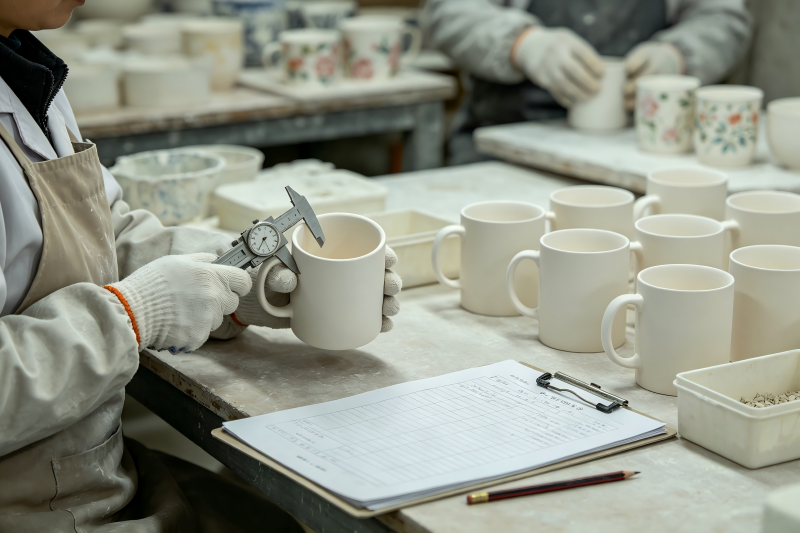
A common question we get from first-time buyers is about price. They see a low unit price from a supplier and think they've found a great deal. But what experienced importers always check is the "Total Cost of Risk." The number on the price list is just the beginning. The real cost includes all the potential problems that can arise. For example, a factory might offer a low price because they use cheaper, less stable raw materials or have fewer quality control inspectors. This saves them money, but it puts your order at risk. If a batch of mugs has a high defect rate, you are the one who pays for it in lost sales, remakes, and damage to your brand's reputation. A reliable ceramic cup manufacturer invests in good processes and people, which may be reflected in a slightly higher price.
Here's how to think about it:
| Factor | "Cheapest" Factory | Reliable Partner Factory |
|---|---|---|
| Unit Price | $1.00 | $1.20 |
| Defect Rate | 5-10% | <1% |
| Communication | Slow, unresponsive | Proactive, clear |
| Hidden Cost | Delays, remakes, brand damage | Predictable delivery, stable quality |
| Total Cost | Potentially >$1.50/unit | ~$1.20/unit |
Are Certifications like ISO9001 and BSCI a Guarantee of a Good Supplier?
You see ISO9001 and BSCI on a supplier's website and feel safe. But these certificates don't guarantee quality or smooth production. They are just a starting point for your evaluation.
Certifications like ISO9001 and BSCI are important but not a complete guarantee. They show a ceramic mug factory has documented systems for quality and social compliance. But you must still verify their actual day-to-day practices and problem-solving skills.
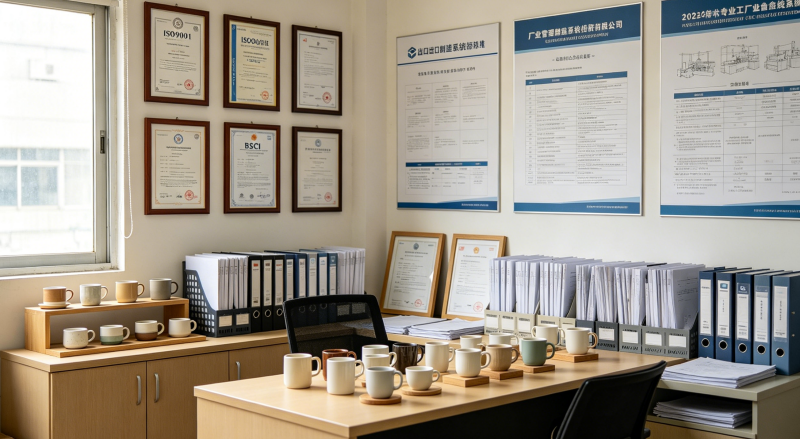
Certificates look impressive, but they don't tell the whole story. As a factory with both ISO9001 and BSCI certifications, I can tell you what they really mean. ISO9001 proves that a factory has documented its processes. It means we have a written procedure for everything from handling raw materials to final inspection. It shows we are capable of being systematic. However, it doesn't guarantee that every employee follows the procedure perfectly every single day, nor does it define what "good quality" looks like aesthetically. BSCI shows that we have passed a social audit, ensuring fair labor practices. This is crucial for ethical sourcing. But again, it's a snapshot in time. The real question is whether the factory lives these principles daily. Don't just accept the certificate. Ask questions to see if the systems are truly alive.
How to Verify a Factory's Real Practices
- For ISO9001: Instead of asking, "Are you ISO9001 certified?" ask, "Can you share a recent example of a non-conformity report and the corrective actions you took? How did you trace the problem to its root cause?" This shows if they use their system to actually solve problems.
- For BSCI: Instead of asking, "Are you BSCI audited?" ask, "How do you handle worker grievances, and what training do you provide for new staff on health and safety?"
A good ceramic mug supplier will be able to answer these questions easily. Vague answers are a red flag.
How Can a Factory's Emails Predict Future Production Problems?
Getting slow or vague answers from a potential supplier? This is not just annoying; it is a major red flag. Their communication habits now predict how they will handle problems later.
A factory's communication quality is a strong indicator of its production quality. A responsive, clear, and proactive ceramic coffee mug manufacturer is more likely to manage your order professionally. Vague answers and slow replies are warning signs of future headaches.

I have seen this hundreds of times. The way a sales representative communicates with you during the inquiry phase is a direct reflection of the factory's internal culture. If your contact is clear, asks good questions, and responds in a timely manner, it suggests the company values clarity and efficiency. If they are slow, give one-word answers, or seem to avoid difficult questions, imagine how they will communicate when there's a real production problem. A common mistake is to prefer a factory that says "yes" to everything. A quick "yes" can mean they haven't checked with the production team, or they don't understand the risks. A better partner will say, "Yes, we can do that, but let's confirm the details of the glaze to ensure it's food-safe for your market."
Communication Red Flags vs. Green Flags
| Red Flag Response 🚩 | Green Flag Response ✅ | Why It Matters |
|---|---|---|
| "Yes, we can do it." | "That's an interesting design. To get the colors right, can you provide the Pantone codes? We need to run a test sample." | Shows they are thinking ahead to production challenges and care about the final result. |
| "It's a problem with your design file." | "We noticed the logo is a low-resolution file. To ensure a sharp print, could you provide a vector file like .AI or .EPS?" | They identify a problem and offer a clear solution, acting as a partner, not an adversary. |
| (One week of silence) | "We are checking with our engineers on the durability of that handle shape. We will have an answer for you in 48 hours." | They are proactive, transparent about their process, and manage your expectations. |
How Do You Match a Factory's Strengths to Your Specific Business Needs?
You found a huge, low-cost factory. But are they the right fit for your high-end online brand? A factory's specialty must align with your business model to avoid disaster.
Not all ceramic mug factories are the same. A factory great for large, low-cost promotional orders may not be the right custom mug manufacturer for a boutique e-commerce brand needing intricate designs. Match the factory's core capabilities to your needs.
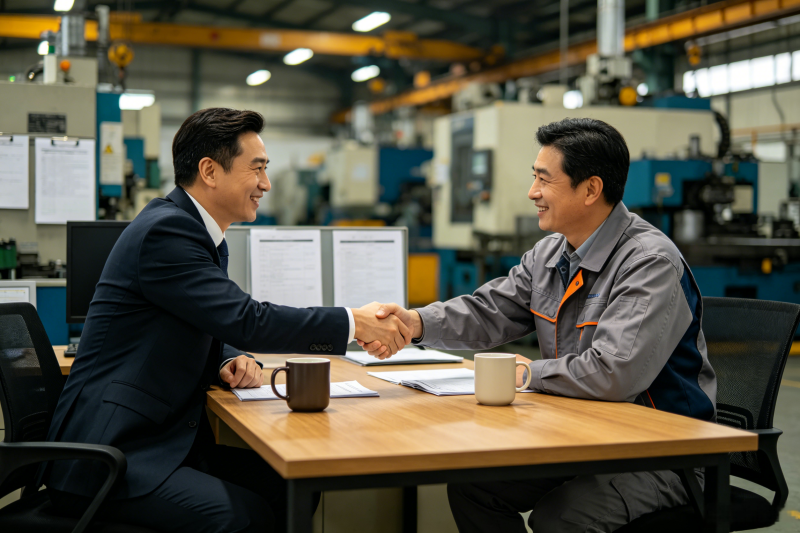
One of the biggest mistakes I see is buyers assuming every ceramic mug manufacturer can do everything well. A factory is a complex system of machines, people, and processes optimized for a specific type of production. A factory that excels at producing 500,000 simple, one-color logo mugs for a promotional campaign has a completely different setup than a factory that produces 5,000 high-end mugs with complex reactive glazes and custom gift boxes for an e-commerce brand. A stoneware mug manufacturer has different expertise and equipment than a fine porcelain mug manufacturer. Trying to force a factory to work outside its specialty is a recipe for delays, quality issues, and frustration for everyone. Before you even ask for a price, you should try to understand the factory's core business.
Aligning Factory Capabilities with Your Business Model
| Your Business Model | Key Factory Capabilities to Verify | Ask This Question... |
|---|---|---|
| E-commerce Brand | Intricate decal application, unique glaze effects, custom packaging expertise, stable quality. | "Can you show me examples of complex, multi-color decals you have produced? What are your options for secure, retail-ready packaging?" |
| Wholesaler/Distributor | High-volume capacity, consistent molding and color, efficient logistics for bulk shipping. | "What is your maximum monthly capacity for this mug shape? How do you ensure color consistency across different production batches?" |
| Promotional Products | Fast turnaround for simple logos, large stock of standard shapes, low unit cost. | "What is your standard lead time for a 10,000-piece order with a one-color logo? Do you keep blank stock on hand?" |
Conclusion
Evaluating a ceramic mug supplier means assessing total risk, not just price. Look beyond certificates, test communication, and match factory capabilities to your business for a successful, long-term partnership.
Looking for a Reliable Ceramic Mug Manufacturer?
At Saida Ceramics, we have over 15 years of experience manufacturing ceramic mugs for supermarkets, wholesalers, promotional companies, and retail brands worldwide.
✔ OEM & ODM
✔ FDA & LFGB Compliant
✔ Low MOQ
✔ Factory Direct Pricing
✔ Fast Sampling
✔ Worldwide Export
👉 Contact us today to request free samples or receive a quotation within 24 hours.