Struggling to get a straight answer on mug pricing? This uncertainty makes budgeting difficult and risky. I'll show you exactly what details you need to provide to get a firm, reliable quote.
The cost to manufacture a ceramic mug is not a single number. It depends entirely on your choices for material, size, shape, decoration, and packaging. To get an accurate price, you must provide a detailed specification to the manufacturer, moving beyond a simple price inquiry.
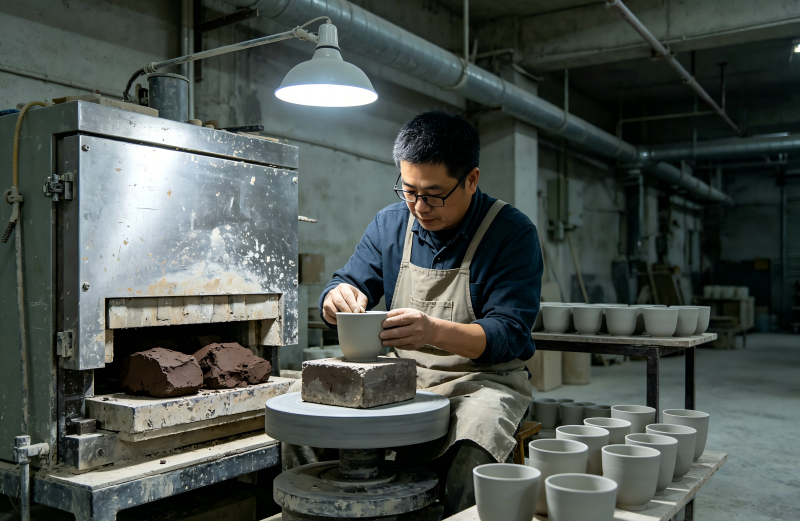
As a manufacturer with 15 years of export experience, the most common question we get is, "What's your price for a standard mug?" The truth is, there's no such thing as a "standard mug." Every client, from large supermarkets to promotional wholesalers, has different needs. The price for one is never the price for another.
Instead of asking for a price, the best buyers provide a clear set of instructions. This article will walk you through the key factors we use to build your quote. By the end, you'll know exactly how to define your project to get the best possible price for your specific needs. Let's start building your perfect mug.
How do material and shape affect the mug's price?
Choosing between stoneware and porcelain can be confusing. Making the wrong choice can lead to a product that is too expensive for your market or too low-quality for your customers.
The material, like stoneware or porcelain, is a primary cost driver. Stoneware is often more budget-friendly, while porcelain offers higher durability and a premium feel. The mug's size and shape also matter, as larger or more complex designs require more material and specialized labor, increasing the price.
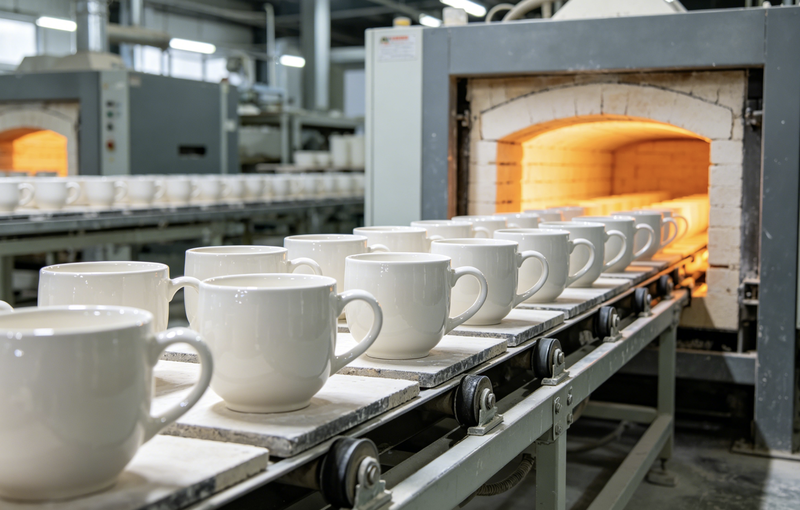
In our factory, the first things we look at are the material and the physical design of the mug. These choices set the foundation for the entire cost structure. A simple change here can have a big impact on the final unit price.
Material Grades and Their Impact
Not all ceramics are created equal. The type of clay you choose affects the look, feel, durability, and cost. For our B2B clients, the choice usually comes down to a balance between budget and perceived quality.
| Material Type | Typical Cost | Key Characteristics | Best For |
|---|---|---|---|
| Stoneware | Low | Opaque, thick, rustic feel. Good for solid colors. | Cost-sensitive projects, cafes, promotional items. |
| New Bone China | Medium | Good translucency, whiteness, and durability. | A balance of quality and price; great for retail. |
| Porcelain | High | Very durable, chip-resistant, bright white color. | Premium retail, hospitality, corporate gifts. |
We often guide supermarket clients toward New Bone China because it hits a sweet spot. It feels more premium than stoneware but is more affordable than high-grade porcelain.
Shape, Size, and Molds
The shape also plays a huge role. We have hundreds of existing molds for standard shapes and sizes (e.g., 11oz C-handle mugs). Using an existing mold is free. If you need a completely unique, custom shape, we have to create a new mold, which adds a one-time fee to your first order. Larger mugs naturally cost more because they use more raw material and take up more space in the kiln.
How much does customizing a mug with a logo really add to the cost?
You want a beautiful custom design on your mug but are worried about the budget. Hidden costs in complex decorations can quickly eat into your profit margins if you're not careful.
The cost of customization depends on the printing method, the number of colors, and the size of the design. A simple, one-color printed logo is the most affordable option. A large, multi-color decal that wraps around the entire mug will be more expensive due to higher material and labor costs.
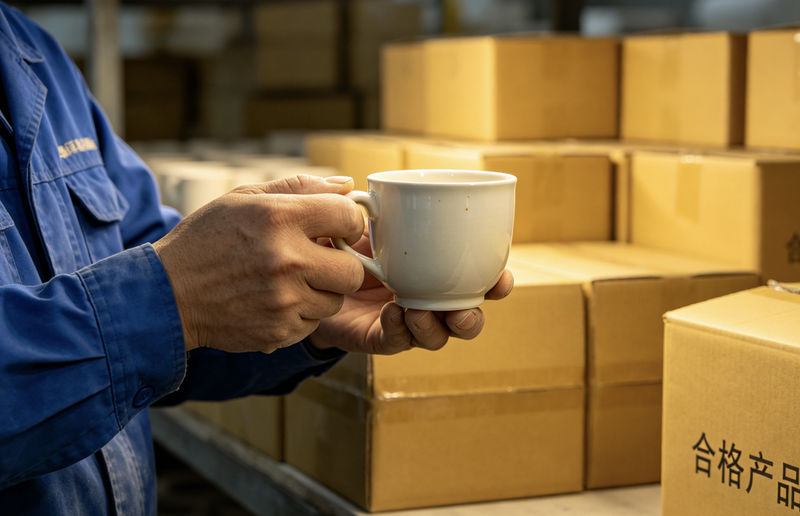
Once the mug's body is formed, the next step is decoration. This is where your brand comes to life, but it's also a place where costs can vary widely. A common mistake we see is a buyer requesting a "full-color logo" without specifying the size or method. The difference between a small logo and a full-wrap photo print is significant.
Common Decoration Methods and Costs
The technology used to apply your design directly influences the final price. Here are the most common methods we use for our wholesale and retail customers.
| Decoration Method | Cost Factor | Color Capability | Best Use Case |
|---|---|---|---|
| Pad Printing | Low | 1-2 solid colors | Simple logos, text, high-volume promotional orders. |
| Decal Printing | Medium-High | Multi-color, complex graphics | Retail products, detailed branding, full-wrap designs. |
| Sublimation | Medium | Full-color, photographic images | Small to medium orders, personalized mugs with photos. |
In our experience, most large-scale orders for supermarkets rely on decal printing. Why? It offers the best balance for complex, multi-color designs that need to be durable. The cost of a decal is based on its size and the number of colors. Each color requires a separate screen in the printing process, which adds to the setup cost. The decals are then applied by hand to each mug before firing. This manual labor is a key reason a full-wrap decal costs more than a small logo placed on one side. It simply takes more time and skill to apply a large decal perfectly.
Does packaging really make a big difference in the total cost?
Many buyers focus heavily on the mug's price and treat packaging as an afterthought. This is a mistake. Damaged goods arriving at your warehouse can wipe out your profit on an entire shipment.
Yes, packaging is a critical and often underestimated cost. It impacts your unit price and total landed cost. Basic bulk packaging is cheapest, but individual retail boxes add cost. The key is balancing presentation with durability to prevent breakage during international shipping.
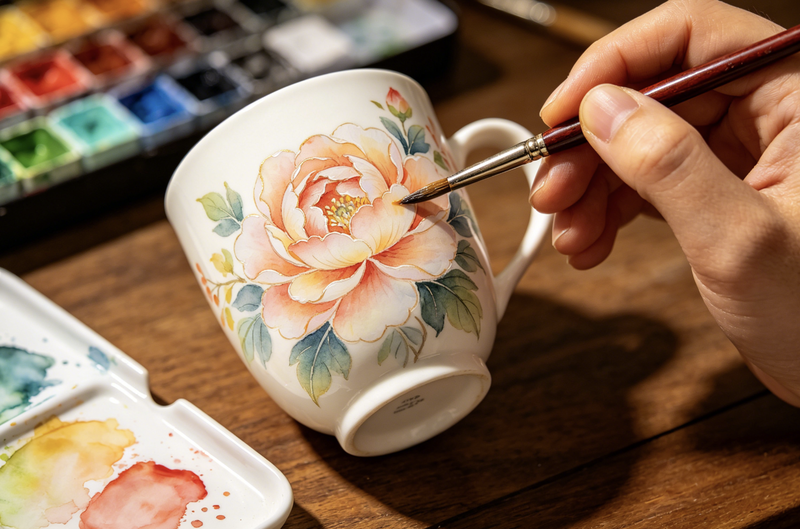
After 15 years of shipping mugs all over the world, I can tell you that packaging is just as important as the mug itself. A cheap mug that arrives broken is worthless. The right packaging protects your investment and ensures your products arrive safely.
From Bulk to Retail-Ready
Your choice of packaging depends on how you plan to sell the mugs.
- Bulk Packaging: This is the lowest-cost option. Mugs are placed in large master cartons with cardboard dividers separating each one. This is great for wholesalers who will repackage the mugs themselves or for food service clients.
- Individual White/Brown Box: Each mug gets its own plain cardboard box. This adds a small cost per unit but offers better protection and is easier for distribution. It’s a popular choice for online sellers and wholesalers.
- Custom Printed Retail Box: This is a full-color box with your branding, product info, and barcodes, ready for a store shelf. It's the most expensive option but essential for most retail environments. The cost depends on the box size, print quality, and any special finishes like a window or gloss coating.
We always advise our clients to think about the entire journey. A container of mugs traveling from our factory in Liling, China, to a warehouse in North America or Europe will be handled many times. We often perform drop tests on our clients' chosen packaging to simulate rough handling and ensure it provides enough protection. Spending an extra $0.10 on a stronger box is a smart investment to prevent thousands of dollars in damages.
Conclusion
Getting the right price for a mug isn't about a secret number. It's about giving your manufacturer a clear specification that balances cost, quality, and your specific market's needs.