Searching for the "best" Chinese mug manufacturer feels impossible. You face countless options, and it's hard to know who to trust. It's a path that often leads to frustration.
The "best" ceramic mug manufacturer is the one that best fits your specific business needs. Instead of looking for a single top company, identify whether you need a large-scale exporter, a high-end brand factory, or a specialized custom workshop based on your volume and quality requirements.
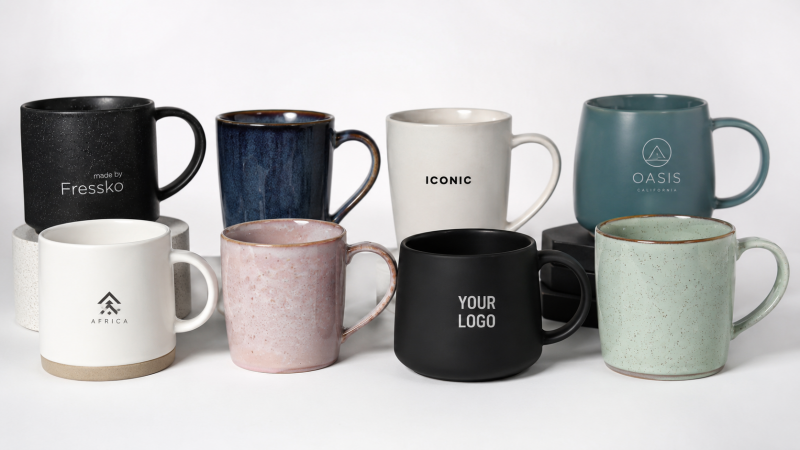
After 15 years of exporting ceramic mugs from our base in Liling, Hunan, I've spoken with hundreds of international buyers. A common question we get is, "Are you the best factory?" My answer is always the same: it depends on what you are looking for. The search for a single "best" supplier is a trap. It forces you to compare factories on the wrong things. The real starting point is to understand your own needs first. This article will help you understand the different types of manufacturers so you can find the right partner for your business.
Are You Choosing the Right Type of Mug Factory?
You might be comparing two factories that look similar online. But they likely have very different strengths, leading you to make a poor choice. First, understand the three main factory types.
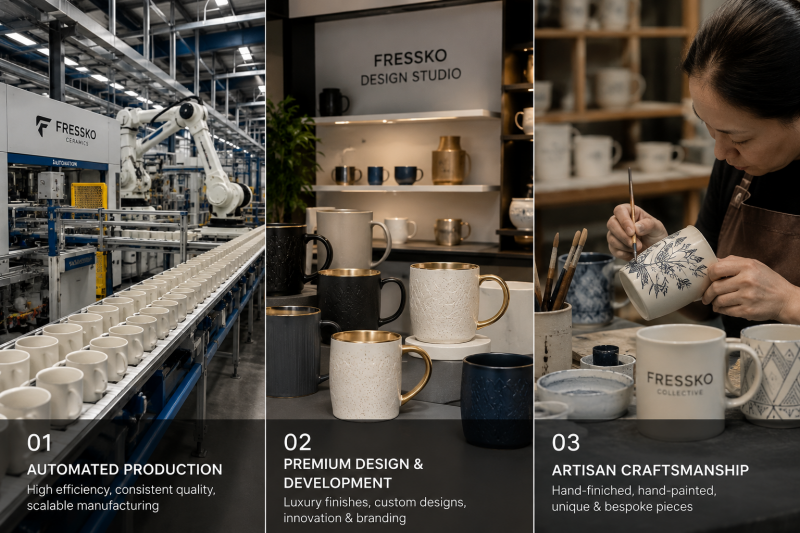
Chinese ceramic mug manufacturers generally fall into three categories. These are large-scale export factories for high volume, high-end brand factories for premium quality, and specialized custom workshops for unique, small-batch designs. Knowing the difference is key to finding the right partner for your needs.
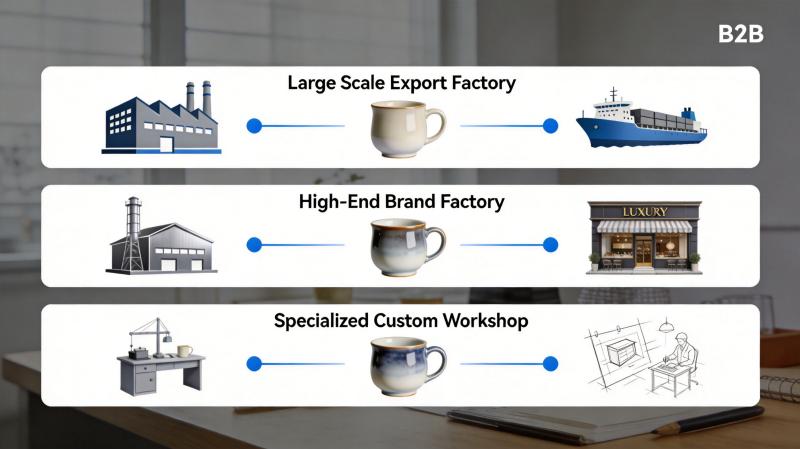
Choosing the right partner begins with understanding the landscape. In my experience, almost all Chinese ceramic factories fit into one of three distinct models. Each one serves a different kind of buyer. Making the wrong choice here is the most common mistake I see importers make. It leads to issues with price, quality, and delivery. Let's break them down.
The Three Main Types of Chinese Mug Manufacturers
| Factory Type | Best For | Key Strengths | Potential Weaknesses |
|---|---|---|---|
| Large-Scale Export Factory | Large Wholesalers, Supermarkets | Volume, Cost-Efficiency, Compliance (BSCI, ISO) | Less focus on niche or artistic designs |
| High-End Brand Factory | Premium Retailers, Brand Collaborations | Superior Quality, Design Innovation, Brand Value | Higher Price Point, Higher MOQs |
| Specialized Custom Workshop | Boutique Shops, Corporate Gifting | Unique Craftsmanship, Low MOQs, Flexibility | Slower Production, Higher Per-Unit Cost |
As a manufacturer based in Liling, Hunan, we fall squarely into the first category: a large-scale export factory. Our operations are built for efficiency and volume. We focus on producing tens of thousands of reliable, consistent-quality mugs for major retailers and wholesalers. This requires strict process controls and certifications like ISO9001 for quality management and BSCI for social compliance. While we can do some customization, our strength isn't in one-off artistic pieces. In contrast, a high-end brand factory might focus on developing its own unique glazes and shapes, selling a finished premium product. A specialized workshop is where you go for true hand-painted details or a small batch of 500 highly specific mugs for a corporate event. They offer flexibility that factories like ours can't.
How Do You Match Your Business Model to the Right Supplier?
You found a factory with an impressive catalog and a good price. But if their production model doesn't align with your business, you're heading for trouble. Match your needs to their specialty.
Your business model dictates your ideal factory partner. Large wholesalers and supermarkets should seek large-scale export factories. Boutique brands need specialized custom workshops. Premium retailers require the quality and design focus of high-end brand factories. This alignment is crucial for a successful partnership.
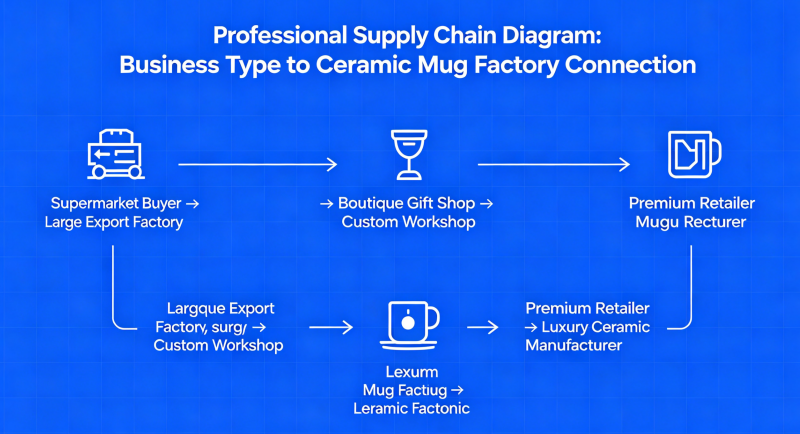
Once you understand the factory types, the next step is to look honestly at your own business. What is your primary goal? Is it to fill the shelves of a national supermarket chain, or to sell a unique, high-margin item in a small boutique? The answer determines who you should be talking to. Don't waste your time getting quotes from a supplier who isn't built to serve you. This is about creating a smooth and reliable supply chain.
Aligning Your Procurement Needs
Here’s a simple guide to help you match your business with the right kind of factory.
| Your Business Model | Primary Need | Recommended Factory Type | Why It's a Match |
|---|---|---|---|
| Large Wholesaler / Supermarket | High Volume, Reliability, Compliance, Low Cost-per-Unit | Large-Scale Export Factory | These factories are built for mass production. They have the certifications (BSCI, ISO9001) required by large retailers and can deliver consistent quality on large orders. Their scale provides cost advantages. |
| Boutique Brand / Corporate Gifting | Customization, Unique Design, Low Minimum Order Quantity (MOQ) | Specialized Custom Workshop | These smaller operations excel at complex, specific requests and are willing to work with smaller order quantities. They are perfect for creating a truly unique product that stands out. |
| Premium Retailer | Superior Quality, Design Leadership, Brand Story | High-End Brand Factory | These factories invest heavily in R&D and design. Partnering with them gives you access to premium materials, innovative glazes, and a product that carries a higher perceived value. |
For our typical customers—large wholesalers and supermarket chains in Europe, North America, and South America—reliability and compliance are non-negotiable. They need to know that 100,000 mugs will all meet quality standards and that the factory adheres to social compliance laws. This is why they come to us in Liling. Our BSCI certification isn't just a piece of paper; it's their assurance that our factory meets the social standards their customers expect. Our ISO9001 certification proves we have a robust quality management system to handle their volume without sacrificing consistency. A specialized workshop, no matter how skilled, simply can't provide that level of scaled-up assurance.
What Key Factors Should You Use to Vet a Ceramic Mug Supplier?
You have a shortlist of potential suppliers in the right category. How do you separate the good from the great? You must go beyond the website and ask the right questions.
To properly vet a supplier, verify their export qualifications like BSCI and ISO9001. Understand their production region's specialty. Most importantly, test their expertise with detailed questions about their materials, production process, and limitations. Vague answers are a major red flag.
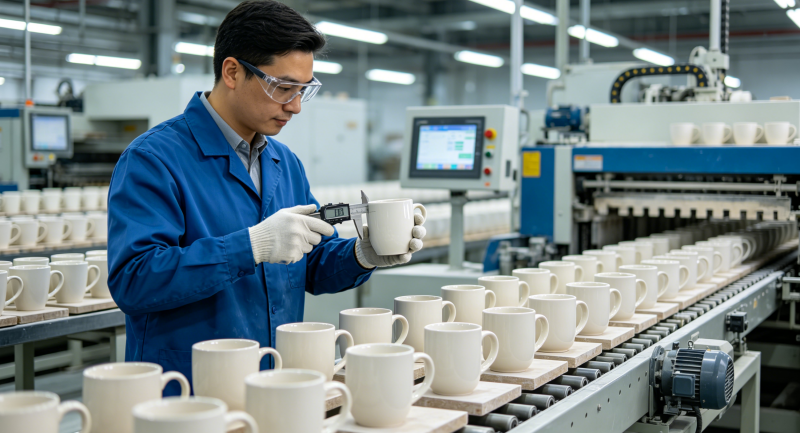
After you've identified the right type of factory, it's time to dig deeper into your shortlist. A professional website or a quick response to an email doesn't tell you much. You need to verify their capabilities and expertise. Over the years, I've seen buyers get burned because they didn't do this homework. A truly professional manufacturer will welcome detailed questions and be transparent about their processes. Here are the key areas to focus on.
Verifying Essential Certifications
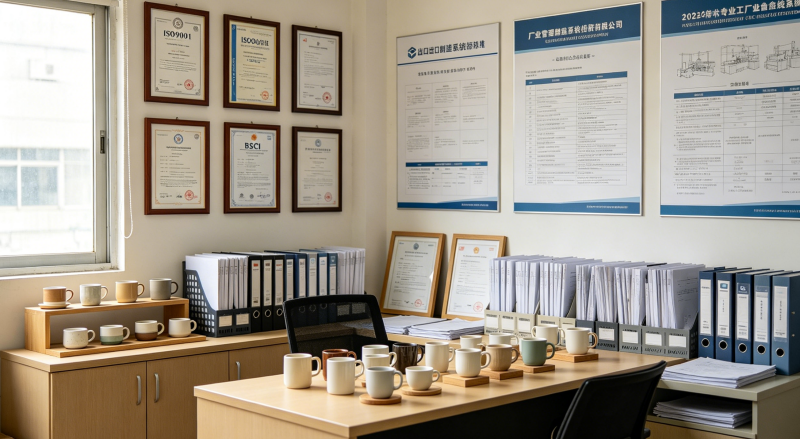
For any large-scale buyer, certifications are your first line of risk management. Don't just ask if they have them; ask for the reports.
- BSCI (Business Social Compliance Initiative): For customers in Europe, this is often a deal-breaker. It proves the factory treats its workers fairly and complies with social standards. It protects your brand from being associated with unethical labor practices.
- ISO 9001: This demonstrates a formal quality management system. It means the factory has standardized processes for ensuring product quality, which is critical for large, repeatable orders. It shows they are serious about consistency.
Understanding Production Regions
China is a huge country, and different regions specialize in different types of ceramics. Knowing this helps you find a true expert.
- Liling (Hunan): This is my home city. We are famous for stoneware and durable, daily-use porcelain. It's a hub for large-scale export manufacturing.
- Dehua (Fujian): Known for its delicate, white porcelain ("Blanc de Chine"). A great place to source elegant, high-quality white ceramic items.
- Jingdezhen (Jiangxi): The historical capital of porcelain. Today, it's a center for artistic and high-craft ceramics, often produced in smaller studios.
Asking the Right Questions
The way a supplier answers your questions reveals their expertise. Be specific.
- Weak Question: "Can you make this mug?"
- Strong Question: "For this mug shape, what is the maximum decal size you can apply without distortion? What are the potential challenges with a reactive glaze on this interior curve?"
A professional manufacturer will give you a detailed, confident answer. They might even suggest improvements. An inexperienced or dishonest supplier will give vague answers like, "Yes, no problem," without addressing the technical details. This is a clear sign to be cautious.
Conclusion
 Looking for a reliable ceramic mug manufacturer in China? Contact our team to discuss your project requirements and receive free samples.
Finding the right manufacturer isn't about searching for "the best." It's about clearly defining your needs and finding the partner whose capabilities are a perfect match for your business model.