Are you importing ceramic mugs and worried about FDA rules? A single mistake can be a disaster for your brand. This article explains how to avoid that.
The safest ceramic drinkware does not leach harmful levels of lead or cadmium. This is achieved not with a single certificate, but through a supplier's consistent process: using safe materials, ensuring correct firing temperatures, and maintaining a robust quality control system verified by recent, third-party test reports.
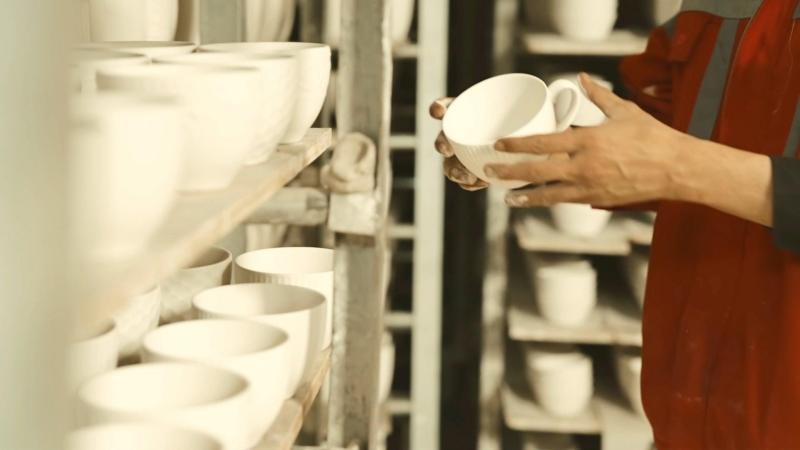
Over my 15 years in the ceramic export business, buyers always ask me about FDA compliance. It’s a very important topic. But many buyers approach it in a way that puts their business at risk. They ask a simple question, hope for a simple answer, and move on. This is a mistake. The truth is, ensuring your drinkware is safe for the US market is a deeper process.
It requires you to look beyond a simple "yes" and investigate your supplier's actual methods. It's about understanding how they manage risk so that you can protect your own business. This guide will walk you through the questions I wish more buyers would ask. It's the knowledge we've gained from shipping millions of mugs to major retailers in the US and around the world.
Why Is "Are You FDA Compliant?" The Wrong Question?
You ask a supplier for a simple "yes" to tick a compliance box. But this simple confirmation doesn't actually protect you. It's an easy answer that avoids a difficult truth.
Asking "Are you compliant?" invites a simple "yes" without any evidence. The right questions are, "How do you ensure compliance?" and "Can you show me recent test reports for the US market?" This shifts the conversation from a supplier's claim to verifiable proof.

When a buyer asks, "Are your mugs FDA compliant?", any supplier, good or bad, will say "yes." It's the easiest answer. But this answer tells you nothing. From our experience exporting to major US retailers, the simple "yes" is the beginning of the conversation, not the end. The real work is in understanding what is behind that answer. A supplier might have a test report from three years ago for a completely different product. That doesn't mean the mugs you order today will be compliant. Production materials change. Processes can have errors. Compliance is not a permanent status; it is a result of consistent, daily effort.
Instead of asking a question that has only one answer, you should ask questions that require a detailed explanation. This is how you separate experienced, reliable partners from factories just looking for a quick sale.
| The Wrong Question (Leads to Risk) | The Right Questions (Lead to Confidence) |
|---|---|
| Are you FDA compliant? | How do you ensure your glazes are free of lead and cadmium? |
| Can you send me your FDA certificate? | Can you provide a recent (less than 1 year old) lead and cadmium leach test report from a third-party lab like SGS or TUV? |
| Is this product safe? | What is your process for batch testing during production to ensure consistency? |
Asking better questions shows a supplier you are a serious, knowledgeable buyer. It forces them to be transparent. A good supplier will welcome these questions because they are proud of their quality systems. A supplier who can't answer them is a major red flag.
How Is FDA Compliance A Process, Not Just A Certificate?
You finally get a test report and feel relieved. But that report only represents one mug, from one batch, on one day. How do you trust the thousands of other mugs?
True compliance comes from a consistent manufacturing process. This involves using safe, lead-free materials, firing kilns at stable temperatures, and having a robust quality control system. Certifications like ISO 9001 and BSCI help validate the consistency of this process.
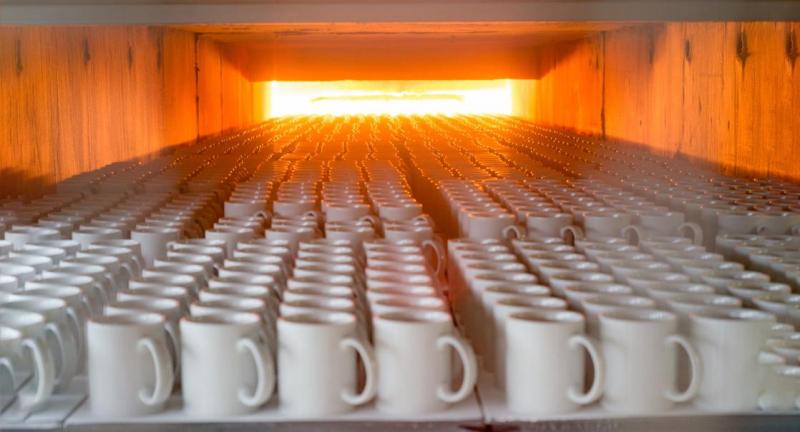
A test report is a snapshot in time. A manufacturing process is a continuous system designed to produce the same, safe result every single day. That's the real key to compliance. In our 15 years of operation, we have learned that you cannot inspect quality into a product at the end; you must build it in from the very beginning. This is how we do it.
Safe Materials Are the Foundation
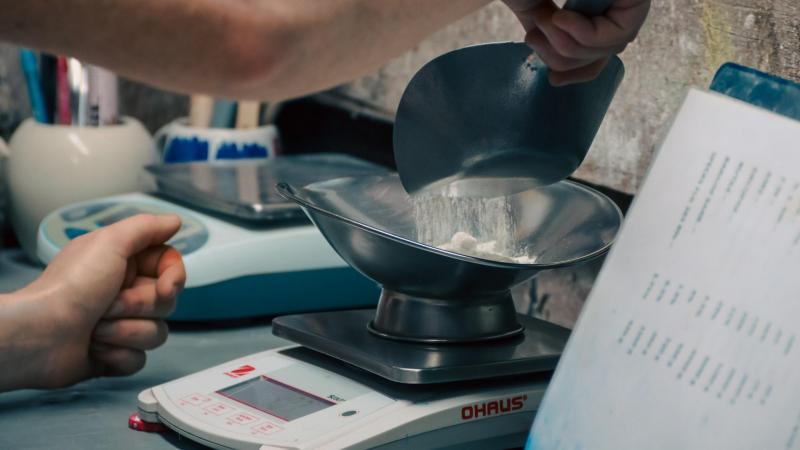
It all starts with the raw materials. The biggest risk for lead and cadmium in ceramics comes from the glaze and any decorative decals. We work closely with our glaze suppliers to ensure they provide us with materials that are certified lead-free and cadmium-free. We don't just take their word for it; we require their own test reports and conduct our own verification. For a buyer, you should ask your supplier where they get their glazes and what their process is for qualifying a new material.
Correct Firing Is Critical
Even a lead-free glaze can become a problem if it's not fired correctly. The firing process in the kiln melts the glaze and fuses it to the ceramic body, making it strong and non-porous. If the temperature is too low or the firing time is too short, the glaze doesn't mature properly. This can make it less durable and more likely to leach chemicals, even if the materials themselves were safe. We use modern, temperature-controlled kilns and have strict protocols to ensure every batch is fired perfectly.
A Quality System Ties It All Together
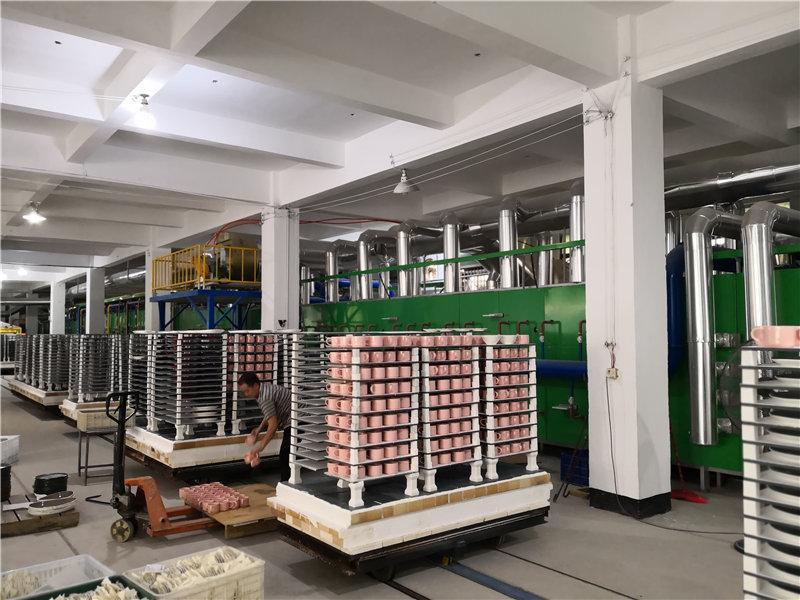
How do you know all these steps are being followed every time? That's the job of a quality management system. This is where our ISO 9001 certification comes into play. It doesn't test the mugs themselves, but it certifies that we have a documented, repeatable, and audited process for everything we do, from sourcing materials to final inspection. It's the system that ensures consistency. We also perform regular batch testing in-house and with third-party labs to constantly verify our process is working. This is the difference between hoping for compliance and engineering it.
What Does Actively Vetting A Supplier For FDA Compliance Look Like?
You are looking at several supplier quotes. They all claim to be great. How do you cut through the noise and find a partner who will truly protect your business?
Stop passively accepting claims and start actively verifying them. Ask for specific, recent lead and cadmium test reports. Inquire about their testing frequency, the labs they use (like SGS or TUV), and their specific experience exporting to your country.
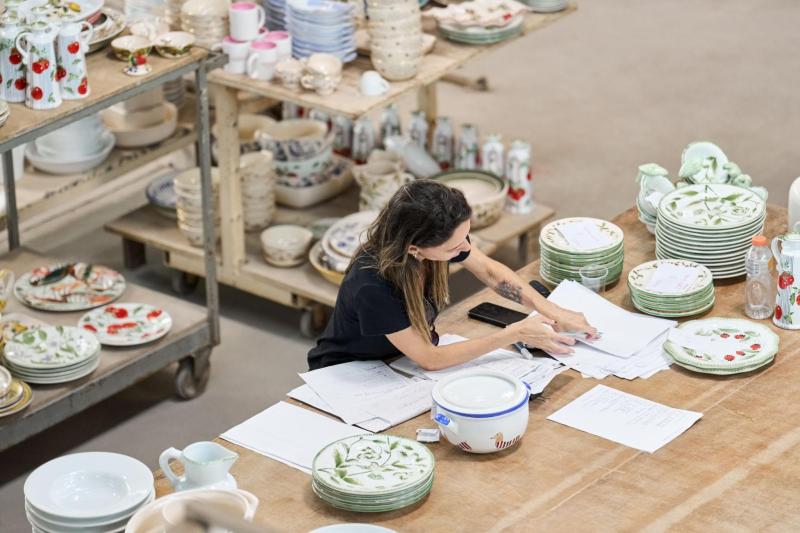
Active vetting means you become an investigator. You are looking for evidence, not promises. The goal is to build a complete picture of the supplier's capabilities and commitment to safety. A few minutes of digging can save you from months of headaches later. Based on the thousands of conversations I've had with buyers, the most successful ones are those who treat supplier selection like hiring a critical employee. They check references and verify every claim. Here is how you can do it.
The Test Report Checklist
Not all test reports are equal. When a supplier sends you a document, don't just file it away. Look at it closely.
- Is it recent? A report from 2018 is ancient history in manufacturing. We make sure our core product tests are updated annually. You should not accept anything older than two years.
- Is it for a similar product? A test for a ceramic plate doesn't guarantee a mug is safe. The shape, glaze, and usage are different. The report should be for ceramic drinkware.
- Is it from a reputable lab? Look for names like SGS, Intertek, TUV, or other internationally recognized labs. A report from an unknown, local lab carries less weight.
- What did it test for? It must specifically test for lead and cadmium leaching, according to methods recognized by the FDA (like the ASTM C738 test method). A report for something else is irrelevant.
Questions to Ask Beyond the Report
The report proves it was done once. You need to know it will be done always.
- "What is your internal quality control process for ensuring compliance on every order?"
- "How often do you perform batch tests during a large production run?"
- "What happens if a batch fails an internal test? What is your corrective action procedure?" An experienced supplier will have clear, confident answers. They have these systems in place. A less experienced supplier might be confused by the questions, which is your answer right there.
Verify Market-Specific Experience
Finally, make sure the supplier has experience with your market. The rules and expectations for the US are different from those for Europe or South America. A supplier who regularly ships to major US retailers understands the C-TPAT security requirements, the labeling laws, and the unforgiving standards of American consumers. We have been sending products to the US for 15 years. This experience is a form of risk reduction for our clients. It means we've already learned the hard lessons and built our processes to meet that specific market's demands.
What's The Real Business Risk Of Ignoring These Details?
You found a supplier who is a few cents cheaper. They seem okay, and you're tempted to save on cost. What's the worst that can happen if you cut a few corners on vetting?
The true risk is not just a failed inspection. It is the complete destruction of your brand's reputation, the crushing legal liability, and the massive disruption to your entire supply chain. Choosing a properly vetted supplier is your main defense against these business-ending catastrophes.

Sometimes buyers focus so much on the cost per unit that they lose sight of the total cost of risk. A few thousand dollars saved on an order can seem insignificant when you face a million-dollar problem. In my career, I have seen importers put their entire business in jeopardy by choosing the wrong partner. It's not just about a shipment getting stopped at the port. The consequences are much bigger and can ripple through your entire organization.
The Damage to Your Brand Reputation
Imagine your product is featured in a news story about lead contamination. The trust you've spent years building with your customers can be wiped out in an instant. A product recall is public and permanent. Even if you fix the problem, consumers will remember. For large wholesalers and retailers, your brand is your most valuable asset. Protecting it should be your number one priority, and that starts with sourcing safe products.
The Financial and Legal Consequences
The direct costs of a recall are enormous. You have to handle reverse logistics, issue refunds or replacements, and pay for the disposal of the faulty goods. Then come the potential fines from regulatory bodies like the FDA. But the biggest threat is often lawsuits. In the US market, liability is a serious concern. A single incident can lead to class-action lawsuits that cost millions and drain your resources for years.
The Disruption to Your Supply Chain
Let's say your container is detained by customs for inspection and fails. Your product is now blocked. The shelves of your retail customers are empty. You have failed to deliver on your promise. This damages your relationships with your own clients. Now you have to scramble to find a new supplier, negotiate a new contract, and wait months for new production and shipping. The initial "savings" from the cheaper supplier are completely erased by the lost sales and the cost of starting over. We don't just see ourselves as a mug manufacturer; we see ourselves as a key link in our customers' supply chain. Our stability, proven by our ISO and BSCI certifications and 15-year track record, is what allows our clients to operate their own businesses with confidence.
Conclusion
True FDA compliance for ceramic drinkware is not about a certificate. It is about choosing a transparent partner with a proven process that protects your brand, your customers, and your business.